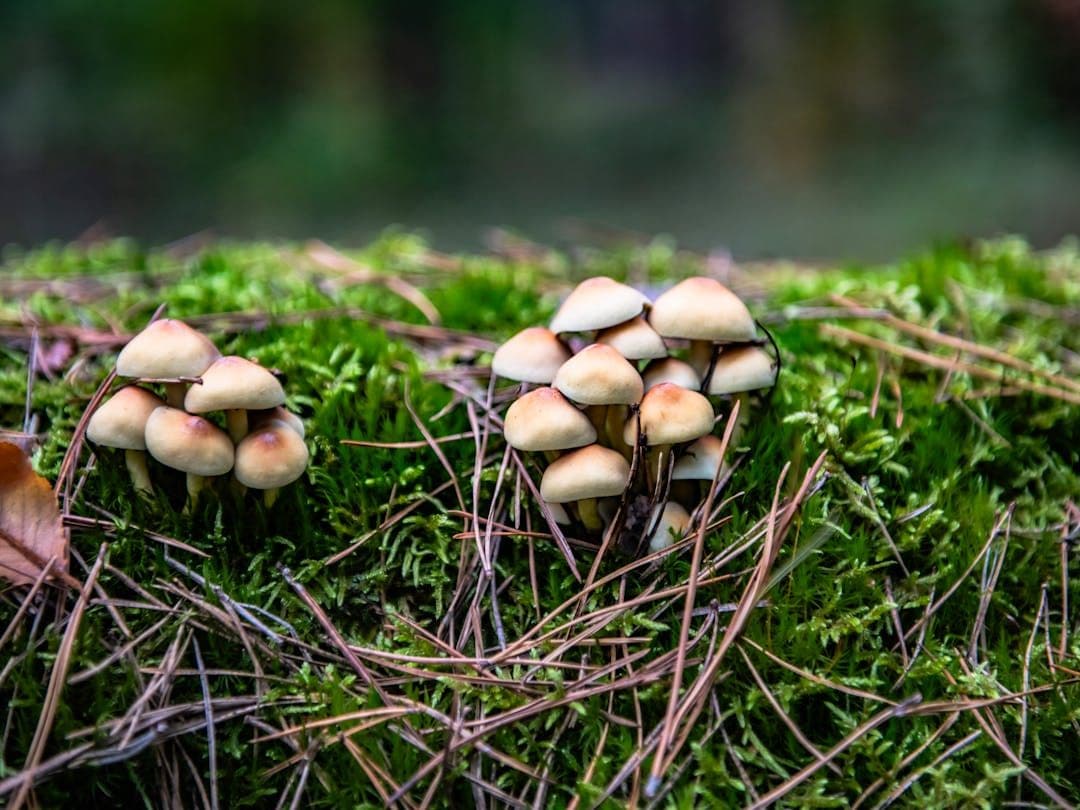
Weed Identification
Identify Any Weed by Photo Now
Botan is an innovative weed identifier that covers thousands of species. It will quickly let you know if that weed in your garden is an innocent seedling or a menacing invasive.


Identify Any Weed by Photo Now
Botan is an innovative weed identifier that covers thousands of species. It will quickly let you know if that weed in your garden is an innocent seedling or a menacing invasive.

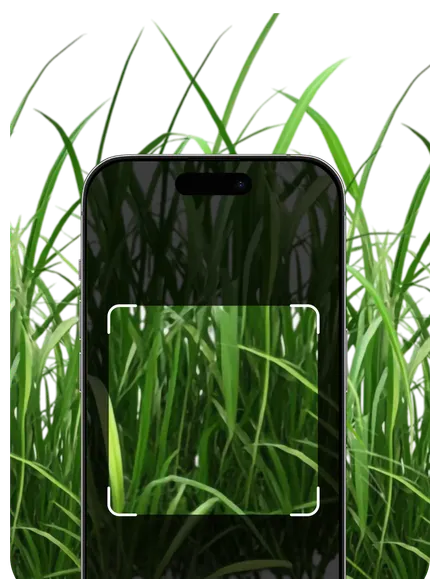

Plant Identifier Online for Free
Use easy-to-see images for the best plant ID results. Try not to take photos from very far away.
 POPULAR
Sensitive Plant
Mimosa pudica
 POPULAR
Small-leaf spiderwort
Tradescantia fluminensis
 POPULAR
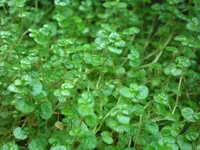
Baby's Tears
Soleirolia soleirolii
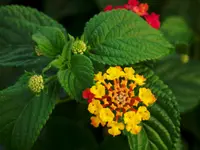
West Indian Lantana
Lantana camara

Santa Barbara daisy
Erigeron karvinskianus
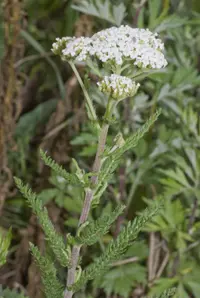
Yarrow
Achillea millefolium
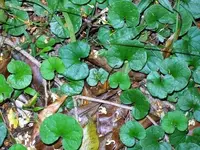
Kidney weed
Dichondra repens
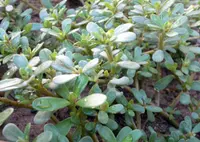
Purslane
Portulaca oleracea
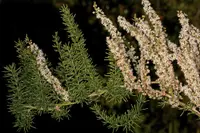
Sprenger's asparagus
Asparagus aethiopicus
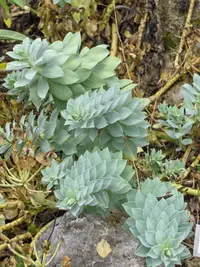
Myrtle spurge
Euphorbia myrsinites
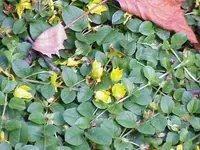
Creeping jenny
Lysimachia nummularia
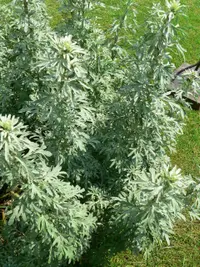
Wormwood
Artemisia absinthium
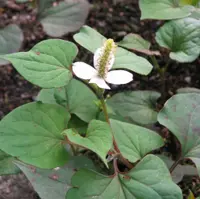
Chameleon plant
Houttuynia cordata
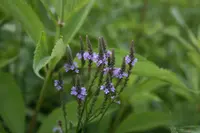
Blue vervain
Verbena hastata
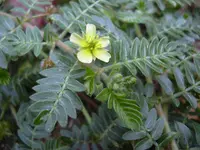
puncturevine
Tribulus terrestris
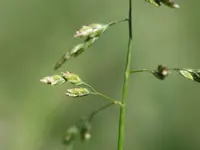
annual bluegrass
Poa annua
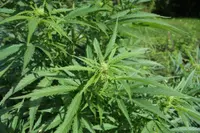
cannabis
Cannabis sativa
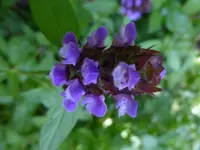
selfheal
Prunella vulgaris
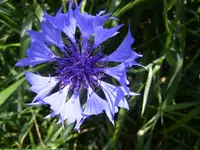
cornflower
Centaurea cyanus
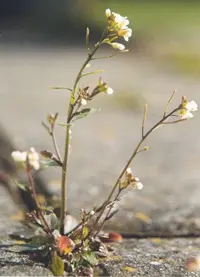
thale cress
Arabidopsis thaliana
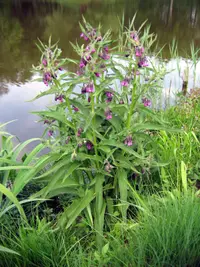
common comfrey
Symphytum officinale
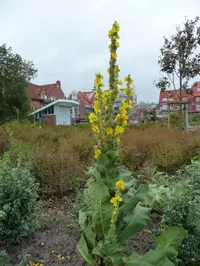
great mullein
Verbascum thapsus
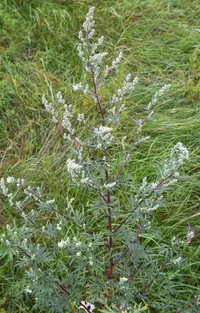
mugwort
Artemisia vulgaris
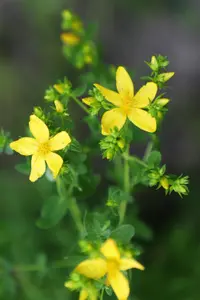
St. John's wort
Hypericum perforatum
Identifying weeds shouldn't mean searching through field guides for an hour. With Botan, you'll get an answer in under 1 minute, and the steps remain the same every time:
Photo tip: To make a weed identification more confident, first take a shot at a distance to capture the entire plant, and then focus on the leaves. Early or late in the day is best, as the sun tends to bleach leaf detail.
Three features matter most in each weed identification guide: leaf shape, growth habit, and stem shape. Check all three together, and you'll get the right answer far more often. Most weeds share one or two features, but not all three. The Botan scanner applies all the cues at once. But knowing them yourself makes recognizing common offenders almost automatic.
Leaves are your best starting point for detection because they stay consistent through the growing season. They don't change much with flowering or age. A young seedling and a full-grown plant of the same species have the same basic outline. That leaves the first thing to check when you're trying to figure out what this weed is in front of you. Here are the most common cases for a leaf shape:
Photo tip: Place a single leaf on your hand or a white background to see the shape. Take the shot from directly overhead, not from an angle, to preserve the shape of the lobes and veins.
If you want to accurately identify this weed growing on your lawn, use the stem shape as your quick second check. This is especially true when two weeds have nearly identical leaves. Roll the stem between your fingers, and you'll usually have your answer in seconds. The most popular stem shapes are:
Photo tip: Make sure the photo is close enough to see the edges of the stem and any hairs or ridges, but keep your phone still so it remains in focus. Use a simple background (such as a piece of paper or your hand) to help the scanner recognize the shape.
Growth habit is a structural clue you can read from across the yard, which makes it handy for scanning a whole bed at once. Some weeds creep across the ground in dense mats, while others stand upright on a single stem. A few climb anything they can reach. Because the growth habit remains consistent throughout the season, this gives you a solid basis to identify weeds even before the flowers appear.
Photo tip: Step back a few feet and capture the entire plant, including how it sits in the soil or wraps around nearby growth. A wider shot shows the spreading pattern that close-ups always miss.
Bright flowers, oddly textured leaves, and aggressive growth patterns are the hallmarks of most invasive plants. The table below pairs each weed with the look and habitat that flag it fastest. Use it to know how to identify weeds before you even open the detector.
What You See | Where It Grows | Common Example |
Yellow button-like flowers; blue-green waxy leaves | Roadsides, open fields | |
Tall stalks topped with pink-purple flower spikes | Wetlands, ditches | |
Broad leaves with reddish stems and bamboo-like joints | River banks, disturbed soil | |
Thorny arching canes with clusters of white-pink blooms | Pastures, woodland edges | |
Heart-shaped leaves on twining vines that smother shrubs | Forest edges, roadsides |
Unlike other weed identifier apps, Botan combines a large reference database with an image recognition model trained on real garden conditions, not staged lab photos. This difference is evident in more challenging recognition conditions, such as partial shade or insect damage. As a result, our app gives a 98%-confident species ID in seconds.
Here's what sets the Botan weed plant identifier apart from competitors:
Whether you're checking a mystery sprout in your flower bed or confirming an invasive species before removal, Botan helps you identify weeds quickly and act with confidence.
Yes, Botan's weed plant identifier recognizes leaf shape, stem structure, and growth habit, all visible long before flowering. Most species are easy to match at the seedling or rosette stage.