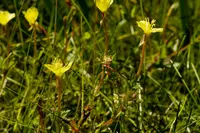
Kidney weed Care (Dichondra repens)

Also known as: kidney weed, Tom Thumb
Kidney weed

About Kidney weed

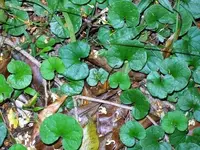
Kidney weed, or Dichondra repens, is a low, creeping perennial often used as a lawn alternative or soft groundcover. It forms dense mats of small, rounded leaves that create a smooth, carpet-like surface.

This species is native to parts of Australia and New Zealand but is also grown in other temperate regions. It stays compact, so it suits garden paths, between pavers, and container edges.

Dichondra repens prefers moderate light, even moisture, and well-drained soil, and can be sensitive to heavy wear or waterlogging. With suitable conditions, it is relatively simple to care for Kidney weed, especially for gardeners who like a neat, low-growing plant.

Main Plant Requirements

Care Difficulty

Easy Care

Light Preference

Full Sun

Water Requirements

Moderate Water

Temperature Preference

Warm Climate

Hardiness Zone

8–11

Soil Texture

Sandy, Loamy, Organic-rich

Soil pH

Acidic (5.5–6.5), Slightly acidic (6.5–7.0)

Soil Drainage

Well-drained

Fertilization

Light (every 4–6 weeks)

Get Personalized Care Plan

Scan your plant to receive care tips personalized for your specific plant

Available on iOS and Android

How to Care for the Kidney weed

Dichondra repens prefers bright, gentle light and tolerates partial shade in most lawns and groundcover plantings.

  • Provide 3–5 hours of morning sun with light afternoon shade; dappled or filtered light under sparse trees suits Kidney weed well.
  • In hot climates, protect from intense afternoon sun to prevent leaf scorching and dry, bare patches, especially on shallow soils.
  • In cooler seasons, slightly more direct sun improves density, but in deep shade plants may thin out and creep less vigorously.

Dichondra repens prefers evenly moist, well-drained soil and reacts quickly to both drought and waterlogging.

  • Water when the top 2–4 cm of soil feels dry; leaves that dull, curl slightly, or lose firmness indicate it is time to water.
  • Use free-draining soil and avoid standing water; yellowing, soft stems or a sour smell suggest overwatering and possible root rot.
  • In hot, dry periods, expect to water more often, while in cool or rainy seasons reduce watering to prevent soggy conditions.

This groundcover grows best in mild, frost-free climates with moderate warmth through most of the year.

  • Aim for 65–80°F (18–27°C) for active growth; within this range Dichondra repens spreads and recovers from light wear more quickly.
  • It tolerates brief dips to about 28–30°F (-2 to -1°C), but repeated frosts can burn foliage, causing browning and dieback.
  • In hot spells above 90°F (32°C), growth slows and leaves may scorch in full sun, so rely on light shade and consistent soil moisture.

This species tolerates a wide humidity range and usually does not need special moisture management outdoors.

  • Best growth occurs around 40–60% humidity, which matches typical outdoor air in many regions.
  • Kidney weed copes well with slightly dry air if soil moisture is kept even and the root zone does not dry out completely.
  • Crisping leaf edges and slowed spreading during hot, very dry weather indicate humidity stress, when light evening misting or nearby groundcover can slightly buffer dryness.

This groundcover prefers loose, well-drained soil that stays evenly moist but not saturated.

  • Use a sandy or loamy base with 20–30% compost to provide moderate fertility without becoming heavy or waterlogged.
  • Ensure fast drainage by blending coarse sand or fine grit; avoid dense clay that stays wet for long periods.
  • A slightly acidic to neutral pH around 6.0–7.0 suits Dichondra repens, so avoid strongly alkaline, limy mixes.
  • For container mixes, combine all-purpose potting mix with 20–30% perlite to improve aeration and reduce the risk of root rot.

This species is suitable for shallow containers and hanging baskets, especially for trailing or edging displays.

  • Choose a wide, shallow pot so the mat-forming roots can spread horizontally without deep soil staying wet and cold.
  • Use a container with large, unobstructed drainage holes to let water exit quickly after heavy irrigation or rain.
  • In windy spots, select a heavier clay or ceramic pot so the spreading foliage does not cause the container to tip or shift easily.

Dichondra repens grows well in modestly fertile soil and benefits from light feeding during active growth.

  • Use a balanced, slow-release fertilizer (for example 10-10-10) or thin compost layer in spring for Kidney weed in lawns or groundcovers.
  • Feed every 6–8 weeks in the growing season if growth looks pale or thin, avoiding heavy applications.
  • Dilute liquid fertilizer to 1/4–1/2 strength for container plants to limit salt buildup in the potting mix.
  • Stop feeding in late fall and winter so the plant can rest and avoid forcing weak, tender growth.

Pruning Dichondra repens is mainly used to maintain an even, dense mat and remove damaged growth.

  • Best timing is during active growth in spring to early fall, avoiding very hot or drought-stressed periods.
  • Shear lightly with clean lawn shears or scissors to level uneven patches and encourage thicker lateral spreading.
  • Remove dead, yellowing, or thinned areas to improve air movement and reduce fungal problems in dense carpets.
  • In mixed plantings, trim creeping stems away from beds or paths to keep edges defined and prevent overrun.

Dichondra repens is usually grown as a groundcover, so focus on transplanting plugs or sections rather than frequent repotting.

  • Transplant in spring or early fall when temperatures are mild and soil is evenly moist but not waterlogged.
  • Look for roots circling the plug or slow, weak growth in containers as a sign the plant needs a larger space.
  • Loosen the root ball gently, plant at the same soil level, and firm soil around roots to remove air pockets.
  • Water thoroughly after planting, then keep soil slightly moist for 1–2 weeks to limit transplant shock and support new root growth.

Dichondra repens is commonly propagated vegetatively because its creeping stems root readily at the nodes.

  • Take 5–8 cm stem cuttings in spring or early summer, including nodes that already show tiny roots if possible.
  • Press stems onto moist, well-drained soil or potting mix, securing with small pins or bent wire for layering.
  • Maintain bright indirect light and consistent, light moisture until new growth shows that roots have formed.
  • For seed, sow on the surface of warm (68–75°F), moist soil and avoid covering heavily, as fine seed benefits from light exposure.

Dichondra repens is moderately cold tolerant in mild climates and usually needs only minimal winter care outdoors.

  • In regions with light frost, plants may brown on top but often regrow from surviving crowns and roots in spring.
  • Apply a thin mulch layer around the root zone in late fall to buffer soil temperature in marginal climates.
  • In colder zones or for containers, move pots to a frost-free, bright spot and keep soil barely moist, not wet.

Care Tips

Mowing management

Set the mower high (6–8 cm) and mow only when runners start to layer too thickly, as slightly higher foliage protects the stolons and roots from heat and wear.

Edge containment

Install a shallow physical barrier 5–8 cm deep along borders to stop creeping stems from invading adjacent beds or lawns, and trim back runners every few weeks during peak growth.

Traffic protection

Use stepping stones or pavers in high-traffic zones so footfall stays off the foliage, which greatly reduces compaction damage and bare patches when growing Kidney weed as a lawn alternative.

Weed suppression timing

Overseed thin patches early in the warm season and hand-weed small invaders before they seed, since a dense mat of foliage is the most effective long-term weed control for this species.

Container cascading

In hanging baskets or pots, position stems so they drape evenly over the rim, then rotate containers every 1–2 weeks to maintain a balanced, even cascade of growth.

Common Pests and Diseases

Flea beetles

These insects chew many small round holes in the leaves, often giving the foliage a shot‑holed or shredded appearance and slowing groundcover spread.

Solution

Reduce thatch and debris where beetles hide, then spot-treat infested patches with a low-toxicity insecticide labeled for turf flea beetles, following label rates. In light cases, frequent irrigation and improved plant vigor usually allow the kidney weed to outgrow damage.

Leafminers

This pest creates pale, winding tunnels inside the leaves, which can merge into larger blotches and cause premature yellowing and thinning of the mat.

Solution

Hand-pick and discard heavily mined leaves to remove larvae and reduce pressure. For ongoing problems, use a systemic insecticide or a product with spinosad, applied according to label directions, and avoid mowing or heavy traffic immediately after treatment.

Webworms

These caterpillars feed on foliage in patches, sometimes webbing leaves together and creating irregular brown, thinned areas in the groundcover.

Solution

Rake or vacuum out webbing and larvae in affected areas, then water the lawn to help recovery. In persistent or large infestations, apply a selective caterpillar control such as a Bacillus thuringiensis (Bt) product in the evening when larvae are actively feeding.

Dollar spot

This disease causes small, circular, straw-colored patches, often 2–7 cm wide, which may merge into larger irregular areas under warm, humid conditions.

Solution

Reduce evening watering, improve air movement, and avoid light, frequent fertilization that stresses the plant. If conditions favor the disease and cultural steps are not enough, use a lawn fungicide labeled for dollar spot on warm-season groundcovers, applied as a short series of treatments per label instructions.

Helminthosporium leaf spot

This disease produces small dark brown to purplish spots on leaves that can coalesce, leading to thinning patches and a dull, off‑color appearance of the mat.

Solution

Raise mowing height slightly, avoid nitrogen-heavy fertilization, and water early in the day so foliage dries quickly. In severe or recurrent cases, apply a fungicide labeled for Helminthosporium or bipolaris leaf spot on turf, rotating products as directed to slow resistance and support successful Dichondra repens care.

Interesting Facts

Natural lawn alternative

This species forms a very dense, low mat only a few centimeters high, which allows it to function as a living groundcover or lawn substitute in mild climates, especially where mowing is difficult or undesirable.

Adapted to light shade

In its native habitats in Australia and New Zealand, this plant often grows under scattered trees or among taller vegetation, showing good tolerance to partial shade while still maintaining its compact, creeping form.

Vegetative spread strategy

The plant spreads primarily through slender creeping stems that root at the nodes, a clonal growth strategy that helps it quickly cover bare soil and recover from minor disturbance.

FAQs about Kidney weed

This species spreads sideways by creeping stems that root at the nodes, forming a dense mat. In mild climates it can cover bare soil quickly, but it is usually manageable with edging, hand removal, or physical barriers.

Grow Healthy Plants with Botan Care

Keep your plants happy and healthy with plant identification, disease detection, and easy care guidance.


Botan plant care app — identify plants on mobile

Explore More Plants