upright sedge Care (Carex stricta)

Also known as: Tussock sedge, Hummock sedge
upright sedge

About upright sedge

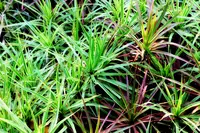
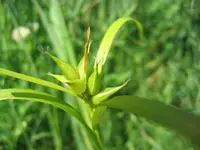
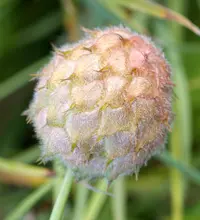
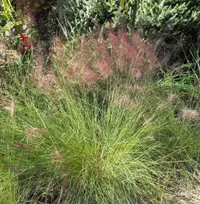
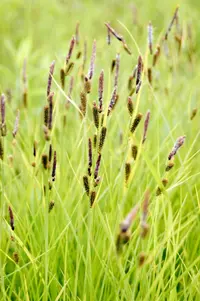
Upright sedge (Carex stricta) is a clump-forming, grass-like perennial commonly found in wetlands, marsh edges, and wet meadows across North America. It forms dense, vertical tufts that give a strong architectural look in planting schemes.

The foliage is narrow, often arching outward at the tips, and can create a natural-looking, meadow-style effect in gardens. It is adapted to consistently moist or even seasonally flooded soils, which makes it well suited to rain gardens and pond margins.

This species is generally low-maintenance once planted in the right spot, but it dislikes drying out completely. Understanding how to care for upright sedge starts with providing steady moisture and a site with at least partial sun.

Main Plant Requirements

Care Difficulty

Easy Care

Light Preference

Partial Sun

Water Requirements

Aquatic

Temperature Preference

Cold Hardy

Hardiness Zone

3–7

Soil Texture

Loamy, Silty, Organic-rich

Soil pH

Acidic (5.5–6.5), Slightly acidic (6.5–7.0)

Soil Drainage

Waterlogged tolerant

Fertilization

Minimal (feed rarely)

Get Personalized Care Plan

Scan your plant to receive care tips personalized for your specific plant

Available on iOS and Android

How to Care for the upright sedge

Carex stricta prefers bright, open conditions that mimic sunny wetlands and pond margins.

  • Provide 4–6 hours of direct sun, ideally morning sun with light afternoon shade to prevent leaf scorch in hotter regions.
  • Plant in a site that receives at least bright, open sky exposure; it tolerates partial shade but becomes looser and may flop if light drops below 3–4 hours.
  • In summer, monitor for bleached or crispy tips from intense afternoon sun, while sparse, stretched growth indicates insufficient light for upright sedge.

This sedge is naturally adapted to wet habitats and performs best in consistently moist to saturated soil.

  • Aim for soil that stays damp at root depth; do not allow more than the top 1–2 cm to dry in garden beds, especially in full sun or sandy soil.
  • In spring and summer, increase watering during dry spells so the root zone never fully dries; reduce frequency in cool, rainy seasons when evaporation slows.
  • Watch for brown, crisp leaf tips and slow growth as signs of underwatering, while foul odor, slimy roots, or yellowing, collapsing leaves suggest prolonged waterlogging without oxygen.

This hardy wetland sedge tolerates a wide temperature range but grows most actively in cool to mild conditions.

  • Best growth occurs around 60–75°F (16–24°C), typical of spring and early summer in many temperate climates.
  • The plant is cold hardy and survives well below 0°F (-18°C); foliage may brown in winter, but crowns and roots usually resprout in spring.
  • It tolerates short heat waves up to about 90–95°F (32–35°C) if soil remains consistently moist, but prolonged heat with drying soil weakens plants and can cause tip burn.

This species prefers consistently moist air but usually manages in typical home humidity if soil moisture is kept high.

  • Target 50–70% humidity, especially in warm rooms, to match its natural wetland habitat.
  • In dry air or near heating vents, leaf tips may brown and edges may crisp from humidity stress.
  • Increase humidity by grouping pots near shallow trays of water and avoiding strong air currents around upright sedge.

Carex stricta thrives in dense, moisture-retentive substrates that stay wet without becoming stagnant indoors.

  • Use a heavy loam-based mix with 40–60% compost or peat-free organic matter to mimic marshy conditions.
  • Ensure slow but steady drainage; soil should feel saturated yet not contain standing water for more than 24 hours.
  • Maintain slightly acidic to neutral pH around 6.0–7.0 to support healthy root and foliage growth.
  • Improve aeration by blending in a small portion of fine bark or sand while avoiding very sandy, fast-drying mixes.

This sedge can adapt to container growing when the pot is managed to stay consistently moist and stable.

  • Choose a deep, weighty container that resists tipping as the clump becomes tall and dense.
  • Use a reservoir-style saucer to hold extra water, but empty it if water remains untouched for more than 24 hours.
  • Select thicker-walled or ceramic pots to slow moisture loss and maintain more even root-zone temperatures.

Carex stricta is a low-feeding native that benefits from light nutrition, especially in poor soils.

  • Use a balanced, slow-release fertilizer (such as 10-10-10) or a thin layer of finished compost in early spring.
  • Feed once in spring and, if growth is weak, once more in midsummer for caring for upright sedge in lean soils.
  • Apply at half the label rate to avoid forcing weak, floppy growth.
  • Do not fertilize in late fall or winter, when the plant is dormant.

Carex stricta responds well to light, seasonal pruning to keep the clump tidy and growing vigorously.

  • Cut back old, straw-colored foliage in late winter or very early spring before new shoots emerge.
  • Remove dead, damaged, or badly tangled leaves during the season using clean hand pruners or sharp shears.
  • Thin out crowded outer tufts occasionally to maintain an upright, fountain-like shape and good air movement.
  • Avoid cutting into fresh new growth; leave at least 5–8 cm of green leaf to sustain the plant.

This sedge is usually grown in the ground, with transplanting focused on overcrowded or poorly sited clumps.

  • Plan to lift and divide clumps every 3–5 years if growth slows or centers die out.
  • Transplant in early spring or early fall, when temperatures are mild and soil stays evenly moist.
  • Dig widely around the clump, lift carefully, and keep the root mass intact to reduce stress.
  • Replant at the same depth in moist soil, water thoroughly, and shade lightly for 3–7 days if conditions are hot.

Carex stricta is most reliably propagated by division, with seed used mainly for larger restoration plantings.

  • Divide mature clumps in early spring or early fall, when soil is cool and moist.
  • Slice the clump into sections with a sharp spade or knife, each with several shoots and a solid root mass.
  • Replant divisions immediately at the original depth, in consistently moist soil, and water well.
  • For seed, sow fresh seed in fall outdoors or use cold stratification, then provide bright light and steady moisture.

This cold-hardy sedge tolerates freezing conditions and usually needs minimal winter care in the ground.

  • In zones with severe freeze-thaw, add a 5–8 cm layer of mulch around the root zone after the ground cools.
  • Leave old foliage over winter in colder sites to catch snow and insulate the crown naturally.
  • For container plants in cold climates, move pots into a protected, unheated garage or against a sheltered wall.

Care Tips

Edge Containment

Install a shallow, 10–15 cm deep plastic or metal edging around clumps to keep the rhizomes from spreading into nearby beds or lawn areas while still allowing the plant to form dense stands.

Seasonal Tussock Renewal

Every 3–4 years, lift and divide older tussocks in early spring, replanting only the vigorous outer sections to maintain strong vertical growth and prevent the center from becoming woody and sparse.

Flooding Management

In rain gardens or low spots, plant on slight mounds or shallow berms so the crown sits just above standing water, which reduces crown rot while still allowing roots to access saturated soil.

Erosion Control Use

On pond edges or drainage swales, stagger plants in a zigzag pattern rather than a straight line, which knits roots together more effectively and stabilizes soil against water flow when growing upright sedge.

Winter Habitat Retention

Leave dried foliage and tussocks standing through winter to protect the crown from freeze–thaw cycles and provide habitat, then cut back in late winter before new growth emerges.

Common Pests and Diseases

Smut

This disease causes black, powdery spore masses on foliage or flowering stems, often in streaks or pustules. Symptoms include distorted growth and reduced vigor in dense, wet stands.

Solution

Remove and destroy affected leaves or culms as soon as black spore masses are noticed, and avoid overhead irrigation that keeps foliage wet for long periods. Reduce stand density by thinning and improve air movement around clumps to lower humidity; in severe, recurring cases, consult local extension services about registered grass smut fungicides and rotate plantings if possible.

Leaf spot

This disease produces tan, brown, or purplish spots on leaves that may merge into larger lesions, especially in humid, crowded plantings. Symptoms include premature browning of older blades and a general decline in appearance rather than rapid plant death.

Solution

Remove and discard heavily spotted foliage to reduce the source of infection, and water early in the day at soil level instead of overhead to keep leaves drier. Improve spacing between clumps, cut back dense growth at the end of the season, and if needed apply a labeled ornamental grass fungicide during prolonged wet weather as part of broader Carex stricta care.

Rust

This disease forms orange to brown pustules on leaf surfaces that release dusty spores when rubbed. Symptoms include yellowing, early leaf drop, and a patchy, thin look in established colonies.

Solution

Cut and dispose of infected leaves or entire tops at the end of the season to remove overwintering spores, and avoid crowding plants to limit moisture retention on leaves. Water at the base rather than over the foliage and, in persistent cases, use a rust-labeled fungicide according to instructions, rotating products to slow resistance development.

Aphids

These insects cluster on young leaves and culm bases, sucking sap and sometimes causing leaf curling or a sticky honeydew coating that can support sooty mold. This pest is more common on lush, fertilized growth at the margins of wetland or garden plantings.

Solution

Spray colonies off foliage with a strong stream of water, focusing on leaf bases and undersides, and repeat every few days until numbers drop. Encourage natural predators like lady beetles, avoid excess nitrogen fertilization, and use an insecticidal soap or horticultural oil directed at the aphids if mechanical removal is not sufficient.

Grass-feeding caterpillars

These insects chew notches or window-like patches in leaves and can skeletonize sections of blades in midsummer. Symptoms include irregular holes and ragged edges rather than spots or discoloration alone.

Solution

Inspect foliage in the evening and hand-pick caterpillars where practical, especially on smaller clumps or container plants. Encourage birds and beneficial insects, mow or cut back heavily damaged foliage to stimulate fresh growth, and if defoliation is significant, apply a targeted product containing Bacillus thuringiensis (Bt) to young larvae while following label directions carefully.

Interesting Facts

Tussock-forming wetland sedge

This species naturally builds dense, elevated tussocks in marshes and wet meadows, with older stems and leaf bases accumulating to form mounds that can rise well above the surrounding saturated soil.

Key engineer in marshes

The tall tussocks alter local hydrology and microtopography, creating elevated, better-aerated microsites that provide habitat for amphibians, invertebrates, and moisture-sensitive plants in otherwise flooded wetlands.

Adapted to fluctuating water

It tolerates seasonal flooding and drawdown, and its root and rhizome system is well adapted to low-oxygen, waterlogged soils that would stress many other graminoid species.

Botan icon

Did you know?

In many North American freshwater wetlands, long-lived tussocks of this species can persist in the same spot for decades, gradually growing taller as new living shoots emerge on top of accumulated dead material, which helps the plant keep its crown above rising water levels and ice scour over time.

FAQs about upright sedge

Leaf tips often brown from low humidity, drought stress, or excess fertilizer salts. Consistently wet-dry cycles and strong wind also damage edges. Remove damaged blades and adjust irrigation and feeding rather than cutting the whole plant back hard.

Grow Healthy Plants with Botan Care

Keep your plants happy and healthy with plant identification, disease detection, and easy care guidance.

Botan plant care app — identify plants on mobile

Explore More Plants