Mauritian grass Care (Apluda mutica)

Also known as: Glutene-rice Grass
Mauritian grass

About Mauritian grass

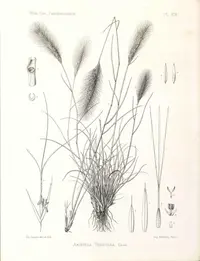
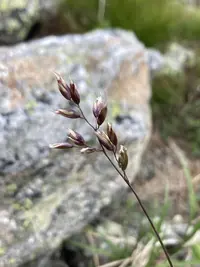
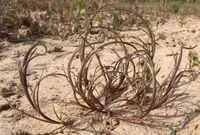
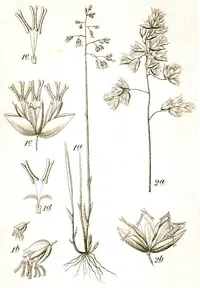
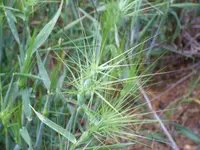
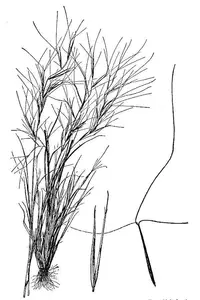
Mauritian grass (Apluda mutica) is a perennial warm-season grass found in tropical and subtropical regions of Asia and Africa. It often grows in open grasslands, roadsides, and disturbed sites. The plant forms upright to slightly arching clumps with narrow, flat leaves and distinctive flower spikes that may look somewhat tufted at the tips. It spreads mainly by seed and can establish quickly where conditions suit it. This grass tolerates poor soils and seasonal dryness, which generally makes it easy to maintain once established. When planning how to care for Mauritian grass, it usually prefers full sun, moderate moisture, and well-drained soil.

Main Plant Requirements

Care Difficulty

Easy Care

Light Preference

Full Sun

Water Requirements

Regular Water

Temperature Preference

Tropical / Frost Sensitive

Hardiness Zone

10–12

Soil Texture

Sandy, Loamy, Silty

Soil pH

Slightly acidic (6.5–7.0), Neutral (7.0)

Soil Drainage

Moist but well-drained

Fertilization

Minimal (feed rarely)

Get Personalized Care Plan

Scan your plant to receive care tips personalized for your specific plant

Available on iOS and Android

How to Care for the Mauritian grass

This warm-season grass prefers bright, open sites with consistent sun exposure for strong growth.

  • Provide 6–8 hours of direct sun daily; light morning sun plus bright afternoon exposure suits most outdoor sites.
  • Tolerates light partial shade, but shoots become weaker and more open if sun falls below about 4 hours per day.
  • In hot summers, protect from intense late-afternoon sun on very dry sites to reduce leaf scorch, and watch winter shade from taller plants.

This species prefers evenly moist, well-drained soil but does not tolerate long periods of saturation.

  • Irrigate when the top 3–5 cm of soil feel dry, letting water soak to the root zone, then drain away fully.
  • Reduce watering in cool seasons as growth slows; in hot, windy weather, check soil more often rather than following a fixed schedule.
  • Signs of overwatering include soft, yellowing bases and a sour smell in the soil, while curling or crisp leaf tips suggest the Apluda mutica is too dry.

This warm-climate grass grows best in consistently mild to hot conditions without frost exposure.

  • Optimal growth occurs around 75–90°F (24–32°C), with steady warmth supporting dense, upright clumps.
  • Tolerates brief dips to about 45°F (7°C), but repeated exposure near this level slows growth and can cause leaf yellowing.
  • Very sensitive to frost; protect plants if temperatures approach 32°F (0°C), and during heat above 95°F (35°C) ensure soil moisture is stable to prevent stress.

This warm-season grass tolerates a wide humidity range and usually does not need special humidity control.

  • Target 40–60% humidity, which suits most homes and outdoor conditions for Mauritian grass.
  • Plants tolerate drier air if soil moisture is consistent and roots do not dry out fully between waterings.
  • Humidity stress appears as leaf tip browning and slow growth; group pots or place near other vegetation outdoors to slightly raise local humidity.

This grass prefers moderately fertile, well-drained mineral soils that stay evenly moist but not saturated.

  • Use a sandy or loamy mix with 20–30% compost to provide stable structure and moderate nutrients.
  • Ensure fast drainage; in pots combine roughly 60% loam, 20% coarse sand, and 20% compost to prevent waterlogging.
  • Aim for slightly acidic to neutral pH, around 6.0–7.0, which supports balanced nutrient uptake for Apluda mutica.
  • Avoid heavy clay, compacted ground, and mixes rich in peat without added grit, as these reduce aeration and promote root rot.

This species can be grown in containers, although it is more commonly used in-ground.

  • Choose a deep, heavy container that resists tipping as the clumps gain height and wind exposure outdoors.
  • Select a pot with wide surface area to allow tillers and rhizomes to spread without crowding quickly.
  • Use a breathable material such as unglazed clay to reduce the risk of prolonged soggy conditions after summer storms.

Apluda mutica grows well in modest soils and benefits from light, targeted feeding during its active season.

  • Use a balanced, slow-release NPK fertilizer or well-aged compost at the start of spring growth.
  • Feed outdoor clumps 1–2 times during the warm growing season, not monthly like heavy feeders.
  • Apply at half the label strength to avoid soft, floppy growth and salt buildup in the root zone.
  • Stop feeding in late summer; avoid fertilization during cool dormancy or when growth pauses.

Pruning Apluda mutica is mainly used to control height, remove damaged material, and keep clumps tidy.

  • Cut back dead, broken, or diseased stems at the base in late winter or very early spring.
  • Thin crowded shoots to improve air flow and light penetration, encouraging stronger, upright growth.
  • Shear or trim flowering stems after they fade if a neater outline is needed in managed plantings.
  • Use clean, sharp hand shears; disinfect blades when working around any suspect disease issues.

Mauritian grass is usually grown in the ground, so care focuses on thoughtful transplanting rather than frequent repotting.

  • Transplant in early spring or early fall when temperatures are mild and soil is workable.
  • Look for signs like congested clumps, declining vigor, or bare centers indicating the need to lift and divide.
  • Dig widely around the root mass, keeping a firm soil ball to limit root tearing and water loss.
  • Replant divisions at the same depth, water thoroughly, and shade lightly for 3–7 days to reduce stress.

Apluda mutica is commonly propagated by seed and by division of established clumps.

  • Sow fresh seeds in spring in a warm, bright location with a light, well-drained seed mix.
  • Keep the seed surface just moist, not wet, until germination under 68–77°F conditions.
  • Divide mature clumps in early spring, ensuring each section has healthy roots and several shoots.
  • Replant divisions promptly, firm soil around roots, and water consistently until strong new growth appears.

In mild to warm climates Apluda mutica needs little winter attention, but light measures help in colder regions.

  • In areas with frost, apply a 5–7 cm mulch around the root zone, keeping it slightly away from stems.
  • Allow top growth to die back naturally, then cut it down in late winter or early spring.
  • In containers, move plants to a sheltered, frost-free spot when temperatures drop near freezing.

Care Tips

Early stand establishment

For new plantings, lightly roll or firm the soil after sowing to ensure good seed-to-soil contact, which helps achieve a dense, even stand that competes better with weeds when growing Mauritian grass.

Targeted weed suppression

In the first season, reduce competition by hand-pulling broadleaf weeds and using a sharp hoe only between rows so shallow roots of the grass are not disturbed.

Rotational grazing use

If used as forage, apply rotational grazing and allow 15–20 cm of regrowth height before re-grazing to prevent stand thinning and maintain long-term vigor.

Periodic rejuvenation

Every 3–4 years, lightly scarify or rake the soil surface in thin or patchy areas and overseed to rejuvenate aging clumps and maintain uniform ground cover.

Seed collection timing

For propagation, harvest seed heads when they turn straw-colored and feel dry, then air-dry them further in a shaded, ventilated place to preserve viability and reduce mold risk.

Common Pests and Diseases

Stem-boring caterpillars

This pest tunnels inside culms and flowering stems, causing weakened shoots that bend, break, or dry prematurely. Symptoms include small entry holes, frass (sawdust-like droppings), and hollow stems that fail to develop seed heads.

Solution

Cut and destroy infested stems as soon as hollow or damaged culms are noticed, reducing the number of larvae that can complete their life cycle. Maintain good stand vigor with adequate light and moderate nutrition, and where pressure is high use targeted biological or selective insecticides labeled for grass stem borers, applied according to local extension recommendations.

Grasshoppers

These insects chew leaf blades and sometimes panicles, leaving irregular holes or ragged edges and, under high populations, can skeletonize foliage. Damage is usually more severe in hot, dry conditions or in open grassland plantings.

Solution

Encourage natural predators by maintaining plant diversity around the stand, and use physical barriers such as fine mesh over small, high-value patches where feasible. In case of repeated severe defoliation, reduce tall weeds that shelter grasshoppers and, if necessary, use bait or targeted products labeled for grasshoppers, following local guidance to limit impact on non-target insects.

Leaf spot complexes

This disease group, often caused by various fungal pathogens, produces small brown, purple, or tan lesions on leaves that may merge into larger dead patches during humid periods. Symptoms include reduced vigor and premature drying of older leaves, especially in dense, poorly ventilated stands.

Solution

Remove and dispose of heavily spotted or dead foliage and avoid overhead irrigation that keeps leaves wet for long periods. Improve air flow by avoiding excessive crowding, and in areas with recurrent severe outbreaks consider applying a grass-safe fungicide during early symptom development, always rotating modes of action to slow resistance.

Rust

This disease shows as orange, yellow, or brown powdery pustules on leaf surfaces, which can coalesce and cause leaves to yellow and dry early. Symptoms include reduced growth and weakened plants, especially in warm, humid weather with frequent leaf wetness.

Solution

Cut back and discard heavily infected foliage to lower the spore load and allow new, healthier leaves to emerge. Provide good spacing and sun exposure, avoid wetting foliage late in the day, and where rust is persistent use a labeled systemic or protectant fungicide as part of a broader Apluda mutica care program.

Interesting Facts

Unique clasping spikelets

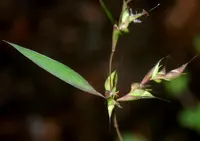
This grass has spikelets partly enclosed in a modified leaf-like sheath that folds and clasps around them, a distinctive structure among tropical grasses that gives its flowering stems a hooded appearance.

Widespread native range

It is naturally distributed from tropical Africa across South and Southeast Asia to parts of northern Australia, where it typically occurs in open grasslands, roadsides, and light woodland edges on well-drained soils.

Role in grazing systems

In many parts of its range it forms part of natural pasture and is readily eaten by cattle and other livestock when young and leafy, contributing to grazing systems without usually becoming a dominant species.

Botan icon

Did you know?

In some regions of its native range, this species is among the first grasses to colonize disturbed or fallow land, helping stabilize soil and providing early cover before more competitive grasses and shrubs establish.

FAQs about Mauritian grass

This species spreads slowly to moderately by short rhizomes and seed. It usually forms loose clumps rather than dense mats. In gardens it is seldom problematic, but in ideal warm, moist conditions it can naturalize over time.

Grow Healthy Plants with Botan Care

Keep your plants happy and healthy with plant identification, disease detection, and easy care guidance.

Botan plant care app — identify plants on mobile

Explore More Plants