Edge Containment
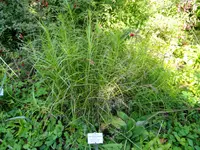
Plant into a wide, shallow container or install an underground root barrier 20–30 cm deep in beds to keep this spreading sedge from invading adjacent planting areas or lawns.

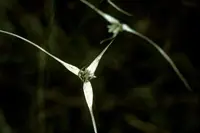
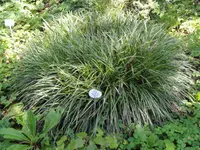
Starrush whitetop (Rhynchospora colorata) is a perennial sedge, not a true grass, known for its bright white, star-like bracts around small brown flower clusters. It typically forms low, clumping tufts with narrow green leaves and showy white tips that stand out in wet or boggy settings.
In nature, it grows in wetlands, ditches, and pond margins across the southeastern United States and parts of Central and South America. It prefers full sun, consistently moist to wet soil, and thrives in shallow water or very damp ground.
These needs make it easy in water gardens but more demanding in regular beds, where constant moisture is harder to maintain. Gardeners who learn how to care for starrush whitetop often use it to create a bright accent near ponds and water features.

Care Difficulty
Moderate Care

Light Preference
Full Sun

Water Requirements
Aquatic

Temperature Preference
Warm Climate

Hardiness Zone
8–11

Soil Texture
Sandy, Loamy, Organic-rich

Soil pH
Acidic (5.5–6.5), Slightly acidic (6.5–7.0)

Soil Drainage
Waterlogged tolerant

Fertilization
Minimal (feed rarely)
Scan your plant to receive care tips personalized for your specific plant
Available on iOS and Android
Rhynchospora colorata prefers bright, moist, open conditions similar to sunny wet meadows.
This species is a wetland sedge that thrives in consistently moist to saturated conditions.
This wetland plant favors warm, frost-free conditions for strong growth.
This species prefers high humidity and reacts quickly to dry air.
This wetland sedge needs consistently moist, air-poor soil that still allows roots to respire.
This species can grow well in containers if the pot supports its moisture-loving, shallow-rooted habit.
This wetland sedge benefits from light, consistent nutrition during active growth but does not need heavy feeding for good performance.
Pruning Rhynchospora colorata is light and mainly focused on keeping the clump tidy and encouraging fresh growth.
This moisture-loving sedge is more often transplanted in the garden than repotted, but container-grown plants still need periodic attention.
Rhynchospora colorata is most commonly propagated by division, with seeds used mainly for larger-scale or specialist growing.
This species is only moderately cold tolerant, so winter care depends on local climate and planting method.

Plant Health Check
Not sure what's wrong with your plant? Check your plant's health inside the app.
The showy white “petals” are actually specialized leaves called bracts that surround the small, true flowers at the center of the head, helping attract pollinators in open wetland habitats where bright displays stand out over grasses and sedges.
This species is strongly associated with shallow, sunny wetlands such as pond margins, ditches, and wet meadows in the southeastern United States, where it forms clumps that tolerate periodic flooding as well as short dry spells.
The white bracts often develop greenish or brownish streaks as they age through the growing season, so individual clumps can show a mix of bright white and subtly striped bracts at the same time.

In some southeastern U.S. wetlands, dense stands of this species can be so conspicuous from above that they are visible in aerial imagery, and have been used by field botanists as visual markers when mapping marsh and pond-edge plant communities.
This sedge spreads by short rhizomes and self-seeding. In moist, favorable sites it can form dense clumps but is usually manageable. Periodic division, edging, and removing unwanted seedlings limit spread and keep plantings under control.
Keep your plants happy and healthy with plant identification, disease detection, and easy care guidance.