Encourage Dense Stands
For thicker cover and better weed suppression, lightly rake or scuff the soil surface around young plants in late spring to encourage reseeding and create staggered-age clumps.

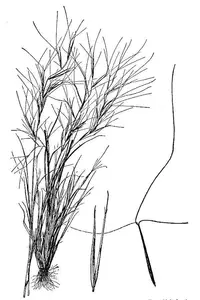
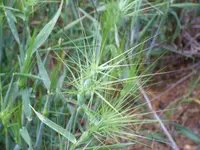
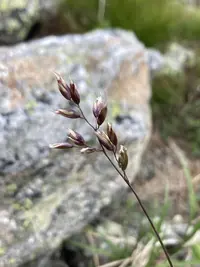
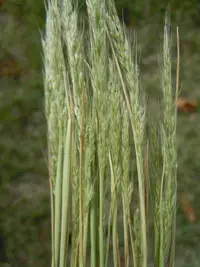
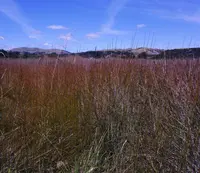
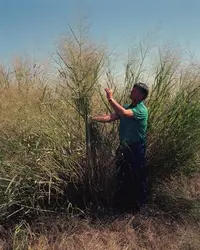
Prairie threeawn (Aristida oligantha) is a small, annual bunchgrass native to dry prairies, open fields, and roadsides across much of North America. It often appears in disturbed or poor soils where other grasses struggle. Plants form loose tufts with slender stems and narrow leaves, topped by airy seed heads. Each seed carries three long, twisting awns that give the grass a fine, bristly look. It is generally tough and drought tolerant but can be short-lived and seed-reliant. Those who want to learn how to care for prairie threeawn should focus on providing full sun, well-drained soil, and minimal watering once plants are established.

Care Difficulty
Easy Care

Light Preference
Full Sun

Water Requirements
Low Water

Temperature Preference
Cold Hardy

Hardiness Zone
4–9

Soil Texture
Sandy, Loamy, Rocky

Soil pH
Slightly acidic (6.5–7.0), Slightly alkaline (7.0–7.5)

Soil Drainage
Well-drained

Fertilization
Minimal (feed rarely)
Scan your plant to receive care tips personalized for your specific plant
Available on iOS and Android
This sun-loving annual grass thrives in open, exposed sites with strong light.
This species is adapted to dry, well-drained soils and is highly drought tolerant once established.
This warm-season grass grows best in hot summers and tolerates a wide temperature range outdoors.
This drought-adapted grass has no special humidity needs and grows well in dry, open air.
Aristida oligantha thrives in lean, well-drained mineral soils that do not stay wet after rain or watering.
This species can be grown in containers if the pot and substrate prevent waterlogging and root rot.
This drought-adapted native grass generally needs no fertilizer in ordinary, lean soil when growing prairie threeawn outdoors.
Aristida oligantha benefits from minimal pruning mainly to maintain appearance and manage self-seeding.
This species is usually grown in the ground, so management focuses on occasional transplanting rather than frequent repotting.
Aristida oligantha is most commonly propagated by seed, reflecting its natural life cycle as an annual or short-lived grass.
This annual or short-lived grass is cold hardy and typically needs no special winter care once seeds have set.

Plant Health Check
Not sure what's wrong with your plant? Check your plant's health inside the app.
Its spikelets bear three long bristle-like awns that twist and angle differently, helping the seeds snag onto animal fur and clothing for short-distance dispersal.
This species is a true annual that completes its life cycle in a single growing season, often appearing rapidly in disturbed or overgrazed sites and then declining as perennial grasses re-establish.
Mature plants develop very wiry, harsh foliage and sharp awns that reduce palatability for livestock and wildlife, so rangeland managers often monitor its abundance as an indicator of declining forage value.

Prairie threeawn often increases on heavily grazed or disturbed rangelands in the central and southern Great Plains, and land managers sometimes use its rising dominance as a practical warning sign that grazing pressure or soil disturbance has become too high.
This grass is typically an annual species. Individual plants complete their life cycle in 1 growing season, but it often reseeds freely, so stands can appear persistent in the same area from year to year.
Keep your plants happy and healthy with plant identification, disease detection, and easy care guidance.