Common Reed Care (Phragmites australis)

Also known as: cane grass, phrag, phragmites, letlhaka, Carrizo, roseau cane
Common Reed

About Common Reed

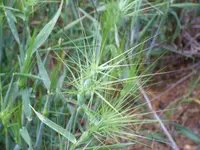
Common reed, Phragmites australis, is a tall perennial grass that forms dense stands in wetlands, pond margins, and along slow-moving water. It spreads by both seeds and strong underground rhizomes, creating large colonies over time.

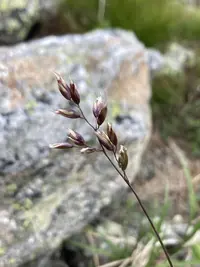
Stems are upright and reed-like with flat leaves and feathery flower plumes that turn tan as they mature. It can reach impressive heights and quickly dominate open, wet ground.

This species thrives in full sun, consistently moist to wet soil, and tolerates a wide range of water and soil conditions. In controlled settings, it is important to understand how to care for Common Reed to prevent unwanted spreading beyond the intended planting area.

Main Plant Requirements

Care Difficulty

Easy Care

Light Preference

Full Sun

Water Requirements

Aquatic

Temperature Preference

Cold Hardy

Hardiness Zone

3–9

Soil Texture

Loamy, Silty, Organic-rich

Soil pH

Slightly acidic (6.5–7.0), Neutral (7.0)

Soil Drainage

Waterlogged tolerant

Fertilization

Minimal (feed rarely)

Get Personalized Care Plan

Scan your plant to receive care tips personalized for your specific plant

Available on iOS and Android

How to Care for the Common Reed

This tall wetland grass thrives in strong light and is adapted to open, exposed sites.

  • Provide full sun for 6–10 hours daily; Common Reed forms denser, taller stands with unobstructed exposure.
  • Tolerates light partial shade, especially with bright morning sun and lighter afternoon shade, but stems may grow thinner and lean toward brighter areas.
  • In winter, shorter day length slows growth naturally; summer intense sun is usually tolerated if soil stays saturated, though prolonged exposure with dry soil can scorch leaf tips.

This species is naturally adapted to marshes and shorelines, so it expects very wet conditions.

  • Maintain constantly saturated soil; in natural ponds or ditches, allow water to stand at or slightly above the soil surface.
  • In drier ground, water whenever the top 1–2 cm feels only just moist, not drying out completely, to avoid browning and reduced shoot growth in Phragmites australis.
  • Signs of too little water include crisp leaf edges and slow height increase; stagnant, foul-smelling soil with yellowing, collapsing stems suggests oxygen-poor conditions and poor drainage rather than excess moisture alone.

This hardy grass tolerates a wide climatic range but has a clear preference during active growth.

  • Best growth occurs around 68–86°F (20–30°C) during spring and summer, especially when soil stays warm and saturated.
  • Dormant rhizomes usually survive down to about 5°F (−15°C) under natural conditions, though exposed young shoots can be damaged by hard frosts in late spring.
  • In hot spells above 95°F (35°C), adequate water depth and saturated soil help prevent stress; in winter, top growth dies back while underground parts rest until temperatures rise again.

This wetland grass prefers consistently high humidity and saturated conditions rather than typical indoor air levels.

  • Aim for 60–90% humidity, keeping the root zone in very moist to shallowly flooded conditions for healthy Common Reed growth.
  • It tolerates short periods of drier air if roots remain wet, but prolonged dry substrate quickly stresses the plant.
  • Humidity stress shows as browning leaf tips and slower growth; raise humidity by standing the container in a water tray or shallow pond.

Phragmites australis thrives in heavy, waterlogged substrates that stay saturated for long periods.

  • Use a dense, clay-rich or loamy mix with high organic matter, such as garden loam blended with compost and a small amount of sand.
  • Soil should retain water and tolerate standing water; avoid fast-draining, peat-heavy, or very sandy mixes that dry out quickly.
  • A slightly acidic to neutral pH of about 6.0–7.5 suits this species in most garden and pond-edge situations.
  • For container or pond baskets, tamp the soil firmly to reduce large air pockets, which helps the substrate stay evenly saturated.

This tall, vigorous grass can be grown in large, robust containers, mainly to confine its spread near water.

  • Choose a wide, heavy container to counteract wind leverage from tall stems and reduce the risk of tipping.
  • Select thick plastic or glazed ceramic to slow water loss so the substrate can remain saturated between top-ups.
  • Sink the container partly into a pond or large water trough to stabilize temperature and keep the root zone consistently flooded.

This wetland grass is vigorous and usually needs only modest feeding in cultivation.

  • For container-grown Common Reed, use a balanced slow-release fertilizer (for example 10-10-10) mixed into the substrate at planting.
  • During spring–summer, apply a half-strength balanced liquid feed every 4–6 weeks only if growth appears weak or leaves pale.
  • Avoid fertilizing in fall–winter, as plants are entering or in dormancy and excess nutrients can leach into water bodies.
  • Do not overfeed in outdoor ponds or wetlands to reduce the risk of nutrient pollution and algae blooms.

Pruning Phragmites australis is mainly used to manage size, remove old growth, and maintain stand health.

  • Cut back dead or damaged stems in late winter or very early spring before strong new shoots emerge.
  • Use sharp loppers or a scythe to remove previous-year canes close to the base, working in manageable sections.
  • Thinning crowded clumps improves air flow and light penetration, which supports vigorous new culm production.
  • Leave some stems standing over winter if habitat value for wildlife is a priority, then cut them before new growth elongates.

Transplanting this robust rhizomatous grass requires planning, as it spreads strongly and resents drying of roots.

  • Look for dense, congested clumps, slow shoot expansion, or roots circling container walls as signs it needs moving or division.
  • Transplant or divide in early spring or early fall, when temperatures are mild and soil moisture is reliable.
  • For container culture, shift to a wider, heavy pot every 1–2 years, using loamy soil that stays consistently wet.
  • Keep rhizomes shaded and moist during the move, plant at the same depth, water thoroughly, and avoid disturbing the root zone afterward.

Multiplying Phragmites australis is straightforward but should be done responsibly, as the species can be highly invasive in many regions.

  • Rhizome division in early spring is the most practical method; lift a section, cut into pieces with buds and roots, then replant promptly.
  • Stem cuttings taken from young, non-woody culms root in warm, shallow water or saturated soil with stable moisture.
  • Seed propagation is possible but slower; surface-sow fresh seed on wet, fine substrate and maintain high humidity and light.
  • Always check local regulations before starting new plants, as this species is restricted or discouraged in many areas.

This hardy reed tolerates freezing conditions and usually needs minimal winter care in temperate climates.

  • Established in-ground stands survive well in frozen wetlands and cold winds without extra insulation.
  • In very exposed sites, a light mulch over the root zone can reduce heaving from freeze–thaw cycles.
  • Container-grown plants in cold regions benefit from sinking pots into the ground or moving them to an unheated, frost-sheltered area.

Care Tips

Rhizome Containment

Install an 18–24 in deep root barrier around the planting area before establishment to prevent the rhizomes from spreading aggressively into adjacent beds or waterways.


Controlled Stand Thinning

Once a year, remove a portion of older, dense culms at the base during late winter to maintain airflow, reduce disease pressure, and encourage vigorous new shoots.

Shallow Water Management

In constructed ponds or wetland beds, maintain water depth at 4–8 in over the soil surface to support strong growth while still allowing access for inspection and maintenance.

Sturdy Wind Support

In exposed, windy sites, run strong horizontal wires or reusable garden tape between solid posts and loosely tie culms in several bands to reduce lodging and breakage of tall stems.

Biomass Recycling

After cutting back dry stems, chip or shred them and use the material as a light mulch around non-invasive plants rather than leaving dense mats that can smother emerging shoots when growing Common Reed.

Common Pests and Diseases

reed gall midge

This pest forms spindle-shaped galls on young stems and leaves, which can distort growth and reduce plant vigor. Symptoms include swollen, club-like sections on culms that remain even after insects leave.

Solution

Cut and remove galled stems before mid-summer to interrupt the insect life cycle and dispose of them in trash, not compost. In small stands, regular monitoring and early removal of fresh galls is usually sufficient; avoid high-nitrogen fertilization, which can promote the lush soft growth that gall midges prefer.

common reed borer

This pest is a stem-boring moth larva that tunnels inside culms, causing weakened stems, breakage, and dead or pale shoots. Symptoms include entry holes, frass (insect droppings), and hollow, fragile stems.

Solution

Cut and destroy infested culms at or near ground level in late fall or very early spring, before new larvae emerge. Where possible, maintain diverse vegetation and habitat for natural predators such as birds and parasitic wasps, and avoid broad-spectrum insecticides that would disrupt these beneficials.

rust fungus

This disease produces orange to brown pustules on leaves and stems, which can coalesce into large patches and cause early leaf yellowing and drop. Symptoms include dusty rust-colored spores that rub off on fingers or clothing.

Solution

Remove and discard heavily infected leaves and stems to reduce spore load, and avoid overhead irrigation if the stand is under managed conditions. Improve air movement through thinning dense patches and, where appropriate, allow water levels to fluctuate so foliage dries more quickly, which helps limit further infection.

sooty mold

This disease appears as black, soot-like fungal growth on leaves and stems, often growing on honeydew excreted by sap-sucking insects. Symptoms include dark surfaces that can reduce photosynthesis and make the plant look dirty or dull.

Solution

Rinse affected foliage with clean water to remove honeydew and loose mold, and control the underlying sap-sucking insects such as aphids or scale by targeted treatments or strong water sprays. In managed plantings, reduce plant crowding and improve light penetration so wet surfaces dry faster and Phragmites australis care remains simpler over time.

Interesting Facts

Native vs. invasive lineages

This reed has both native and introduced genetic lineages in North America, and the introduced Eurasian lineage spreads much more aggressively, forming dense monocultures that alter wetland structure and function.

Rhizome-based expansion

It spreads primarily through thick underground rhizomes that store carbohydrates and can resprout even after repeated cutting or burning, making established stands very difficult to remove.

Tall and highly productive

In favorable wetland conditions, this species often reaches 3–4 m in height and produces large amounts of biomass each year, which influences nutrient cycles and habitat conditions for many aquatic and semi-aquatic organisms.

Botan icon

Did you know?

In Europe and parts of Asia, this reed has been used for centuries as a construction and craft material, including thatching for roofs, making musical instruments such as reed pipes, and producing traditional mats and fencing in wetland communities.

FAQs about Common Reed

This species spreads vigorously by creeping rhizomes and wind‑dispersed seed, especially in wet or disturbed sites. In many regions it is classified as invasive and can quickly dominate shorelines, ditches, and wetlands if not strictly contained.

Grow Healthy Plants with Botan Care

Keep your plants happy and healthy with plant identification, disease detection, and easy care guidance.


Botan plant care app — identify plants on mobile

Explore More Plants