floating antlerfern Care (Ceratopteris pteridoides)

Also known as: Water Horn Fern
floating antlerfern

About floating antlerfern

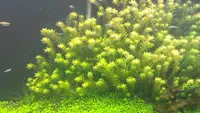
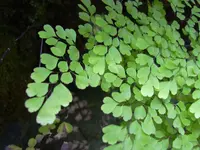
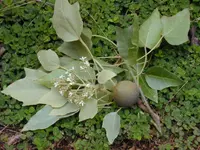
Floating antlerfern, Ceratopteris pteridoides, is a fast-growing aquatic fern often used in ponds and aquariums. It forms loose rosettes of finely divided, antler-like fronds that float on or just below the water surface.

This species occurs naturally in still or slow-moving tropical and subtropical waters, where it helps shade the surface and provides shelter for fish and invertebrates. Its rapid growth and ability to absorb excess nutrients make it useful for improving water quality.

It is generally considered easy to grow if it has stable warm water, gentle water movement, and good light. Understanding how to care for floating antlerfern mainly involves balancing light, nutrients, and water conditions so it does not melt or become invasive.

Main Plant Requirements

Care Difficulty

Moderate Care

Light Preference

Partial Shade

Water Requirements

Aquatic

Temperature Preference

Tropical / Frost Sensitive

Hardiness Zone

10–12

Soil Texture

Loamy, Silty, Organic-rich

Soil pH

Acidic (5.5–6.5), Slightly acidic (6.5–7.0)

Soil Drainage

Waterlogged tolerant

Fertilization

Light (every 4–6 weeks)

Get Personalized Care Plan

Scan your plant to receive care tips personalized for your specific plant

Available on iOS and Android

How to Care for the floating antlerfern

This aquatic fern prefers bright, indirect light that mimics dappled sun over shallow water.

  • Provide 4–6 hours of filtered or morning sun daily; shield from strong midday and late-afternoon sun using taller plants or shade cloth.
  • Floating antlerfern tolerates light shade but grows thinner and more stretched if light drops much below 3–4 hours of bright conditions.
  • In summer, increase shade during heat waves to prevent leaf scorch; in shorter winter days, remove overhead shading so more weak sun reaches the fronds.

This species is an aquatic fern that depends on stable, clean, standing or gently moving water rather than soil moisture.

  • Grow in shallow ponds, tubs, or aquariums with water covering the roots at all times; exposed roots or crowns indicate insufficient water level.
  • Monitor leaf color and texture: pale, crisping fronds often signal low water quality or too little depth, while yellowing, limp fronds can indicate stagnant, oxygen-poor water.
  • Adjust water changes seasonally; in warm weather replace 20–30% weekly to control nutrients and algae, reducing the frequency slightly in cooler seasons.

This fern prefers consistently warm conditions typical of tropical to subtropical shallow waters.

  • Aim for 72–82°F (22–28°C) for strong growth; growth slows noticeably below 68°F (20°C).
  • Avoid exposing the plant to temperatures under 60°F (16°C); brief dips may be tolerated, but frost quickly kills exposed fronds and can damage roots.
  • In hot spells above 86°F (30°C), increase shade and water movement to limit overheating, and avoid placing shallow containers on sun-baked surfaces.

This species needs very high humidity similar to warm, still freshwater margins.

  • Target 70–100% humidity; tanks, indoor ponds, or covered aquariums suit floating antlerfern best.
  • Dry air causes browning and crisping of frond tips, reduced growth, and fronds that fail to unfurl fully.
  • Increase humidity by using closed-top aquariums, partially covered tubs, or placing the container inside a larger water-filled tray.

This aquatic fern prefers very soft, organic-rich substrates rather than conventional potting soil.

  • Use fine, silty, organic material such as decomposed leaf litter, peat, or aquatic-plant substrate with a loose texture.
  • Allow slow water movement over the substrate so roots sit in waterlogged conditions without stagnant, foul-smelling anaerobic pockets.
  • Aim for slightly acidic to neutral conditions, roughly pH 6.0–7.2, which support nutrient availability for Ceratopteris pteridoides.
  • Avoid coarse, sharp sand, gravel-only beds, or dense clay that restricts root penetration or encourages rot in poorly oxygenated zones.

This fern can be grown successfully in containers designed as shallow water gardens or aquariums.

  • Choose wide, shallow tubs or tanks that provide surface area for floating rosettes and prevent crowding at the waterline.
  • Use dark, opaque containers outdoors to limit light penetration, which helps stabilize water temperature and reduce algae swings.
  • Position the container on a stable, level surface because fully hydrated plants and water volume create a heavy, top-weighted setup.

Ceratopteris pteridoides grows fast and benefits from light, steady nutrition in warm months.

  • Use a dilute balanced aquatic fertilizer (for example 10-10-10) at 1/4–1/2 strength to avoid burning delicate roots and fronds.
  • Feed every 2–4 weeks during active growth when water temperatures stay above about 68°F.
  • In pond or aquarium setups with fish, reduce dosing because fish waste already supplies nitrogen and phosphorus.
  • Stop or greatly reduce feeding in winter or when growth slows, especially for floating antlerfern in cooler rooms.

Pruning helps Ceratopteris pteridoides stay dense, healthy, and well-sized for its pond or aquarium.

  • Trim year-round as needed, with most shaping done during peak growth in spring–summer.
  • Remove yellowing, decaying, or damaged fronds at the base to maintain water quality and limit rot.
  • Thin crowded rosettes or large fronds to improve light penetration and encourage compact new growth.
  • Use clean scissors or aquascaping shears and avoid tearing tissue, which increases infection risk.

This fern is usually grown floating or loosely anchored, so transplanting focuses on thinning and repositioning rather than classic repotting.

  • Plan to divide and reset clumps every 3–6 months when growth becomes dense or surface coverage is excessive.
  • Crowding, smaller new fronds, or shaded plants below indicate it is time to thin and relocate portions.
  • Gently lift plants, keep roots submerged and moist, and avoid crushing the soft crown during handling.
  • Replant into shallow baskets or anchor lightly in substrate, then shade for a few days to reduce transplant stress.

Ceratopteris pteridoides is commonly multiplied by division and by using plantlets that form on mature fronds.

  • Best results occur in late spring–summer when water is warm and growth is rapid.
  • Gently separate side rosettes or plantlets with their own small roots from the parent clump.
  • Float or loosely anchor divisions in nutrient-rich, clean water with moderate light and stable 72–82°F temperatures.
  • Avoid strong currents and sudden water-parameter changes until new roots and fronds expand.

This tropical fern is frost-sensitive and needs warm, stable water through winter in most climates.

  • In outdoor ponds below USDA zone 10, move portions indoors to an aquarium or heated tub before first frost.
  • Maintain water at roughly 70–78°F with consistent lighting to prevent dieback.
  • Remove dead fronds promptly to maintain water quality when growth slows.

Care Tips

Containment netting

Use a fine-mesh floating ring or net to confine the plants to one area of the pond or tank so they do not completely cover the surface and block gas exchange or light for submerged plants.

Regular thinning

Remove older, yellowing fronds and excess daughter plants every 1–2 weeks to maintain water circulation and prevent nutrient crashes from decomposing plant material.

Quarantine new stock

Keep new plants in a separate container for 1–2 weeks to watch for snails, algae, or disease before introducing them to a display tank or pond.

Surface movement control

Provide only gentle surface water movement, using a spray bar or baffle on filters, because strong agitation tears fronds and can push plants underwater where they decline.

Seasonal indoor transition

In cooler regions, move a portion of the colony indoors to a heated aquarium before outdoor water drops below 65°F so you can continue growing floating antlerfern through winter and reintroduce healthy stock in spring.

Common Pests and Diseases

Aquatic snails

These pests often arrive with other aquatic plants and can graze on the soft fronds, leaving transparent patches or irregular holes in the leaves.

Solution

Manually remove visible snails and egg clutches, rinse new plants before introduction, and use snail traps or temporarily relocate the fern while introducing snail-eating fish where compatible with the aquarium setup.

Algal overgrowth

This problem develops in nutrient-rich, still water and coats floating fronds with green, brown, or filamentous algae, blocking light and reducing photosynthesis.

Solution

Reduce excess light and dissolved nutrients by shortening light periods, avoiding overfeeding fish, increasing partial water changes, and gently rinsing or wiping fronds to remove algae without tearing the delicate tissue.

Bacterial frond rot

This disease occurs in warm, stagnant, nutrient-rich water and causes frond tips or edges to turn translucent, brown, and mushy, often breaking apart in the water.

Solution

Improve water circulation and hygiene with regular partial water changes, remove all affected tissue, avoid overcrowding at the surface, and lower organic waste levels from decaying plant matter or uneaten food to reduce bacterial pressure.

Spider mites (emersed growth)

This pest affects plants grown with emersed or marginal fronds, causing tiny yellow speckling and fine webbing on leaves above the waterline.

Solution

Increase humidity around emersed parts, regularly mist and gently rinse fronds, isolate heavily infested plants, and use a targeted insecticidal soap on affected emersed foliage while keeping the product out of the main aquarium water whenever possible.

Interesting Facts

True floating fern

This species is fully free‑floating in calm, nutrient‑rich freshwater and does not need to anchor its roots into soil, using its roots mainly for nutrient uptake and stability in the water column.

Dimorphic leaf forms

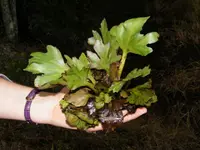
It shows strong leaf dimorphism, producing broad, lobed, almost lettuce‑like floating fronds at the surface and more finely divided, submerged fronds under the water, depending on light and water conditions.

Pioneer of new habitats

In warm regions it often colonizes newly formed or disturbed water bodies such as rice paddies, ponds, and ditches, where its fast growth helps shade the water surface and can alter local aquatic communities.

Botan icon

Did you know?

In favorable tropical and subtropical conditions this fern can reproduce so rapidly by spores and vegetative fragmentation that it forms dense surface mats, which in some regions are considered invasive because they block light and gas exchange for other aquatic organisms.

FAQs about floating antlerfern

Yellowing fronds usually indicate nutrient deficiency, overcrowding on the water surface, or poor water quality. Check for depleted aquarium or pond nutrients, reduce plant density, increase gentle water movement, and remove older, shaded fronds to restore vigor.

Grow Healthy Plants with Botan Care

Keep your plants happy and healthy with plant identification, disease detection, and easy care guidance.

Botan plant care app — identify plants on mobile

Explore More Plants