Shrub Identification by Picture
Snap, Scan, and Recognize any Bush
Botan is your instant bush identifier. With it, you’ll learn the shrub’s name, habitat, and care tips in 1-3 seconds, with 98% accuracy.


Snap, Scan, and Recognize any Bush
Botan is your instant bush identifier. With it, you’ll learn the shrub’s name, habitat, and care tips in 1-3 seconds, with 98% accuracy.


Plant Identifier Online for Free
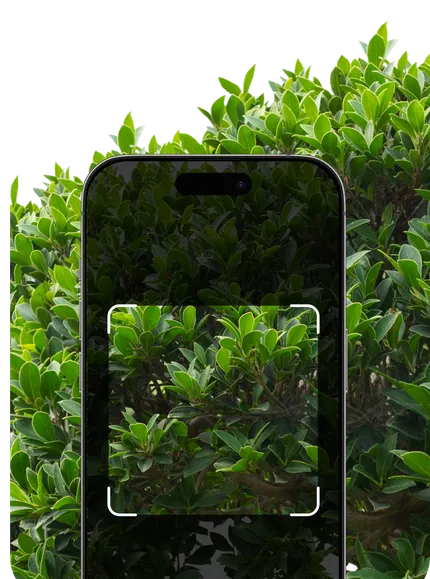
Use easy-to-see images for the best plant ID results. Try not to take photos from very far away.
 POPULAR
Japanese aralia
Fatsia japonica
 POPULAR
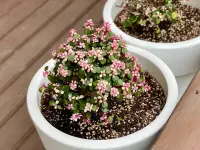
Elephant Bush
Portulacaria afra
 POPULAR
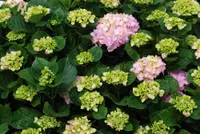
Bigleaf Hydrangea
Hydrangea macrophylla
 POPULAR
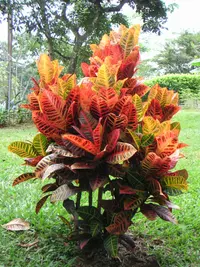
Garden croton
Codiaeum variegatum
 POPULAR
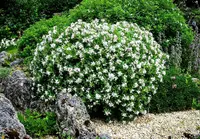
Cape jasmine
Gardenia jasminoides
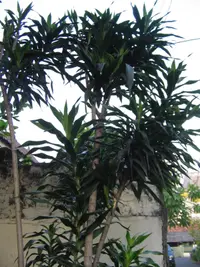 POPULAR
Suji
Dracaena angustifolia
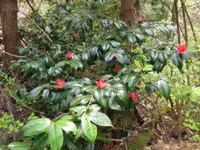 POPULAR
Japanese camellia
Camellia japonica
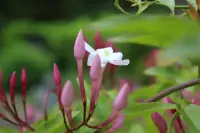 POPULAR
Pink Jasmine
Jasminum polyanthum
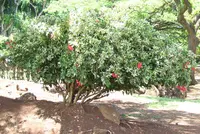 POPULAR
Chinese hibiscus
Hibiscus rosa-sinensis
 POPULAR
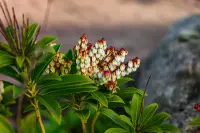
Japanese pieris
Pieris japonica
 POPULAR
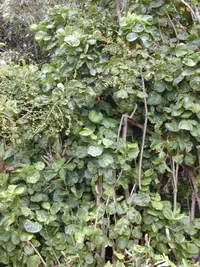
Shield aralia
Polyscias scutellaria
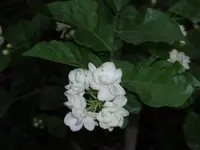
Arabian Jasmine
Jasminum sambac
 POPULAR
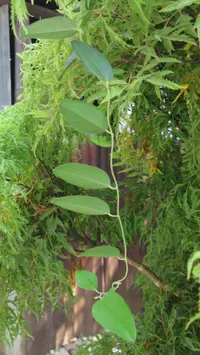
Ming aralia
Polyscias fruticosa
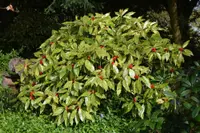
Japanese Laurel
Aucuba japonica
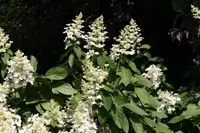
Panicled Hydrangea
Hydrangea paniculata
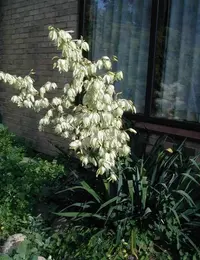
Adam's needle
Yucca filamentosa
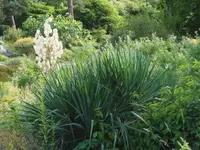
Spanish dagger
Yucca gloriosa
-1-200x133.webp)
Egyptian starcluster
Pentas lanceolata
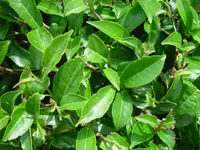
Tea plant
Camellia sinensis
Sky flower
Duranta erecta
-1-200x150.webp)
Mediterranean spurge
Euphorbia characias
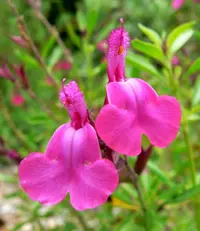
Autumn sage
Salvia greggii
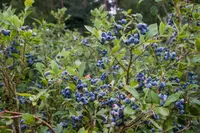
Highbush blueberry
Vaccinium corymbosum
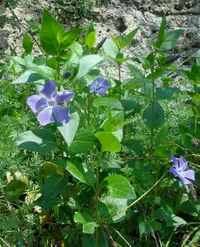
Greater periwinkle
Vinca major
With Botan, shrub identification doesn’t require special skill or extra effort. You only need to open the app, take a photo or upload one from your gallery, and learn the ID result.
The picture will be compared against 30,000+ plants in our database. That’s how you get the name of the shrub, facts about its origin and habitat, and a science-based cultivation plan.
With our shrub identification tool, you can recognize plants automatically. But if you want to do your own research, you need to focus on leaf features first.
The analysis should not be random. You’ll need to evaluate the leaf arrangement, shape, and texture step by step. That’s how you narrow the identification down to the right group, and then to the species.
To correctly identify a shrub, take a close look at how exactly leaves grow on the stem. The main types of arrangements are:
Note that types with rosette leaves have an underlying arrangement. So, use this fourth type as a bonus visual clue rather than a completely separate type.
Of course, shrub identification by leaf doesn’t stop at the arrangement analysis. The next step is shape evaluation, and here are the main types to consider:
Some also have very narrow, grass-like leaves. This is a great ID feature — you can see such a rare shape in rosemary and lavender (which is also a shrub in botany).
Now, it’s time to move on to the texture analysis. Take a close look at the leaf to see if it’s:
Now you know how to identify a bush yourself. It’s a step-by-step process, but if you follow the system, you’ll likely succeed.
With Botan, you can identify shrubs by picture in seconds, but there are a few things to keep in mind. Lighting, angle, and choosing the right part of the plant are essential for the detector to work properly.
Here’s what to focus on to get an accurate result on your very first try.
What to photograph | Why it helps |
Leaves in sharp focus | Shows leaf arrangement, shape, color, and texture — key ID clues |
Part of a branch | Reveals branching pattern, leaf attachment, and spacing |
Part of the structure | Indicates overall growth pattern, density, and stems |
Flowers/fruits (if any) | Captures flowering features, which often confirm species ID |
Twigs or buds | Highlights all the key ID features if you use the detector in winter |
Identification research takes time and effort. If you’re asking yourself, “What type of bush is this?”, you can just open the Botan scanner, take a single photo, and learn the correct answer instantly.
Specialized AI will compare the photo to thousands of bushes, analyze leaves, branch structure, and flowers, if any, and give you the accurate result. No extra effort needed.
Yes, absolutely. If there are no leaves, the system focuses on other distinctive features: growth and branching patterns, buds, bark texture, and stem structure.