Vegetable Identification
Recognize Vegetables in Seconds
Upload a photo from your gallery or point your camera to get the species ID now.


Recognize Vegetables in Seconds
Upload a photo from your gallery or point your camera to get the species ID now.

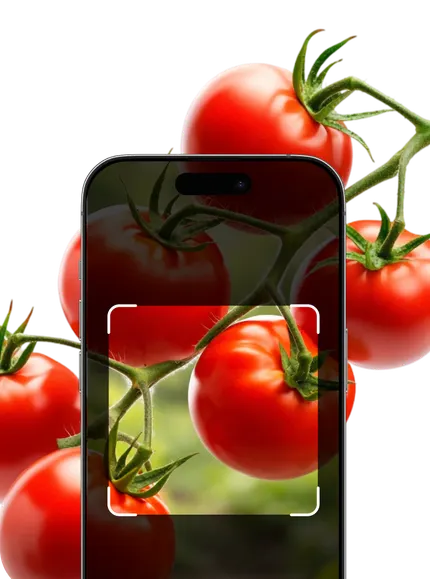

Plant Identifier Online for Free
Use easy-to-see images for the best plant ID results. Try not to take photos from very far away.
 POPULAR
Devil's Tongue
Amorphophallus konjac
 POPULAR
Taro
Colocasia esculenta
Joseph's-coat
Amaranthus tricolor
Cayenne pepper
Capsicum annuum
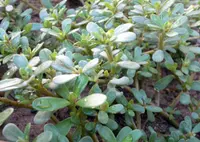
Purslane
Portulaca oleracea
-1-200x150.webp)
Arrowleaf elephant's ear
Xanthosoma sagittifolium
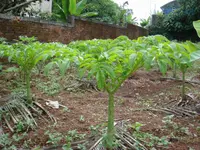
Elephant Foot Yam
Amorphophallus paeoniifolius
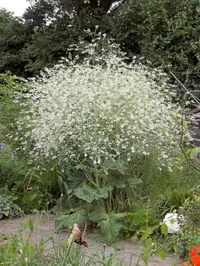
greater sea-kale
Crambe cordifolia
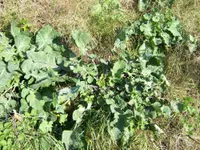
broccoli
Brassica oleracea

ginger
Zingiber officinale
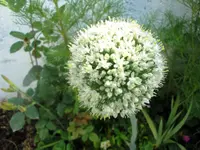
bulb onion
Allium cepa

Queen Anne's lace
Daucus carota
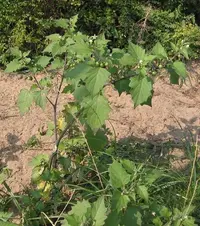
black nightshade
Solanum nigrum
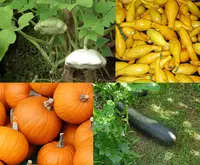
zucchini
Cucurbita pepo

American groundnut
Apios americana
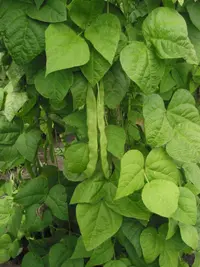
green bean
Phaseolus vulgaris
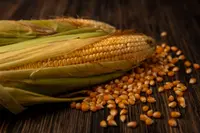
corn
Zea mays
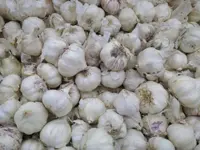
garlic
Allium sativum
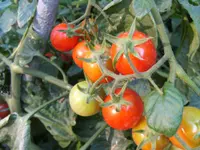
tomato plant
Solanum lycopersicum

sweet potato
Ipomoea batatas
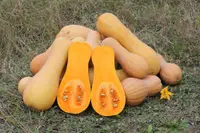
Butternut Pumpkin
Cucurbita moschata

potato
Solanum tuberosum

balsampear
Momordica charantia

field mustard
Brassica rapa
Many people ask how to identify a vegetable from a photo; however, it is not possible to give a definite answer to this question. To get the most reliable result, it is necessary to compare several characteristics at once. This is exactly what Botan does.
During each scan, four categories of features are analyzed. The first is leaf shape. It is important to consider the outline, edge type, and the way it attaches to the stem. The second relates to stem characteristics. It may have a specific texture, cross-section, and branching pattern.
The third covers overall color distribution, which can indicate the variety or growth stage. The fourth is the growth type. A vegetable may have a compact form, a creeping or climbing habit, and so on.
The Botan detector combines all four parameters and reduces the number of possible matches to a minimum within seconds. This is especially useful when you need to identify vegetables from the same botanical family quickly. Such speed and accuracy are not possible with manual search.
A quick glance is unlikely to help identify a vegetable by its appearance. Two plants may look very similar but belong to different species. Below, we show the table that maps features to specific plants.
What You See | Possible Plant Type | Common Example |
Feathery or divided leaves with thin segments | Root vegetables or umbellifers | Carrot, parsley |
Similar broad leaves with red or green veins | Leaf or root vegetable | |
Upright stem with leaves arranged in tiers | Nightshade or tall legume plants | |
Сoarse or bristly hairs on the stem | Cucurbits or legumes | Pumpkin, courgette |
Leaves usually form earlier than any other part of the plant. That is why their shape is the first thing to look at when doing vegetable identification.
When trying to identify vegetable plants by picture, it is most convenient to start with the leaves. This feature remains stable throughout the entire growing period.
If you see an unfamiliar plant and ask yourself what this vegetable is, its color can help narrow down your options.
Keep in mind that color may vary depending on maturity or lighting conditions. That is why it is most useful when combined with other features discussed in this article.
If two plants share similar leaf shape and color, growth habit can be the feature that clarifies everything. The overall shape, growth direction, and height help distinguish closely related families.
Botan’s vegetable plant identifier detects these markers first when analyzing a top-view image.
Examining the stem only takes a few seconds, but gives additional confidence when identifying the species. It can help tell plants apart from weeds with similar leaf shapes.
Stems, along with other features, can help narrow down the range of possible edible species.
An unfamiliar plant in a garden or pot requires fast and accurate identification. In such cases, relying on memory or searching through guides is inconvenient, but you can use our app. Here is why:
At the same time, this scanner does not require manual input or intermediate steps. The result is delivered in seconds.
Yes, Botan analyzes the above-ground part of the plant, allowing identification without digging up the root from the soil.