nasturtium Care (Tropaeolum majus)

Also known as: Garden Nasturtium, Indian Cress, Monks Cress, Nasties, Lark's Heel, Tall Nasturtium
nasturtium

About nasturtium

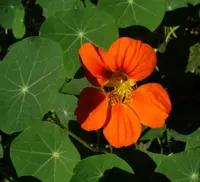
Nasturtium (Tropaeolum majus) is a fast-growing annual flowering plant valued for its bright, funnel-shaped blooms and rounded, shield-like leaves. It often forms low mounds or trailing vines, making it useful for borders, containers, and hanging baskets.

This species originates from the Andes region of South America but is now widely grown in temperate gardens. Flowers and leaves are edible and have a peppery taste, which also attracts interest in kitchen gardens.

Nasturtium is generally easy to grow, tolerating poorer soils and needing only moderate attention once established. Gardeners who learn how to care for nasturtium usually find it adaptable in sunny sites with reasonably well-drained soil.

Main Plant Requirements

Care Difficulty

Easy Care

Light Preference

Full Sun

Water Requirements

Moderate Water

Temperature Preference

Tropical / Frost Sensitive

Hardiness Zone

9–11

Soil Texture

Sandy, Loamy, Organic-rich

Soil pH

Acidic (5.5–6.5), Slightly acidic (6.5–7.0)

Soil Drainage

Well-drained

Fertilization

Minimal (feed rarely)

Get Personalized Care Plan

Scan your plant to receive care tips personalized for your specific plant

Available on iOS and Android

How to Care for the nasturtium

This species performs best in bright, direct light in cool to mild conditions.

  • Provide 6–8 hours of sun daily; morning sun with light afternoon shade helps prevent leaf scorch in hot summers.
  • In hotter regions, give nasturtium dappled or filtered light after 1–2 pm, especially when temperatures exceed 85°F (29°C).
  • In cool or coastal climates, full sun all day is suitable; in short-day seasons, prioritize the sunniest, south-facing or west-facing spot available.

Tropaeolum majus prefers steady soil moisture without remaining waterlogged.

  • Water when the top 3–5 cm of soil feels dry, allowing deeper soil to stay slightly moist during active growth and flowering.
  • Use well-drained soil so excess water runs off; soggy conditions cause yellowing leaves, soft stems, and root rot, especially in heavy clay.
  • In hot, dry weather, check soil every 1–2 days; in cooler or rainy periods, extend intervals and watch for wilting or rolled leaves as signs to water.

This plant grows best in mild, frost-free conditions with moderate summer heat.

  • Optimal growth occurs around 60–75°F (16–24°C), with stable temperatures encouraging continuous flowering and foliage production.
  • Avoid frost, as plants are damaged around 30–32°F (-1–0°C); treat it as a warm-season annual in regions with freezing winters.
  • Tropaeolum majus tolerates short periods up to about 85–90°F (29–32°C) if soil moisture is consistent, but prolonged extreme heat can reduce flowering and stress plants.

This species tolerates a wide humidity range and usually does not need special humidity management indoors or outdoors.

Tropaeolum majus prefers light, free-draining soil that is not overly rich in nutrients.

  • Use a sandy or loamy mix with plenty of coarse material so water drains within a few minutes after watering.
  • Aim for slightly acidic to neutral pH, around 6.0–7.0, which supports nutrient uptake without excess growth.
  • Blend 60–70% general-purpose potting mix with 30–40% sharp sand or fine grit to improve aeration and prevent compaction.
  • Avoid heavy clay, waterlogged spots, or highly fertilized mixes, which encourage lush foliage but reduce flowering and increase rot risk.

This species is well suited to container growing, especially for hanging baskets, window boxes, and patio pots.

  • Choose a wide, shallow to medium-depth pot to give spreading roots and trailing stems room while preventing the mix from staying wet for long periods.
  • Use a relatively lightweight container if you plan to move it, but ensure enough weight or a stable base to prevent trailing growth from tipping it over.
  • Select a slightly porous material such as terracotta if overwatering is likely, as it lets the mix dry faster and reduces root rot risk when caring for nasturtium.

Tropaeolum majus grows best in lean soil and needs only light feeding to avoid excess foliage and weak flowering.

  • Use a mild, balanced liquid fertilizer at 1/4 strength or a thin layer of garden compost in spring.
  • Feed container-grown nasturtium every 4–6 weeks during active growth only.
  • Avoid high-nitrogen products, which promote leaves at the expense of flowers.
  • Stop feeding in late summer and do not fertilize during winter or dormancy.

Pruning Tropaeolum majus is simple and mainly focuses on tidiness and flower production.

  • In spring and throughout the growing season, pinch or trim back straggly shoots to keep a compact, bushy shape.
  • Remove dead, yellowing, or pest-damaged leaves and spent flowers with clean scissors or hand pruners.
  • Thin out crowded stems to improve air flow and reduce fungal problems, especially in humid conditions.
  • Cut back frost-damaged growth at season’s end and remove annual plants after they die back.

Tropaeolum majus is usually grown as a seasonal bedding or container annual, so transplanting is more relevant than long-term repotting.

  • Transplant seedlings outdoors in spring after frost when roots lightly fill cells or small pots but are not circling heavily.
  • Choose a sunny site with well-drained, moderately poor soil and avoid overly rich mixes to maintain compact growth.
  • Handle roots gently, plant at the same depth, and water thoroughly to settle soil and reduce transplant shock.
  • Containers rarely need upsizing in a single season; replace soil and replant with fresh starts each year.

New Tropaeolum majus plants are most commonly raised from seed rather than vegetative methods.

  • Sow seeds in early spring indoors 3–4 weeks before the last frost or directly outside once soil warms.
  • Use a free-draining seed mix, plant seeds 1–2 cm deep, and keep at 60–70°F for reliable germination.
  • Provide bright light and moderate moisture; avoid waterlogging, which can rot swollen seeds.
  • Soft cuttings may root in warm, humid conditions but are less reliable than fresh seed.

In most climates Tropaeolum majus is treated as a frost-tender annual and needs only minimal winter attention.

  • Plants are damaged or killed by hard frost, so expect them to die back at season’s end outdoors.
  • In mild, frost-free areas, a light mulch can protect self-sown seeds and help them reappear in spring.
  • For containers in cold zones, discard spent plants and store or refill pots for replanting next growing season.

Care Tips

Low-nitrogen strategy

Choose a low-nitrogen, higher-phosphorus fertilizer analysis (for example 3-5-7) or mix regular fertilizer at half strength to encourage more flowers and fewer leaves when growing nasturtium.

Support and trailing control

Install light mesh, netting, or a simple string trellis before vines elongate, then loosely tie longer stems with soft ties to keep growth off the ground and reduce slug and rot issues.

Timed flower harvesting

Pick flowers and young leaves every 2–3 days during peak bloom to keep plants producing new buds and to prevent them from putting energy into seed too early in the season.

Managed self-seeding

Allow a few healthy seed pods to mature and drop in late summer only where new plants are welcome, and collect the rest in a labeled paper envelope for controlled re-sowing next year.

Targeted pest barriers

Place beer traps or copper tape around bed edges and avoid dense ground clutter under the plants to reduce slug and snail damage on young, tender growth without using broad-spectrum pesticides.

Common Pests and Diseases

Aphids

These insects cluster on young shoots and flower stems, sucking sap and causing curling, distortion, and sticky honeydew deposits that can attract sooty mold.

Solution

Spray plants with a strong jet of water to dislodge colonies, then use insecticidal soap or a ready-to-use neem oil spray, coating both sides of leaves; remove heavily infested shoots and avoid high nitrogen fertilization that encourages soft, aphid-prone growth when caring for nasturtium.

Cabbage white caterpillars

This pest chews irregular holes in leaves, often leaving only veins and green droppings on lower foliage and soil.

Solution

Hand-pick caterpillars regularly and destroy them, cover plants with fine mesh or row cover to prevent egg laying, and encourage natural predators such as birds by avoiding broad-spectrum insecticides; for severe damage, use a biological control containing Bacillus thuringiensis (Bt) according to label directions.

Leaf miners

These insects tunnel inside leaves, creating winding pale trails that can merge into larger blotches and weaken foliage.

Solution

Inspect plants frequently and remove and dispose of affected leaves before larvae complete their development, keep plants growing vigorously with moderate watering and full sun, and in outdoor beds consider floating row covers early in the season to reduce egg laying on young leaves.

Flea beetles

These insects create many tiny round holes in leaves, giving a shot-hole or lace-like appearance and potentially stunting young seedlings.

Solution

Protect young plants with floating row covers until they are established, keep soil slightly moist and free of weeds that harbor beetles, and use yellow sticky traps or diatomaceous earth around plants as a physical deterrent if damage is persistent.

Downy mildew

This disease causes pale yellow to light green patches on upper leaf surfaces, with grayish or white fuzzy growth underneath in humid conditions, leading to leaf drop if severe.

Solution

Improve air circulation by spacing plants properly, water at soil level in the morning to keep foliage dry, remove and discard infected leaves promptly, and avoid overhead watering; in persistent humid conditions, rotate planting sites each year and avoid reusing contaminated plant debris or mulch.

Interesting Facts

Edible floral spice

The flowers, leaves, and immature seed pods of this species are all edible and have a distinct peppery flavor similar to watercress, due to mustard-like compounds called glucosinolates.

Living pest decoy

Gardeners often use this plant as a trap crop in vegetable beds, because sap-sucking insects such as aphids preferentially colonize it instead of nearby crops like beans or brassicas.

Natural groundcover climber

Its flexible stems can either sprawl to form a fast, dense groundcover or climb over low supports, allowing the same species to fill both horizontal and vertical spaces in a garden bed.

Botan icon

Did you know?

The circular, shield-like leaves of this plant show a clear example of the lotus effect, where microscopic surface structure and a waxy coating cause water droplets to bead and roll off, carrying dust and microbes away and helping the foliage stay clean.

FAQs about nasturtium

All above-ground parts are edible, including leaves, flowers, and immature seed pods. They have a peppery, cress-like flavor and are commonly used fresh in salads, as garnish, or pickled as a caper substitute.

Grow Healthy Plants with Botan Care

Keep your plants happy and healthy with plant identification, disease detection, and easy care guidance.

Botan plant care app — identify plants on mobile

Explore More Plants