Use Vertical Support
Install a sturdy trellis or mesh 1.5–2 m tall early in the season so vines can climb, which improves airflow, reduces foliar disease, and keeps fruits straight and clean.

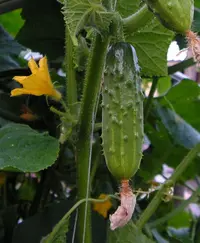
Garden cucumber, Cucumis sativus, is a fast-growing annual vine in the gourd family, valued for its crisp, edible fruits. It climbs or sprawls with soft, branching stems, tendrils, and large rough leaves that create a dense canopy.
This species likely originated in South Asia and is now widely cultivated in home gardens and commercial farms worldwide. It is considered relatively easy to grow, but needs warmth, consistent moisture, and fertile, well-drained soil.
Good air circulation and regular harvesting help maintain plant vigor and fruit quality. Understanding how to care for garden cucumber supports healthy growth and a steady harvest through the warm season.

Care Difficulty
Moderate Care

Light Preference
Full Sun

Water Requirements
Regular Water

Temperature Preference
Tropical / Frost Sensitive

Hardiness Zone
2–11

Soil Texture
Sandy, Loamy, Organic-rich

Soil pH
Acidic (5.5–6.5), Slightly acidic (6.5–7.0)

Soil Drainage
Moist but well-drained

Fertilization
Moderate (every 2–4 weeks)
Scan your plant to receive care tips personalized for your specific plant
Available on iOS and Android
Cucumis sativus needs strong, consistent sun for productive flowering and fruiting.
This species performs best in evenly moist, well-drained soil that never stays waterlogged.
Consistent warmth is essential for strong growth and fruit set in garden cucumber.
Cucumis sativus prefers moderately humid air but usually adapts to typical outdoor conditions.
Cucumis sativus performs best in loose, moist, well-drained soil that warms quickly.
This species is suitable for container growing when given enough root volume and vertical support.
Cucumis sativus is a fast-growing annual that responds well to consistent, moderate nutrition during its productive season.
Pruning Cucumis sativus helps manage vine size, airflow, and fruit quality, especially on trellised plants.
Cucumis sativus is usually transplanted outdoors from small pots or cell trays rather than long-term repotted.
New Cucumis sativus plants are almost always raised from seed rather than from cuttings or division.
Cucumis sativus is a frost-sensitive warm-season annual and does not overwinter outdoors in freezing climates.

Plant Health Check
Not sure what's wrong with your plant? Check your plant's health inside the app.
Cucumber plants produce separate male and female flowers on the same plant, usually with many more male flowers than female ones, which helps ensure abundant pollen for successful fruit set.
Wild and some traditional cucumbers can build up bitter triterpenes called cucurbitacins in leaves, stems, and sometimes fruit, which act as a chemical defense against herbivores and some pests.
Genetic and archaeological evidence indicates that cucumber was domesticated in South Asia thousands of years ago and then spread along trade routes to the Middle East, Mediterranean, and eventually Europe and the Americas.

Cucumber fruits are botanically classified as pepos, a type of berry with a hard outer rind and fleshy interior, similar in basic structure to pumpkins and melons despite their very different culinary uses.
Yellowing leaves usually come from nitrogen deficiency, overwatering, or natural aging of the oldest foliage. Check soil drainage, avoid waterlogged conditions, and provide a balanced fertilizer. Heavy fruiting vines may also shed older leaves as resources shift to fruits.
Keep your plants happy and healthy with plant identification, disease detection, and easy care guidance.