Berry Identification
Identify Berries by Photo in Seconds
A berry identifier helps you recognize plants quickly using a photo. Use it to identify berries in the wild or in your garden.
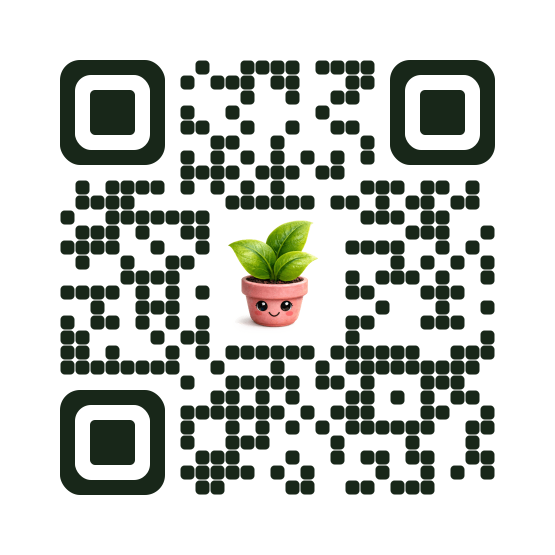

Identify Berries by Photo in Seconds
A berry identifier helps you recognize plants quickly using a photo. Use it to identify berries in the wild or in your garden.

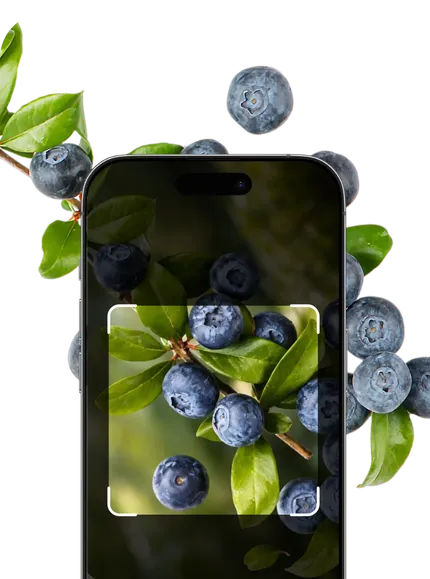

Plant Identifier Online for Free
Use easy-to-see images for the best plant ID results. Try not to take photos from very far away.
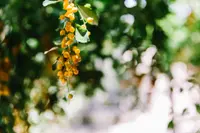
Sky flower
Duranta erecta
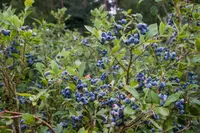
Highbush blueberry
Vaccinium corymbosum
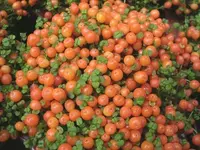
Beadplant
Nertera granadensis
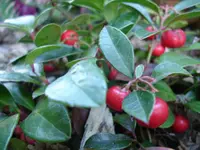
Wintergreen
Gaultheria procumbens
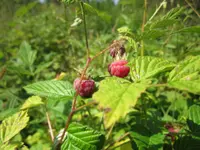
Raspberry
Rubus idaeus
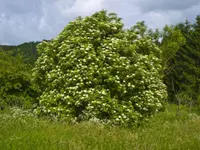
Elder
Sambucus nigra
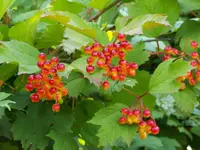
Snowball tree
Viburnum opulus

hawthorn
Crataegus monogyna
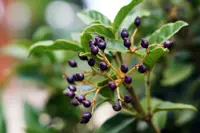
black chokeberry
Aronia melanocarpa

American black elderberry
Sambucus canadensis
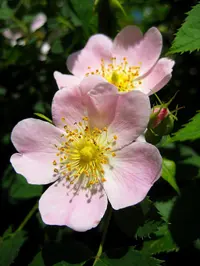
dog rose
Rosa canina
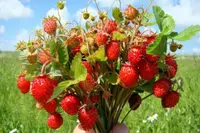
Virginia strawberry
Fragaria virginiana
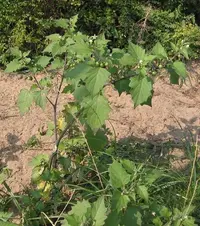
black nightshade
Solanum nigrum
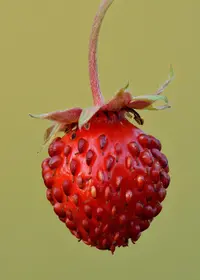
wild strawberry
Fragaria vesca
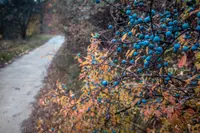
Canadian serviceberry
Amelanchier canadensis
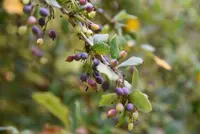
common serviceberry
Amelanchier arborea
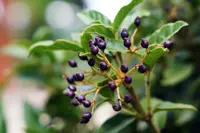
Saskatoon serviceberry
Amelanchier alnifolia
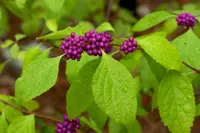
American beautyberry
Callicarpa americana
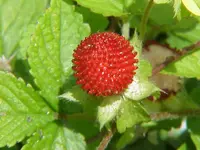
mock strawberry
Potentilla indica
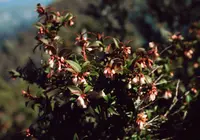
evergreen huckleberry
Vaccinium ovatum
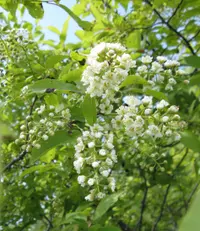
chokecherry
Prunus virginiana
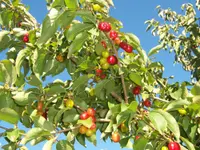
Cornelian cherry
Cornus mas
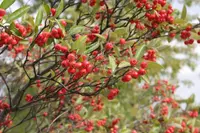
red chokeberry
Aronia arbutifolia
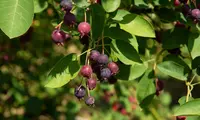
Allegheny serviceberry
Amelanchier laevis
Accurate berry identification depends on a few visible features. The most useful ones are color, leaf shape, fruit arrangement, and overall plant structure.
Color is usually the first thing you notice — a useful starting point when comparing similar species, but rarely enough on its own.
Natural pigments produced by the plants determine these colors. Blue and purple shades are usually caused by anthocyanins, while yellow tones are linked to carotenoids. Green color is typically associated with chlorophyll.
Lighting conditions can affect how color appears in a photo. Shade, direct sunlight, or camera exposure may slightly change the visible tone, so comparing several images can give a clearer result.
In most cases, fruit appears together with leaves, except during winter in species such as guelder rose or winterberry. This makes leaf shape a key feature for accurate identification.
Leaves often provide more reliable information than the fruit itself. They help distinguish edible species from similar-looking ones.
Leaf structure is one of the most consistent features used in berry plant identification. The arrangement adds another layer of detail. Leaves may grow alternatively along the stem or appear in opposite pairs, and this difference can help distinguish similar species.
The way fruit develops and attaches to the plant is one of the most reliable identification clues.
For example, bright red fruit growing tightly along the stem rather than in loose clusters may indicate daphne (Daphne mezereum). In this case, it is attached directly to the branch in small groups.
Fruit position may also change as it develops. In some species, it appears upright at early stages and becomes hanging as it matures, so observing several samples on the same plant can help confirm the pattern.
Observing the whole plant helps confirm identification. Similar berries can grow on very different plant types:
Growth habit often reflects how a plant adapts to its environment and helps determine the species ID. The same form may appear more compact in one location, and more spread out in another, which can change how it is recognized.
Photo quality directly affects identification accuracy. Clear images allow the scanner to detect features and improve recognition. Focus on one part of the plant at a time.
What to photograph | Why it helps |
Leaves | Helps confirm shape and arrangement |
Cluster | Shows how the fruit grows and attaches to the stem |
Whole plant | Provides context, such as a shrub or a tree |
Close-up | Shows surface texture and color variation |
Stem and branch | Helps detect structure and growth pattern |
Botan can support berry identification and show similar species, but edibility requires additional verification. Some toxic plants look very similar to edible ones, so always check more than one source before consuming.