Sucker Management
Inspect the base of the plant 2–3 times per season and promptly cut out any vigorous root suckers at ground level to keep the shrub’s shape controlled and flowering wood strong.

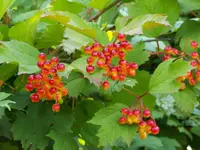
The snowball tree, Viburnum opulus, is a deciduous shrub known for its round clusters of white, hydrangea-like flowers in spring. As it matures, it forms a dense, bushy shape with attractive lobed leaves that often turn red in autumn.
This species is native to Europe, North Africa, and parts of Asia, but is widely grown in gardens in temperate regions. It produces bright red berries after flowering, which add seasonal interest.
Viburnum opulus is generally considered easy to grow, as it adapts to many garden soils and tolerates cold climates well. It prefers sun to light shade and evenly moist soil, which helps when planning how to care for Snowball tree.

Care Difficulty
Easy Care

Light Preference
Full Sun

Water Requirements
Regular Water

Temperature Preference
Cold Hardy

Hardiness Zone
3–8

Soil Texture
Loamy, Clay, Organic-rich

Soil pH
Acidic (5.5–6.5), Slightly acidic (6.5–7.0)

Soil Drainage
Moist but well-drained

Fertilization
Minimal (feed rarely)
Scan your plant to receive care tips personalized for your specific plant
Available on iOS and Android
Viburnum opulus prefers bright conditions with some protection from harsh afternoon sun to flower and grow well.
Water needs for Viburnum opulus focus on steady soil moisture without prolonged saturation.
This hardy shrub tolerates a wide temperature range but performs best in moderate conditions.
Humidity is rarely a limiting factor for Viburnum opulus grown outdoors in typical garden conditions.
Viburnum opulus prefers consistently moist, fertile, well-structured soil to support strong growth and flowering.
This species can be grown in large containers outdoors if given enough root space and stability.
Viburnum opulus is not a heavy feeder but responds well to modest, well-timed nutrition when grown as a garden Snowball tree.
Thoughtful pruning improves Viburnum opulus structure, health, and flowering display.
This shrub is usually grown in the ground, so care focuses on transplanting young Viburnum opulus plants rather than frequent repotting.
Gardeners commonly multiply Viburnum opulus using softwood or semi-ripe cuttings and simple layering.
This deciduous shrub is generally cold hardy and needs only modest winter care in most temperate gardens.

Plant Health Check
Not sure what's wrong with your plant? Check your plant's health inside the app.
The bright red fruits are mildly toxic to humans but are an important late-season food for specialist frugivores such as thrushes, which can digest them and disperse the seeds effectively.
Its showy flower clusters start as tight spherical heads, then become flattened as the sterile outer flowers open around a central ring of fertile flowers, a structure that increases pollinator attraction while protecting reproductive parts.
This species naturally occurs along stream banks, damp woods, and wet meadows across much of Europe and western Asia, where its shallow but spreading root system stabilizes soil and reduces erosion in seasonally flooded sites.
In some Eastern European regions, particularly Ukraine and Russia, this species (known locally as kalyna) holds strong cultural symbolism and appears in folk songs, embroidery patterns, and national motifs as a plant associated with identity, resilience, and seasonal cycles.
Lack of flowers often comes from pruning at the wrong time, excessive shade, or nutrient imbalance. This shrub blooms on old wood, so heavy pruning in late fall or spring removes buds and reduces flowering.
Keep your plants happy and healthy with plant identification, disease detection, and easy care guidance.