mohintli Care (Justicia spicigera)

Also known as: Mexican Honeysuckle
mohintli

About mohintli

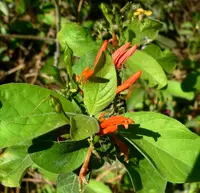
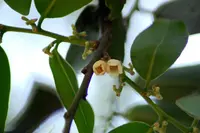
Mohintli, known botanically as Justicia spicigera, is a tropical flowering shrub valued for its bright orange tubular blooms and dense green foliage. It typically grows as a bushy, medium-height plant with a soft, leafy texture.

This species is native to Mexico and Central America, where it thrives in warm, frost-free climates and attracts hummingbirds and other pollinators. In gardens or containers, it prefers bright light, moderate moisture, and well-drained soil.

Gardeners generally find it forgiving and adaptable, which makes it suitable for beginners who want to learn how to care for mohintli without complex routines.

Main Plant Requirements

Care Difficulty

Easy Care

Light Preference

Partial Sun

Water Requirements

Regular Water

Temperature Preference

Tropical / Frost Sensitive

Hardiness Zone

9–11

Soil Texture

Sandy, Loamy, Organic-rich

Soil pH

Acidic (5.5–6.5), Slightly acidic (6.5–7.0)

Soil Drainage

Moist but well-drained

Fertilization

Light (every 4–6 weeks)

Get Personalized Care Plan

Scan your plant to receive care tips personalized for your specific plant

Available on iOS and Android

How to Care for the mohintli

Justicia spicigera thrives in bright outdoor conditions with protection from harsh midday sun.

  • Provide 4–6 hours of direct morning sun with light afternoon shade; eastern exposure suits mohintli well.
  • In hot summers, use filtered light or dappled shade from 12–4 p.m. to prevent leaf scorch and faded flowers.
  • If stems grow long and sparse or flowering decreases, the plant is not getting enough light; move it to a brighter spot, especially in winter.

Justicia spicigera prefers evenly moist, well-drained soil that never stays soggy for long periods.

  • Water when the top 3–5 cm of soil feels dry, soaking the root zone deeply, then let excess drain away.
  • Reduce watering in cool seasons when growth slows, but do not allow the root area to dry completely for more than 1–2 days.
  • Watch for yellowing, mushy stems as a sign of overwatering, and crisp, drooping leaves or leaf drop as a sign of underwatering.

This species grows best in warm, frost-free climates with mild seasonal changes.

  • Aim for 65–85°F (18–29°C) for active growth; flowering is strongest toward the warmer end of this range.
  • Protect from cold; sustained temperatures below 40°F (4°C) damage foliage, and hard frost can kill stems to the ground.
  • In very hot periods above 95°F (35°C), provide afternoon shade and extra mulch to keep roots cooler and reduce heat stress.

This species adapts to typical indoor humidity but benefits from slightly moist air.

  • Aim for 40–60% humidity to keep leaves lush and reduce edge browning.
  • The plant tolerates drier air but prolonged levels below 30% can cause curled, crispy leaf edges and slower growth.
  • Increase humidity with a pebble tray or grouping plants; avoid misting mohintli heavily if foliage stays wet for hours.

This shrub prefers loose, moisture-retentive but fast-draining soil that allows roots to breathe.

  • Use a loamy, organic-rich mix, such as 2 parts all-purpose potting mix, 1 part compost, and 1 part perlite or coarse sand.
  • Ensure water drains through quickly; soggy, compacted soil increases the risk of root rot and stunted Justicia spicigera growth.
  • Maintain slightly acidic to neutral pH around 6.0–7.0, which supports nutrient availability and healthy foliage color.
  • Improve aeration by incorporating chunky materials like pine bark fines and avoiding heavy, clay-based garden soil in pots.

This species is well suited to container growing outdoors or on patios.

  • Choose a wide, stable pot to support its bushy, somewhat top-heavy growth in windy or exposed spots.
  • Select a pot material that matches your climate; unglazed clay dries faster, which helps in humid regions, while plastic retains moisture longer in hot, dry areas.
  • Elevate the container on pot feet so drainage holes stay clear and excess water exits quickly after heavy rain or deep watering sessions.

Justicia spicigera responds well to modest, consistent feeding during the warm growing season.

  • Apply a balanced liquid fertilizer (for example 10-10-10) at 1/2 strength every 4–6 weeks from spring to early fall.
  • Alternatively, use a slow-release granular fertilizer in spring, following the label rate for flowering shrubs.
  • In rich garden soil, supplement with a thin layer of compost instead of frequent synthetic feeding.
  • Stop feeding in late fall and winter, as growth slows and extra nutrients can cause weak, leggy shoots.

Pruning helps Justicia spicigera stay compact and produce more flowers.

  • Carry out main pruning in late winter or very early spring before vigorous new growth starts.
  • Use clean, sharp hand pruners to remove dead, damaged, or crossing stems back to healthy tissue.
  • Shorten long, straggly shoots by 1/3 to promote bushier side branching and heavier blooming.
  • Light trimming after each main flush of flowers helps maintain shape without exhausting the plant.

This shrub handles container culture and garden transplanting well when moved at the right time.

  • Repot or transplant every 2–3 years, or when roots circle the pot, drainage slows, or growth declines.
  • Choose late spring, once frost risk has passed and steady warmth supports new root growth.
  • Shift into a pot 2–5 cm wider with free-draining mix, or into well-drained soil enriched with compost.
  • Water thoroughly after moving, then keep evenly moist and shaded from harsh sun for 5–7 days to limit transplant stress.

New Justicia spicigera plants are most often produced from stem cuttings.

  • Take 8–12 cm softwood or semi-ripe cuttings in late spring or summer from non-flowering shoots.
  • Remove lower leaves, dip the cut end in rooting hormone, and place in a moist, free-draining medium.
  • Maintain bright, indirect light, high humidity, and temperatures around 70–80°F for steady rooting.
  • For growing mohintli outdoors, harden off rooted cuttings gradually before planting into the garden.

This warm-climate shrub is frost-tender and benefits from thoughtful winter preparation in cooler regions.

  • In USDA zones 9–11 it may stay evergreen, needing only light cleanup of damaged tips after cold spells.
  • Where light frosts occur, apply 5–8 cm of mulch around the root zone, keeping it slightly away from stems.
  • In colder climates, grow in containers and move plants indoors to a bright, frost-free room before temperatures drop near 40°F.

Care Tips

Encourage Bushy Shape

Pinch back soft shoot tips every 3–4 weeks in the growing season to trigger side branching and create a compact, floriferous shrub rather than a lanky plant.

Timed Hard Pruning

Carry out a harder structural prune at the end of winter, removing up to one-third of the oldest, woodiest stems at the base to refresh growth and improve flowering on younger stems.

Flowering Cycle Support

After each strong bloom flush, remove spent flower clusters and apply a light top-up of compost around the root zone to maintain steady nutrient availability for the next flowering cycle.

Wind And Lean Management

If stems lean or sprawl, install discreet, short stakes and loosely tie stems with soft ties, then gradually retrain growth upright over several weeks to avoid breakage in wind or heavy rain.

Cold Season Protection

In regions with cool winters, mulch the root zone with 5–8 cm of organic material and, for container plants, move pots against a warm wall or indoors to reduce cold stress and support long-term growing mohintli.

Common Pests and Diseases

Spider mites

This pest often appears during hot, dry conditions and feeds on the undersides of leaves, causing speckling, dull foliage, and fine webbing. Symptoms include slowed growth and leaves that look dusty or faded gray-green.

Solution

Rinse foliage thoroughly with a strong but gentle stream of water, especially the leaf undersides, and repeat every few days until activity drops. If needed, apply insecticidal soap or neem oil, improve humidity around the plant, and avoid water stress to reduce future outbreaks.

Whiteflies

These insects gather on the undersides of Justicia spicigera leaves and fly up in a small cloud when the plant is disturbed. Symptoms include sticky honeydew on leaves, sooty mold growth, and general decline in vigor.

Solution

Use yellow sticky traps to monitor and reduce adult numbers, and regularly hose down the plant to dislodge nymphs from leaf undersides. For heavier infestations, treat foliage with insecticidal soap or neem oil in the early morning and repeat at 5–7 day intervals until new growth appears clean.

Aphids

These insects cluster on young stems and flower buds, sucking sap and causing distorted new growth and sticky honeydew. Symptoms include curling leaves, reduced flowering, and black sooty mold on the honeydew deposits.

Solution

Prune off heavily infested shoot tips and rinse remaining stems and leaves with water to knock aphids off. Follow with spot treatments using insecticidal soap or neem oil, and encourage natural predators such as lady beetles by avoiding broad-spectrum insecticides.

Leaf spot

This disease causes small brown or tan spots with darker margins on the leaves, sometimes enlarging and leading to premature leaf drop in humid, warm conditions. Symptoms include thinning foliage and reduced ornamental quality.

Solution

Remove and discard affected leaves promptly and avoid overhead watering so foliage dries quickly. Improve airflow around the plant and, in severe or recurrent cases, use a copper or chlorothalonil-based fungicide according to label directions, focusing on new growth.

Powdery mildew

This disease appears as a white, powdery film on upper leaf surfaces, especially in shaded, humid locations with poor airflow. Symptoms include distorted growth and reduced flowering over time.

Solution

Increase light and air movement around the plant, and avoid crowding it against walls or dense shrubs. Remove heavily affected leaves and, if needed, apply a labeled sulfur or potassium bicarbonate fungicide, making sure leaves dry quickly after treatment for effective Justicia spicigera care.

Interesting Facts

Aztec dye source

Indigenous cultures in Mexico, including the Aztecs, used the orange flowers and leaves of this species to produce a stable orange dye for textiles and body coloration.

Hummingbird specialist

In its native range, the long tubular flowers are primarily pollinated by hummingbirds, whose slender bills match the flower shape and allow efficient nectar access.

Warm‑season bloomer

This shrub tends to flower most heavily during warm months, often producing repeated flushes of bright orange blooms in climates with mild winters.

Botan icon

Did you know?

Ethnobotanical studies in Mexico document that rural communities traditionally used leaf infusions of this species as a natural fabric rinse to help brighten and refresh white cotton textiles, reflecting its long-standing cultural role beyond ornamental use.

FAQs about mohintli

Lack of blooms usually comes from insufficient light, heavy or poorly drained soil, or excess nitrogen fertilizer. Light pruning after flowering and stable warmth also support bud formation when following general Justicia spicigera care guidelines.

Grow Healthy Plants with Botan Care

Keep your plants happy and healthy with plant identification, disease detection, and easy care guidance.

Botan plant care app — identify plants on mobile

Explore More Plants