Fern Identification
Learn What Fern This Is With a Single Photo
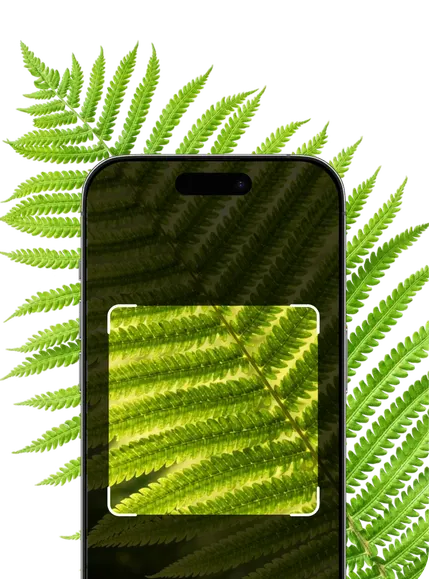
Identification of fern species takes just 1-3 seconds with the Botan app. Take a photo of the plant, learn its name, toxicity, and invasive status, and get science-based care tips.


Learn What Fern This Is With a Single Photo
Identification of fern species takes just 1-3 seconds with the Botan app. Take a photo of the plant, learn its name, toxicity, and invasive status, and get science-based care tips.


Plant Identifier Online for Free
Use easy-to-see images for the best plant ID results. Try not to take photos from very far away.
 POPULAR
Bird's nest ferns
Asplenium nidus
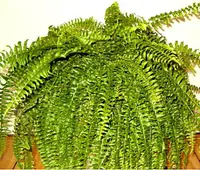 POPULAR
Southern Sword Fern
Nephrolepis exaltata
-1-200x150.webp) POPULAR
POPULARTasmanian tree fern
Dicksonia antarctica
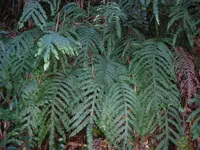 POPULAR
Blue star fern
Phlebodium aureum
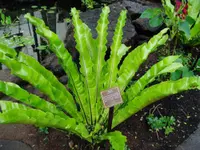 POPULAR
Japanese bird's-nest fern
Asplenium antiquum
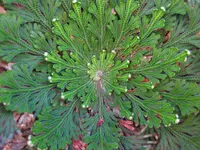
Rose of Jericho
Selaginella lepidophylla
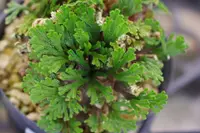
Peacock Moss
Selaginella uncinata
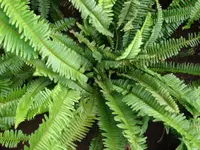
Tuberous sword fern
Nephrolepis cordifolia
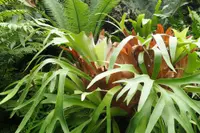
Elkhorn Fern
Platycerium bifurcatum
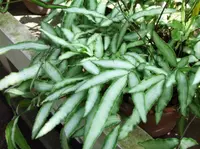
Ribbon Ferns
Pteris cretica
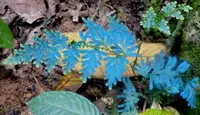
Peacock Fern
Selaginella willdenowii
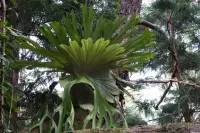
Staghorn Fern
Platycerium superbum
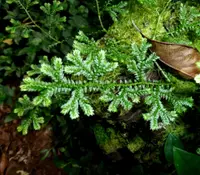
Krauss's Clubmoss
Selaginella kraussiana
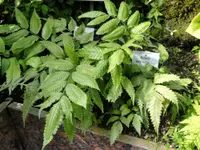
Bolbitis heteroclita
Bolbitis heteroclita
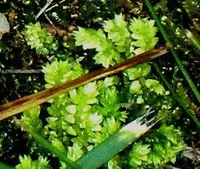
Meadow spikemoss
Selaginella apoda
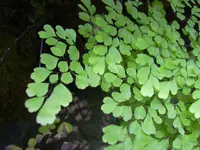
Delta maidenhair fern
Adiantum raddianum
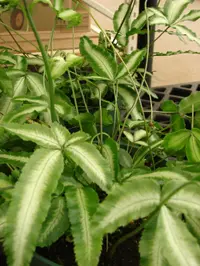
slender brake
Pteris ensiformis
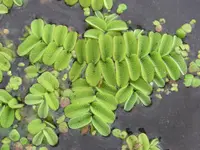
Floating fern
Salvinia natans
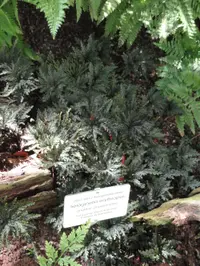
Selaginella erythropus
Selaginella erythropus
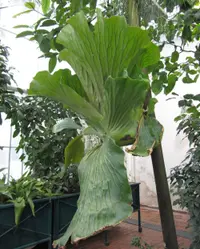
Angola staghorn fern
Platycerium elephantotis
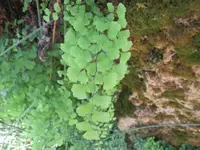
Black maidenhair fern
Adiantum capillus-veneris
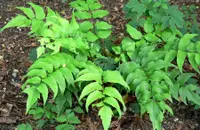
Holly Fern
Cyrtomium falcatum
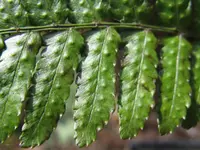
Autumn fern
Dryopteris erythrosora
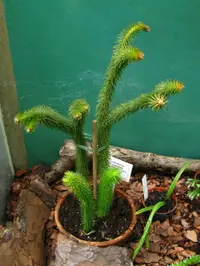
Huperzia squarrosa
Huperzia squarrosa
The fern ID process should never be random. If you’re asking yourself, “What kind of fern is this?”, you need to focus on specific features to narrow down to the right species.
The list can be long. For example, it can include the shape of the protective cover, the color and texture of the stems, and the venation pattern.
However, we’re going to focus on the three categories of features that make the most difference: leaf structure, spore arrangement, and growth habit.
If you want to identify a fern, start with its leaves, also called fronds. But don’t focus on color or size. Evaluate its structure by the number of times the blade is divided and the overall division pattern.
The most common types include:
The structure alone won’t lead you directly to a single family or group, but it will help you eliminate wrong options and understand exactly where to look for spore clusters.
Take a close look at the underside of the leaf. There, you’ll see sori — spore-producing structures that can appear as:
Note that the age of sori matters a lot. Immature, green ones can be almost unrecognizable. If you don’t see them, it’s likely because they're in an early growth phase.
Also, pay attention to how the plants grow.
For example, some terrestrial species (e.g., Christmas or Western Sword fern) consist of many fronds growing from a single rhizome, forming a rosette pattern.
Some (e.g., licorice and hay-scented ferns) have individual fronds, a scattered growth form, and often a branching root system.
There are also epiphytic species that grow on other plants and aquatic ferns that grow in the water. Those are rarer and look different from other species in the group.
Now you know how to identify ferns, but examples make a real difference.
Let’s take a look at how plant recognition may work in practice with some of the most common species.
Botanical Name / Common Name | Key Features | Natural Habitat |
Pteridium aquilinum (Bracken Fern) | 3-pinnate, divided triangular leaves, new fronds curled in a spiral, narrow lines of spores on the underside | Open & sunny roadsides, forest edges, hillsides, old fields |
Athyrium filix-femina (Lady Fern) | 2-pinnate, lance-shaped fronds, rosette growth pattern, curved spore clusters | Shady banks, damp woods, wet ditches |
Dryopteris dilatata (Broad Buckler-Fern) | Heavily divided, 2- or 3-pinnate fronds, circular spore clusters, two-toned scales running down the stalks | Shady woodlands, hedgerows, rocky slopes |
Osmunda regalis (Royal Fern) | Broad, 2-pinnate leaves, brown, tassel- or flower-like spore clusters on fertile fronds (separate from non-fertile leaves) | Riverbanks, bogs, wet woodland edges |
Polystichum acrostichoides (Christmas Fern) | Fountain-like clumps of once-pinnate fronds, scaly stalk, separate leaflets with circular dots of spores | Moist to moderately dry but shady woodland slopes and rocky hillsides |
These species look similar at first glance — pay attention to details such as frond structure or growth pattern to identify them correctly.
Knowing the group's most distinctive features and examples definitely helps with identification. But there are roughly 15,000 species to recognize — for accurate results, the Botan fern identifier still works best.
Our app offers the following benefits:
With the Botan detector, species ID takes seconds. The result comes with advice useful to both beginners and pros.
It's possible — our scanner is trained on fiddlehead images. However, many species look very similar at this stage, so accuracy may be lower without additional features: frond shape, structure, plant color, spore clusters, etc. For best results, photograph the entire plant or a mature frond.