Manage Bulbils
Check fronds regularly for small plantlets (bulbils) and remove most of them so the parent fronds are not weighed down, keeping only a few strong ones for propagation or a fuller clump.

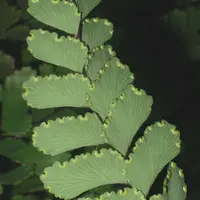
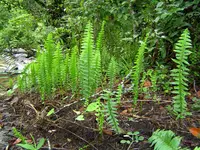
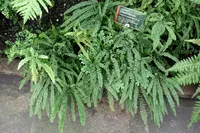
Mother fern, Asplenium bulbiferum, is an evergreen fern valued for its finely divided, lacy fronds and graceful, arching habit. It forms a soft, full clump that suits indoor pots and shaded outdoor spots in mild climates.
This species is native to New Zealand and nearby regions, where it grows in moist, shaded forests. A notable feature is its ability to produce small plantlets on the fronds, which can root and form new plants.
Mother fern prefers consistent moisture, high humidity, and protection from direct hot sun, so care for mother fern is slightly more demanding than for many common houseplants.

Care Difficulty
Moderate Care

Light Preference
Partial Shade

Water Requirements
Keep Soil Moist

Temperature Preference
Tropical / Frost Sensitive

Hardiness Zone
9–11

Soil Texture
Loamy, Peaty, Organic-rich

Soil pH
Acidic (5.5–6.5), Slightly acidic (6.5–7.0)

Soil Drainage
Moist but well-drained

Fertilization
Light (every 4–6 weeks)
Scan your plant to receive care tips personalized for your specific plant
Available on iOS and Android
Asplenium bulbiferum prefers soft, filtered light that mimics a forest understory.
Asplenium bulbiferum needs evenly moist but not waterlogged soil.
This fern prefers consistently mild temperatures without sharp swings.
This fern prefers steadily moist air and reacts quickly to dry indoor conditions.
This fern needs a loose, moisture-retentive but fast-draining mix rich in organic matter.
This species grows very well in containers when moisture and stability are managed carefully.
Asplenium bulbiferum benefits from modest, consistent feeding during active growth.
Pruning Asplenium bulbiferum focuses on hygiene and maintaining a tidy, arching form rather than reshaping the plant.
This fern prefers slightly snug pots, so repot only when clear signs appear.
This fern is commonly multiplied from the small plantlets that form on mature fronds.
This fern dislikes frost and needs protection in regions with cold winters.

Plant Health Check
Not sure what's wrong with your plant? Check your plant's health inside the app.
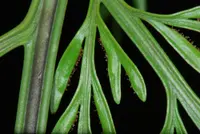
This fern produces small plantlets directly on the upper surface of its fertile fronds, especially along the midrib, which drop off and root to form new plants, a form of vegetative reproduction called bulbils.
It is naturally distributed in New Zealand, where it grows on damp forest floors, banks, and shaded rocky slopes, often forming part of the understory layer beneath taller trees.
In its native range it can hybridize with a closely related species, Asplenium gracillimum, leading to naturally occurring hybrid populations that show intermediate frond shapes and growth habits.

In traditional Māori culture in New Zealand, the young fronds of this fern, known as mouku, were historically used as a leafy green food, boiled or steamed and eaten alongside root crops such as kūmara (sweet potato).
Brown tips or leaf edges usually result from low humidity, inconsistent watering, or fertilizer burn. Crisp brown areas suggest dry air or drought stress, while soft, dark patches point to overwatering or poor drainage damaging the roots.
Keep your plants happy and healthy with plant identification, disease detection, and easy care guidance.