Tropical Plant Identification
Recognize Any Tropical Plant by Photo
Fast and accurate tropical plant identification by photo. Use our scanner in the Botan app and get species ID.


Recognize Any Tropical Plant by Photo
Fast and accurate tropical plant identification by photo. Use our scanner in the Botan app and get species ID.

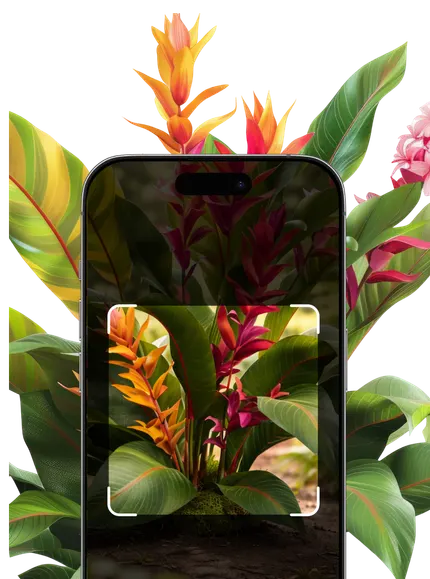

Plant Identifier Online for Free
Use easy-to-see images for the best plant ID results. Try not to take photos from very far away.
 POPULAR
Monstera
Monstera deliciosa
 POPULAR
Money Tree
Pachira aquatica
 POPULAR
Wandering Jew
Tradescantia zebrina
 POPULAR
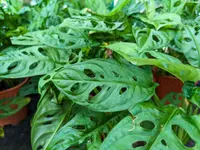
Swiss Cheese Vine
Monstera adansonii
 POPULAR
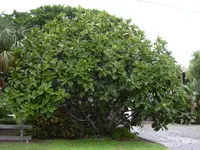
Fiddleleaf Fig
Ficus lyrata
 POPULAR
Polka Dot Begonia
Begonia maculata
 POPULAR
ZZ Plant
Zamioculcas zamiifolia
 POPULAR
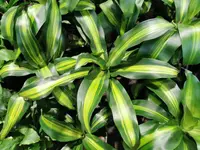
Corn Plant
Dracaena fragrans
 POPULAR
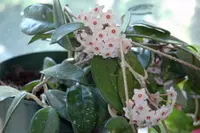
Wax Plant
Hoya carnosa
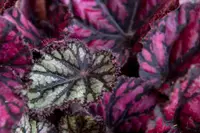 POPULAR
King Begonia
Begonia rex
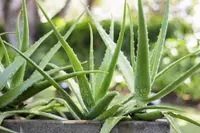 POPULAR
Aloe
Aloe vera
 POPULAR
Baby Rubberplant
Peperomia obtusifolia
 POPULAR
Weeping Fig
Ficus benjamina
 POPULAR
Queen of The Night
Epiphyllum oxypetalum
 POPULAR
Purple Heart
Tradescantia pallida
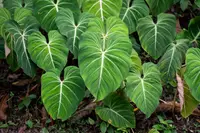 POPULAR
Philodendron gloriosum
Philodendron gloriosum
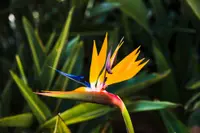 POPULAR
Giant White Bird of Paradise
Strelitzia nicolai
 POPULAR
Hoya Hearts
Hoya kerrii
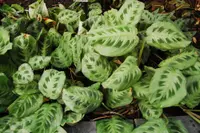 POPULAR
Prayerplant
Maranta leuconeura
 POPULAR
Lucky Bamboo
Dracaena sanderiana
 POPULAR
False Shamrock
Oxalis triangularis
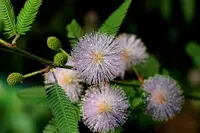 POPULAR
Sensitive Plant
Mimosa pudica
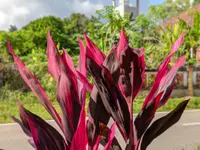 POPULAR
Ti Plant
Cordyline fruticosa
 POPULAR
Mini Monstera
Rhaphidophora tetrasperma
It’s easy to get confused, wondering, “What tropical plant do I have?" The key is in knowing what to look for. There are three main features: leaf shape, growth habit, and foliage patterns, which are essential for correct and quick recognition.
Let’s dive a little deeper into what you should pay attention to in each of the three categories, both for indoor and outdoor species.
Main Features You See | Distinctive feature | Common Example |
A bushy evergreen shrub with ovate, teardrop leaves and an alternate leaf arrangement. | Jagged edges of the leaf are called serrations. | Tropical hibiscus (Hibiscus rosa-sinensis) |
A plant with long, broad, and slightly tapered leaves with an upright clumping growth habit and a distichous (crown-like) pattern. | Crown-like foliage and bright orange and yellow, bird-like blooms. | Bird of paradise (Strelitzia) |
A climbing vine with heart-shaped leaves and an alternate leaf pattern. | Fenestrations (splits) of the heat-shaped leaves | Swiss cheese plant (Monstera deliciosa) |
A plant with lanceolate to elliptical leaf shape. It has a classic acaulescent (stemless), clumping growth habit and basal rosette pattern of foliage. | White “flower,” which is actually a modified leaf called a spathe. Actually, flowers are inside the white leaf and are tiny. They form a central spadix. | Peace lily (Spathiphyllum) |
A simple leaf type makes up ⅘ of all tropical plants compared to ⅕ of the compound type. But the detailed leaf classification distinguishes over 70 types of leaf shapes. Yet, the most common are:
Shape is the most important part of tropical plant identification by leaf, but leaf veins can also hold a lot of information. They are most commonly divided into pinnate, netted, and palmate.
There are 11 common types of growth habits that are recognized in tropical plants:
Also, there’s another growth form classification that divides plants into:
Tropical regions have high biodiversity, which has led to research and, consequently, different classifications. Both options we chose are popular and reliable sources of information used for the correct identification of tropical plants.
The pattern of leaves, also known as phyllotaxy, is an excellent final point in the diagnostic check. Here are the most common types:
Also, fenestration is quite common for tropical plants. It naturally occurs in the Swiss cheese plant. And the drip tips of leaves are typical for tropical species, as they help to shed water rapidly.
The breadth of the category is the challenging aspect for anyone who wants to identify tropical plants manually. But Botan makes the AI-driven process more precise and fast.
You get no guessing, only science-based recognition and professional care tips or treatment advice (if needed). And the best thing is that the app is always within easy reach, so you can find answers quickly, wherever you are.
Yes, the Botan detector accurately identifies tropical species from leaf photos. Just snap a photo or upload from your gallery.