Tree Identifier
Snap a Photo to Identify Any Tree in Seconds
Botan is a tree identifier that gives you a plant’s name, care tips, and treatment guide instantly. Explore the plants around you.


Snap a Photo to Identify Any Tree in Seconds
Botan is a tree identifier that gives you a plant’s name, care tips, and treatment guide instantly. Explore the plants around you.
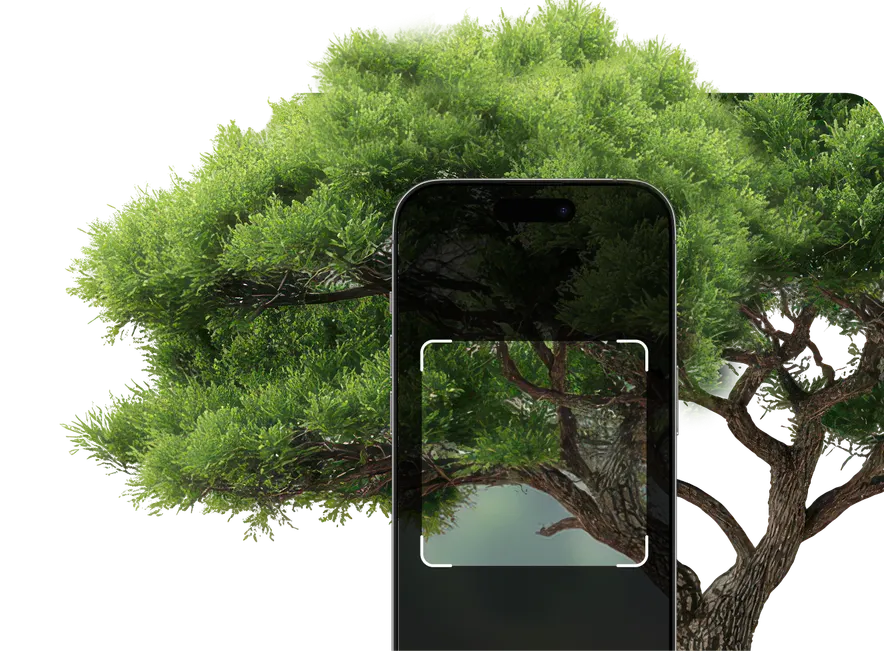


Plant Identifier Online for Free
Use easy-to-see images for the best plant ID results. Try not to take photos from very far away.
 POPULAR
Money Tree
Pachira aquatica
 POPULAR
Fiddleleaf Fig
Ficus lyrata
 POPULAR
Weeping Fig
Ficus benjamina
 POPULAR
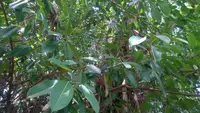
Giant White Bird of Paradise
Strelitzia nicolai
 POPULAR
Rubber Tree
Ficus elastica
 POPULAR
Chinese Banyan
Ficus microcarpa
 POPULAR
Council Tree
Ficus altissima
 POPULAR
Pygmy Date Palm
Phoenix roebelenii
 POPULAR
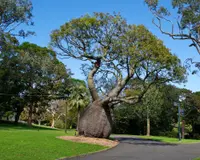
Queensland bottle tree
Brachychiton rupestris
 POPULAR
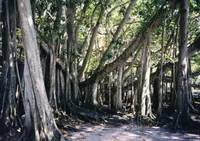
Cushion Aloe
Ficus benghalensis
 POPULAR
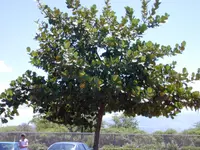
Autograph tree
Clusia rosea
 POPULAR
Cabbage tree
Cordyline australis
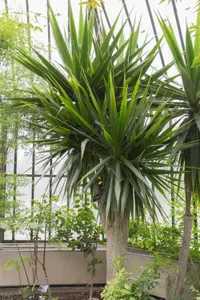
African Dragon Tree
Dracaena arborea
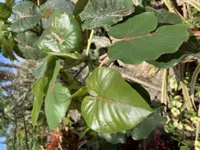
Rock fig
Ficus petiolaris
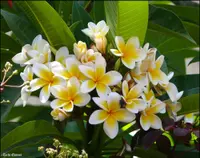
Mexican Plumeria
Plumeria rubra
Mexican Frankincense
Bursera fagaroides
 POPULAR
Norfolk Island Pine
Araucaria heterophylla
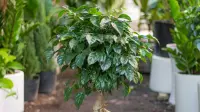 POPULAR
China Doll
Radermachera sinica
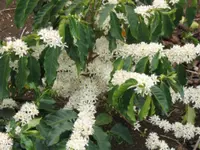
Arabica coffee
Coffea arabica
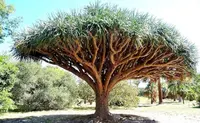
Canary Islands dragon tree
Dracaena draco

Candelabra tree
Euphorbia ingens
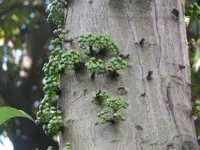
Common Red-stem Fig
Ficus variegata
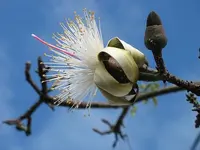
Shaving Brush Tree
Pseudobombax ellipticum

Japanese maple
Acer palmatum
What kind of tree is this? With the Botan scanner, you get the answer instantly through a simple, step-by-step process:
Tree identification by picture is instant. Most processes are handled behind the scenes by advanced technology.
Now you know how to identify a tree from a photo using Botan, but accurate identification is never based on random patterns.
It relies on recognition of specific features: over 20 leaf types and subtypes, along with fruits and seeds, trunk structure, and bark patterns. It is best illustrated in the table below, with a few common features and corresponding examples:
What You See | Possible Tree Types | Common Example |
Simple, opposite, lobed leaves with toothed edges | Maple family | |
Evergreen needles in bundles | Pine family | |
Bark coming off in strips or sheets | Birch family | |
Furrowed bark with deep vertical grooves | Oak family | |
Winged, helicopter-like seeds | Oleaceae family | |
Red clusters of small, showy fruits | Dogwood family |
In most cases, you can identify a tree from a leaf photo quite accurately. After all, leaves are the most visible and distinctive part of the plant, but they also come in many shapes and structures. A scientifically proven, step-by-step method can help you analyze them:
After you evaluate the features, combine them.
For example: If the leaf is simple → alternate → lobed → ovate or oblong, it’s likely an oak.
However, it’s important to evaluate the trunk structure, bark patterns, and seeds or fruit to determine the correct answer.
Trunk structure won’t tell you the exact species, but it will help you narrow the search. The thing is that different types of trunks are the result of how a tree adapts to its environment, so when you know the patterns, you can guess the family.
So, check if the trunk is:
Once you identify the structure type, it’s time to evaluate the texture.
The anatomy of bark and its distinct patterns result from multiple pressures (temperature, insects, herbivores) of the external world. You can use these differences to identify trees quite accurately, especially in winter.
To identify a tree, check if the bark is:
The color is also essential. White is typical for birch, deep brown is common in pines, and very dark is commonly associated with oaks. Grey, in turn, is more common in the Beech family.
If the tree has visible seeds or fruits, that helps a lot to narrow the search to specific families or even species. The most distinctive types are:
Fruits and seeds are among the simplest features for identifying a plant. If you see a fruit or cone, but aren’t sure what it is, use our tree identification app to learn all about it with a single tap.
Forewarned is forearmed — consider the three key mistakes most people make when identifying trees and avoid them easily:
Also, don’t ignore the plant's exact location (all plants are regional to some extent), and try not to rely on color too much.
If you seek simple yet effective solutions, consider the Botan tree identification online. We offer a range of benefits, including:
Botan detector is helpful for beginners and pros — we provide scientifically backed information, cultural insights, and effective care tips.
Conifers don’t change in winter, so look for needles and bark patterns. For broadleaf trees, focus on bud arrangement (alternate, opposite, or whorled), bud shape, color, and size. Look at the bark, fruits, and seeds (if any), and consider the overall trunk structure.
Identifying trees requires knowledge and experience — build it easily with the Botan instant ID tool.