Herb Identification
Identify Herbs by Photo
Botan is a herb identifier that runs on photos. Point the camera at the leaf, the flower, or the whole plant, and the app returns a name plus care notes in a few seconds.


Identify Herbs by Photo
Botan is a herb identifier that runs on photos. Point the camera at the leaf, the flower, or the whole plant, and the app returns a name plus care notes in a few seconds.


Plant Identifier Online for Free
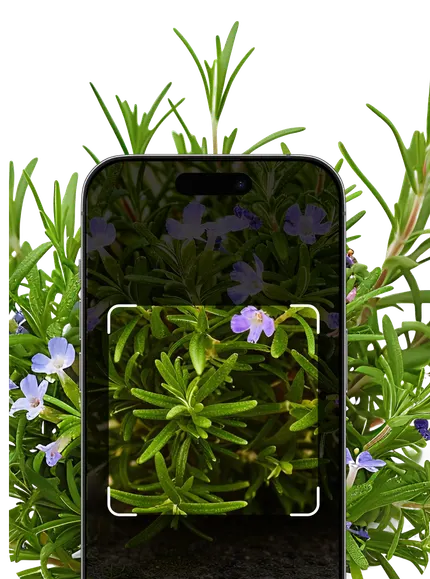
Use easy-to-see images for the best plant ID results. Try not to take photos from very far away.
 POPULAR
Butterfly weed
Asclepias tuberosa
 POPULAR
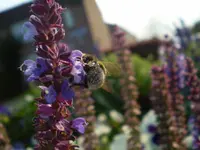
Woodland sage
Salvia nemorosa
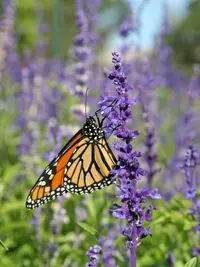
Mealycup sage
Salvia farinacea
 POPULAR
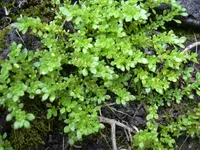
Artillery plant
Pilea microphylla
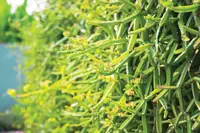
Veld Grape
Cissus quadrangularis
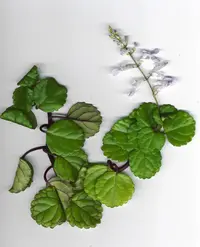
Swedish Ivy
Plectranthus verticillatus
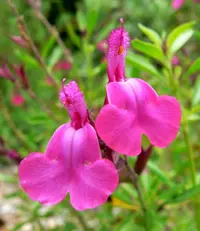
Autumn sage
Salvia greggii
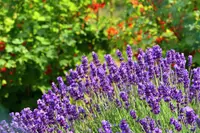
French lavender
Lavandula stoechas
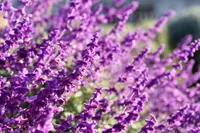
English lavender
Lavandula angustifolia
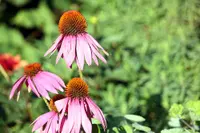
Purple Coneflower
Echinacea purpurea
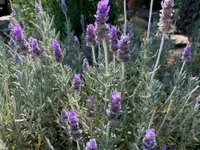
Fringed Lavender
Lavandula dentata
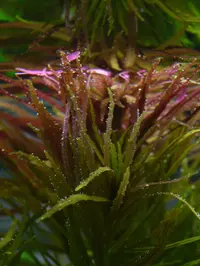
Rice Paddy Herb
Limnophila aromatica
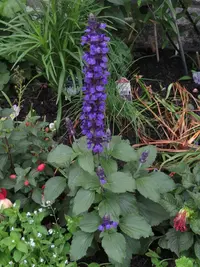
Sage
Salvia Mystic Spires
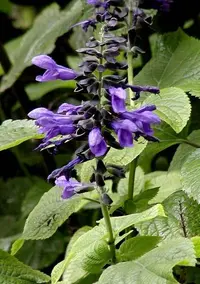
Blue Anise Sage
Salvia guaranitica
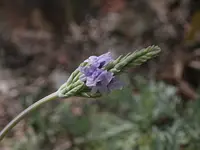
Fernleaf Lavender
Lavandula pinnata
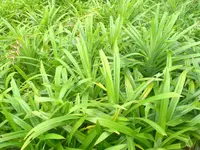
Pandan
Pandanus amaryllifolius
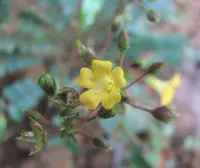
Little Tree Plant
Biophytum sensitivum
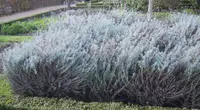
Curry plant
Helichrysum italicum
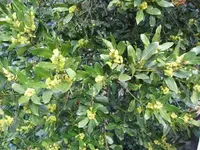
Bay laurel
Laurus nobilis
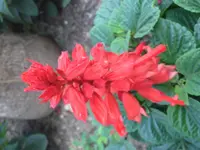
scarlet sage
Salvia splendens
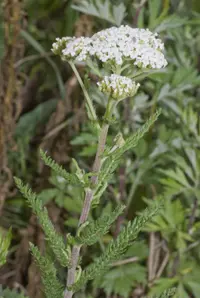
Yarrow
Achillea millefolium
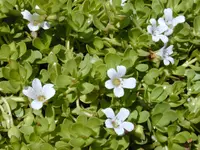
Water Hyssop
Bacopa monnieri
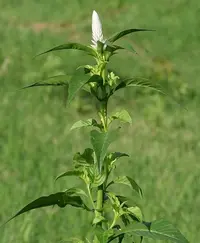
Cockscomb
Celosia argentea
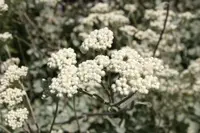
Licorice plant
Helichrysum petiolare
Want to know how to identify herbs without special knowledge? Most species can be identified by a few characteristics: leaf, stem, and scent.
The following sections will explain the fundamentals of this process. There are also examples of some of the herbs and wild plants you may be likely to encounter on your hikes.
The leaf is the first criterion to check. These are typical shapes found in most kitchen and garden plants:
Start with a general outline, then consider other characteristics before settling on a name.
Edges and textures help to make herb identification by leaf more informative and the final results more confident. Smooth edges are typical of bay leaves and basil. Serrated edges with fine teeth are often found on mint and lemon balm. Lobed edges are typical of cilantro and parsley.
Fluffy leaves most often point to sage and lamb's ear, while shiny leaves are typical of bay laurel or rosemary. When you make a photo for identification, hold the leaf up to the light to notice fine hairs and oil glands that are not immediately visible.
It usually indicates the family, which is another clue for an accurate herb plant identification. The main types are:
Roll the stem between two fingers. This simple action helps to exclude many of the possible recognition options.
Smell is one of the most reliable cues for species ID. To identify what herb this is by smell alone, crush a leaf and sniff it. Basil has a sweet, clove-like aroma. Rosemary has a piney scent, and lavender is floral.
Melissa smells lemony, as does lemon verbena, though verbena has a more intense scent. Mint and catnip look almost identical, but your nose will certainly distinguish them: mint has a bright, minty scent, while catnip has a more musty, herbaceous aroma.
Some look-alike herbs are toxic, and they can confuse even those who are familiar with plants. Foraging accidents usually come down to a missed scent check or stem identification.
The table below shows the main edible plants, the dangerous "look-alikes", and how to distinguish one from the other.
Edible herb | Poisonous herb | How to Tell Them Apart |
Wild garlic (ramps) | Wild garlic smells strongly of garlic when crushed. Lily of the valley has no smell. | |
Parsley | Hemlock has purple blotches on the stem and a musty smell. Parsley stems are clean, and the leaves smell herby. | |
Wild carrot | Poison hemlock | Wild carrot has a dark spot in the flower center and hairy stems. Hemlock stems are hairless. |
Hemlock water dropwort | Yarrow leaves are feathery and soft. Water dropwort grows near water and smells like parsnip. | |
Sweet cicely | Sweet cicely smells like anise. Fool's parsley smells bad when crushed. |
If you're not 100% sure, don't eat it — a second photo of the stem or cut base can often help you correctly identify herbs by picture and distinguish them from poisonous ones.
Manual checks work fine for plants that you already know. The process becomes more challenging with similar species, low-light conditions, or new plants. In such cases, our herb identifier can be helpful.
Here are 5 reasons to use the app from Botan for plant identification purposes:
For most checks, the app is faster than a field book and easier to carry on a walk.
Yes. Botan’s database contains thousands of culinary and medicinal herbs and shows common uses for each one. The tool is especially helpful for fast checks before eating anything you find in the wild, since regional variants and toxic look-alikes look very similar.