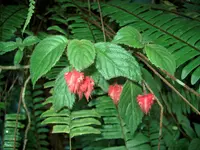
scarlet sage Care (Salvia splendens)

scarlet sage

About scarlet sage

Salvia splendens, often called scarlet sage or scarlet salvia, is a compact, tender perennial usually grown as an annual bedding plant. It forms neat, bushy clumps with upright flower spikes and broad, light to mid-green leaves.

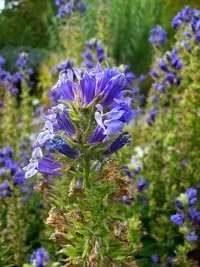
Flowering is long and reliable, with vivid red, pink, purple, or white blooms that attract bees and hummingbirds in suitable climates. Plants stay relatively low and uniform, which makes them useful for borders, mass plantings, and containers.

Salvia splendens originates from Brazil and prefers warm conditions, full sun to light shade, and well-drained soil. Its fast growth and forgiving nature make it a good option for beginners learning how to care for Salvia splendens in seasonal displays.

Main Plant Requirements

Care Difficulty

Easy Care

Light Preference

Full Sun

Water Requirements

Moderate Water

Temperature Preference

Tropical / Frost Sensitive

Hardiness Zone

10–11

Soil Texture

Sandy, Loamy, Organic-rich

Soil pH

Acidic (5.5–6.5), Slightly acidic (6.5–7.0)

Soil Drainage

Well-drained

Fertilization

Moderate (every 2–4 weeks)

Get Personalized Care Plan

Scan your plant to receive care tips personalized for your specific plant

Available on iOS and Android

How to Care for the scarlet sage

This plant thrives in strong light but benefits from some protection from intense afternoon sun.

  • Provide 6–8 hours of direct sun, ideally with full morning sun and light afternoon shade, especially in hot summers.
  • Tolerates bright partial shade, but dense shade reduces flowering and leads to lanky, weak stems in Salvia splendens.
  • In very hot regions, use filtered light or dappled shade during 12–4 p.m. to prevent leaf scorch and premature flower fade.

This species prefers evenly moist but not saturated soil during the active growing and flowering season.

  • Water when the top 2–3 cm of soil feels dry, soaking the root zone thoroughly, then let excess drain away.
  • In hot, windy weather, monitor daily for wilting or dry soil; in cool or rainy periods, extend the interval between waterings.
  • Yellowing, soft stems suggest overwatering or poor drainage, while drooping, dry leaves and crisp flower spikes signal underwatering.

This warm-season annual performs best in stable, frost-free conditions.

  • Optimal growth occurs around 65–80°F (18–27°C); flowering is most reliable within this range.
  • Plants are very frost sensitive and are usually set out only after nights stay consistently above 50°F (10°C).
  • Tolerates short heat waves up to about 90–95°F (32–35°C) if soil moisture is maintained, but prolonged cold below 45°F (7°C) slows growth and can damage foliage.

This species tolerates typical indoor humidity but grows best with slightly moist air.

  • Aim for 40–60% humidity; avoid extremely dry heated rooms for prolonged periods.
  • Dry, crispy leaf edges and slow, sparse flowering can indicate low humidity stress.
  • Group pots together or place them near a tray with water and pebbles to gently raise local humidity.

This plant prefers loose, well-drained, moderately fertile soil to support fast seasonal growth.

  • Use a mix of 50–60% all-purpose potting soil, 20–30% compost, and 10–20% perlite or coarse sand for structure and drainage.
  • Aim for slightly acidic to neutral pH around 6.0–7.0; avoid strongly alkaline soils that limit nutrient uptake.
  • Ensure soil is crumbly and airy; break up clods and avoid compacting the surface after planting.
  • Avoid heavy clay or waterlogged sites, which promote root and crown rot, especially in dense Salvia splendens plantings.

This species is well suited to container growing on patios, balconies, and entrances.

  • Choose a pot at least 20–25 cm wide so the shallow, fibrous roots can spread laterally without crowding.
  • Select a slightly heavy container (ceramic or thick plastic) to prevent tall flowering stems from toppling in wind.
  • Raise the pot on feet or bricks so drainage holes clear the surface, letting excess water escape quickly after rain or watering.

Balanced feeding supports strong growth and continuous flowering in Salvia splendens.

  • Use a balanced water-soluble fertilizer (for example 10-10-10 or 20-20-20) at 1/2 strength for plants in containers.
  • Feed every 2–3 weeks during the warm growing season when plants are actively flowering.
  • For in-ground beds, mix in compost or a slow-release granular fertilizer at planting time.
  • Reduce feeding to once every 6–8 weeks in late fall and winter, or stop if growth is fully dormant.

Thoughtful pruning keeps Salvia splendens compact and flowering well.

  • Pinch or snip off spent flower spikes through the growing season to encourage new blooms.
  • In late spring and midseason, trim back leggy stems by 1/3 to promote bushier growth.
  • Remove any dead, diseased, or storm-damaged stems as soon as they appear.
  • Use clean, sharp scissors or small hand pruners and make cuts just above a leaf node.

Repotting or transplanting maintains healthy roots and vigorous flowering in bedding salvia.

  • Check containers yearly; roots circling the pot holes or dense rootballs signal the need to move up 1 pot size.
  • Transplant or repot in spring after frost risk has passed, when plants resume active growth.
  • Handle the root ball gently, loosening circling roots with fingers and trimming only severely tangled sections.
  • Water thoroughly after moving, then keep soil evenly moist and shaded from harsh midday sun for 3–5 days to limit stress.

New plants are most often raised from seed, though cuttings are also possible for this species.

  • Sow seeds indoors 6–8 weeks before last frost in a sterile, well-drained seed mix at 70–75°F with bright light.
  • Press seeds lightly onto the surface or barely cover; maintain even moisture until germination in 7–21 days.
  • For cuttings, take 7–10 cm non-flowering tips in late spring, remove lower leaves, and insert in moist, airy mix.
  • Provide high humidity and bright, indirect light for cuttings until roots form, then acclimate gradually to stronger light.

Most gardeners treat Salvia splendens as a frost-tender annual that dies back in freezing weather.

  • In climates with frost, allow plants to finish the season, then remove and compost after the first hard freeze.
  • In mild winter areas, apply a light mulch around the base to insulate the root zone and moderate soil temperature.
  • For container plants in cooler zones, move pots indoors or into a frost-free greenhouse before temperatures drop below 40°F.

Care Tips

Pinch Early Shoots

Pinch out the soft tips of young plants when they reach 8–10 cm tall to encourage a compact, bushy shape with many more flower spikes over the season.

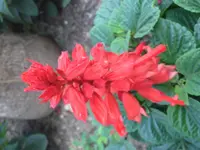
Deadhead With Precision

Remove spent flower spikes down to the next set of healthy leaves every 5–7 days so the plant diverts energy into new blooms instead of seed production, which keeps bedding displays dense and colorful.

Staggered Planting Blocks

Plant in small blocks at 2–3 week intervals rather than all at once, so older plants can be replaced with fresh, vigorous ones and beds stay full and uniform through late summer.

Mulch To Protect Roots

Apply a thin 2–3 cm layer of fine compost or shredded bark around, but not touching, the stems to stabilize soil moisture, prevent splash-back of soil onto leaves, and reduce weed competition when growing Salvia splendens.

Rotate Bed Locations

Change the planting area each year, avoiding beds where salvias or other Lamiaceae were grown the previous season, to lower disease pressure and reduce buildup of soil-borne pests specific to this group.

Common Pests and Diseases

Botrytis blight

This disease causes tan to brown spots on leaves and flowers that quickly develop gray, fuzzy mold, especially in cool, damp weather. Symptoms include collapse of young shoots and mushy flower spikes.

Solution

Remove and discard all affected plant parts and any fallen debris, then thin or space plants to improve airflow and allow surfaces to dry quickly. Avoid overhead watering, irrigate early in the day, and, in persistent cases, use a labeled ornamental fungicide as part of broader Salvia splendens care instructions.

Powdery mildew

This disease appears as white, powdery patches on leaves, stems, and flower stalks, often starting on lower or crowded foliage. Symptoms include distorted growth and premature leaf drop in shaded, humid conditions.

Solution

Increase light and air movement by pruning dense growth and avoiding tight spacing, and water at soil level so foliage stays dry. Remove heavily infected leaves, then apply a sulfur or potassium bicarbonate fungicide labeled for ornamentals if needed to protect new growth.

Aphids

These insects cluster on tender shoot tips and the undersides of leaves, sucking sap and causing curling, yellowing, and sticky honeydew that can lead to sooty mold. This pest is often more severe on lush, fast-growing plants.

Solution

Dislodge colonies by spraying plants with a firm stream of water, and pinch off heavily infested shoot tips. For ongoing problems, use insecticidal soap or horticultural oil, applied thoroughly to leaf undersides and repeated as directed until populations decline.

Thrips

These insects feed inside flower spikes and on young leaves, causing silvery streaks, distorted buds, and petals with brown edges or uneven color. This pest can significantly reduce ornamental value in mass plantings.

Solution

Remove and discard heavily damaged flower spikes to reduce populations, and avoid planting near grassy weeds that host thrips. Use blue or yellow sticky traps for monitoring, and treat outbreaks with insecticidal soap or a spinosad-based product, ensuring good coverage of flowers and new growth.

Spider mites

This pest causes fine stippling and bronzing on leaves, often with very fine webbing between stems and foliage in hot, dry conditions. Symptoms include dull, off-color leaves that may drop early under heavy infestations.

Solution

Increase humidity around plants and rinse foliage thoroughly with water, especially on leaf undersides, to knock down populations. If numbers remain high, apply horticultural oil or insecticidal soap at labeled intervals, and avoid water stress, which favors spider mite buildup.

Interesting Facts

Brazilian forest origins

This species is native to cloud forests in southeastern Brazil, where it grows as a short-lived perennial shrub in warm, frost-free conditions rather than as the annual bedding plant it is often treated as in gardens.

Cultivar color range

Although the wild form has bright red flowers, ornamental cultivars have been bred in shades of purple, white, salmon, pink, and bicolor, all retaining the same tubular flower structure adapted to bird pollination.

Hummingbird-adapted flowers

The long, tubular corolla and protruding stamens are shaped so that visiting hummingbirds contact the anthers and stigma with their foreheads and bills, making them effective pollinators in the plant’s native range.

Botan icon

Did you know?

Salvia splendens was introduced to European horticulture in the early 19th century and quickly became a standard formal bedding plant, which is why massed blocks of its red-flowered cultivars have been used for over a century in public parks and civic displays worldwide.

FAQs about scarlet sage

Lack of blooms usually comes from insufficient light, nutrient imbalance from excess nitrogen, or old, spent flower spikes. Remove faded spikes, provide strong light, and use a balanced fertilizer to support continuous flowering through the warm season.

Grow Healthy Plants with Botan Care

Keep your plants happy and healthy with plant identification, disease detection, and easy care guidance.

Botan plant care app — identify plants on mobile

Explore More Plants