Timed succession sowing
Stagger seed sowing every 2–3 weeks in early spring to maintain a continuous patch of fresh foliage and flowers for pollinators rather than one short flush.

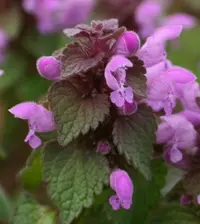
Purple deadnettle (Lamium purpureum) is a low, spreading annual from the mint family, often seen in lawns, garden beds, and disturbed soil. It forms soft, square stems with triangular leaves that become flushed purple near the top and small pinkish flowers that attract early pollinators.
This species is native to Europe and Asia but is now common across much of North America, especially in cooler seasons. It grows quickly, self-seeds easily, and tolerates poor soil, which makes it simple to care for purple deadnettle in most gardens.
It prefers open, moderately moist spots with basic to neutral soil, but also adapts to light shade and a range of textures, from loam to slightly compacted ground.

Care Difficulty
Easy Care

Light Preference
Partial Shade

Water Requirements
Moderate Water

Temperature Preference
Cold Hardy

Hardiness Zone
4–8

Soil Texture
Sandy, Loamy, Clay

Soil pH
Acidic (5.5–6.5), Slightly acidic (6.5–7.0)

Soil Drainage
Well-drained

Fertilization
Minimal (feed rarely)
Scan your plant to receive care tips personalized for your specific plant
Available on iOS and Android
Lamium purpureum grows best in cool, bright conditions with gentle sun exposure.
This species prefers evenly moist but not saturated soil, especially during active spring growth.
This hardy annual weed tolerates a wide temperature range but grows best in cool conditions.
Humidity is rarely a limiting factor for purple deadnettle, which thrives in typical outdoor ranges.
This species prefers loose, moderately fertile soil that drains freely yet holds some moisture.
This species can be grown in containers, especially for controlled spreading or small spaces.
This wild annual needs little feeding, but light nutrition can modestly support growth in poor soils when caring for purple deadnettle.
Pruning Lamium purpureum is mainly used to control spread and maintain a tidy patch.
This species is usually grown in the ground, so transplanting matters more than repotting.
Lamium purpureum spreads mostly by seed but can also be managed through simple vegetative methods.
This hardy annual needs almost no special winter care in typical temperate climates.

Plant Health Check
Not sure what's wrong with your plant? Check your plant's health inside the app.
Purple deadnettle flowers very early in spring and can continue blooming in cold, patchy conditions, providing nectar and pollen for bees when few other plants are in flower.
The purplish tint on the top leaves is caused by anthocyanin pigments, which can help protect leaf tissues from cold and excess light in early spring.
This species has the square stems typical of the mint family but, unlike true nettles, its soft, non-stinging hairs make it safe to handle with bare hands.

Purple deadnettle is native to Eurasia but has become one of the most widespread winter annual weeds in temperate agriculture, often forming dense ground-level carpets in fields before crops fully emerge.
This species self-seeds freely and forms low, dense patches, so it can spread quickly in lawns, beds, and disturbed soil. Regular hand-pulling, deadheading flowers, or mulching bare ground helps prevent unwanted expansion and keep it contained.
Keep your plants happy and healthy with plant identification, disease detection, and easy care guidance.