BotaN logo

shampoo ginger Care (Zingiber zerumbet)

Also known as: bitter ginger, pinecone ginger
shampoo ginger

About shampoo ginger

Shampoo ginger, Zingiber zerumbet, is a rhizomatous perennial in the ginger family grown for its ornamental foliage and cone-shaped inflorescences that fill with aromatic sap. The leafy stems form dense clumps that die back in cool or dry seasons and resprout from underground rhizomes.

This species is native to tropical Asia and has naturalized in many warm, humid regions, often along forest edges and moist understories. It is moderately easy to grow where temperatures stay warm, provided it receives filtered light, consistently moist but well-drained soil, and protection from frost. These traits make it suitable for gardeners who want to learn how to care for shampoo ginger without very complex demands.

Main Plant Requirements

Care Difficulty

Moderate Care

Light Preference

Partial Shade

Water Requirements

Keep Soil Moist

Temperature Preference

Tropical / Frost Sensitive

Hardiness Zone

8–11

Soil Texture

Loamy, Sandy, Organic-rich

Soil pH

Acidic (5.5–6.5), Slightly acidic (6.5–7.0)

Soil Drainage

Moist but well-drained

Fertilization

Light (every 4–6 weeks)

Get Personalized Care Plan

Scan your plant to receive care tips personalized for your specific plant

Available on iOS and Android

How to Care for the shampoo ginger

This tropical species prefers bright, filtered light that mimics a forest understory.

  • Provide 4–6 hours of bright, indirect light daily, such as dappled sun under taller plants or light shade from a fence or tree.
  • Allow gentle morning sun but protect shampoo ginger from strong midday and afternoon sun, which can scorch leaves and fade color.
  • In cooler months, choose the brightest site available; in hot summers, increase shade to 40–60% to prevent leaf curl and dry, brown tips.

This rhizomatous plant prefers consistently moist but not waterlogged soil.

  • Water when the top 3–5 cm of soil feels dry, aiming for evenly moist soil around the rhizomes without standing water.
  • Use deep, slow watering so moisture reaches 15–20 cm depth, and ensure soil drains freely to reduce risk of rot in Zingiber zerumbet.
  • In active growth and hot weather, expect more frequent watering; in cool or dormant periods, let the soil dry slightly deeper and watch for limp, folding leaves as a thirst sign.

This species thrives in warm, frost-free conditions typical of lowland tropics and subtropics.

  • Aim for growing temperatures of 70–85°F (21–29°C) for fastest growth and flowering during the main season.
  • Protect from cold below 50°F (10°C); foliage is usually damaged near 40°F (4°C), and rhizomes can be killed by hard frost or prolonged freezing.
  • In hot spells above 90°F (32°C), provide extra shade and soil moisture, as heat plus intense sun can cause leaf scorch and slowed growth.

This species prefers moist, high-humidity air similar to a tropical understory.

  • Aim for 60–80% humidity; it tolerates short dips to 40–50% but foliage may dry at the edges.
  • Low humidity stress shows as brown leaf tips, curled margins, and stalled new shoots on shampoo ginger.
  • Increase humidity with grouped plants, a wide pebble tray under the pot, or frequent fine misting in warm, bright conditions.

This rhizomatous plant needs consistently moist, aerated soil that never stays waterlogged.

  • Use a loose, loamy mix with high organic matter, such as 2 parts compost-rich potting mix to 1 part fine bark and 1 part perlite.
  • Ensure rapid drainage so water flows through in seconds; soggy conditions quickly rot rhizomes in Zingiber zerumbet.
  • Target slightly acidic to neutral pH around 6.0–7.0, avoiding strongly alkaline mixes that limit nutrient uptake.
  • Improve aeration by blending in chunky materials like pine bark or coco chips and avoid dense clay or unamended garden soil.

This species grows well in containers when the pot supports its spreading rhizomes and tall stems.

  • Choose a wide, moderately deep pot so rhizomes can expand sideways without pressing tight against the walls.
  • Select a heavy or bottom-weighted container to prevent tall, leafy stems from tipping the plant in wind or after watering.
  • Raise the pot slightly on feet or bricks so drainage holes clear quickly and salty runoff does not reabsorb into the mix.

This rhizomatous ginger benefits from moderate, consistent feeding during the warm growing season.

  • Use a balanced liquid fertilizer (around 10‑10‑10) at 1/2 strength every 4–6 weeks while shoots are actively growing.
  • Alternative feeding with a thin layer of compost around the clump supports soil life and slow nutrient release.
  • Apply a slow‑release granular fertilizer in spring for long, steady nutrition over the season.
  • Stop feeding shampoo ginger in late fall and do not fertilize dormant rhizomes over winter.

Pruning Zingiber zerumbet focuses on removing spent growth to keep clumps clean and productive.

  • In late fall or early spring, cut back completely dead stems at the base with clean, sharp pruners.
  • Remove damaged, diseased, or badly leaning canes during the season to improve air flow and appearance.
  • Trim old flower spikes after they fade to direct energy back into the rhizomes.
  • Thin out the most crowded, weak stems to maintain a manageable clump and support stronger shoots.

This ginger forms expanding rhizome clumps that need more space every few years, especially in containers.

  • Check for roots circling inside the pot, crowded rhizomes, or slowed growth as signs the plant needs more room.
  • Plan repotting or garden transplanting in late winter to early spring, just before strong new shoots emerge.
  • Move clumps every 3–4 years, choosing a slightly larger pot or fresh in‑ground position with rich, draining soil.
  • Gently loosen roots, keep rhizomes at the same depth, water well, and shade lightly for 3–5 days to reduce stress.

New Zingiber zerumbet plants are most reliably produced by dividing mature rhizomes.

  • Plan division in late winter or early spring, when the plant is just breaking dormancy.
  • Lift the clump and cut rhizomes into sections, each with at least 1–2 healthy buds and some roots attached.
  • Plant divisions in loose, moist, well‑drained soil and keep temperatures around 70–80°F for active rooting.
  • Maintain evenly moist conditions and light shade until new shoots are 10–15 cm tall, then resume normal care.

This tropical ginger is frost tender and needs protection in regions with cold winters.

  • In mild climates (above 50°F), allow foliage to yellow and die back naturally, then keep soil only slightly moist.
  • Where light frost occurs, cut back dead stems and apply a 5–8 cm mulch over the rhizome zone.
  • In colder areas, lift rhizomes after dieback and store them dry in peat or vermiculite at 50–60°F.
  • For containers, move pots indoors to a cool, bright, frost‑free area and reduce watering during dormancy.

Care Tips

Rhizome spacing

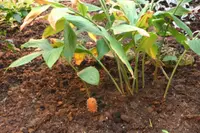
When planting, space rhizome pieces 30–45 cm apart and no deeper than 5–7 cm so new shoots emerge evenly and are less prone to rot or overcrowding over time.

Mulch for moisture

Apply a 5–8 cm layer of loose organic mulch, such as shredded bark or leaf mold, around but not on top of shoots to stabilize soil moisture, keep roots cooler, and reduce weed competition.

Seasonal lifting

In regions with cold winters below 50°F, lift rhizomes in late fall after foliage dies back, dry them for 1–2 days in shade, then store in a breathable container with slightly dry peat or coco coir at 55–65°F.

Targeted division

Divide clumps only when growth becomes crowded, keeping at least 2–3 healthy buds per rhizome piece, and replant the most vigorous sections to maintain strong flowering and controlled spread when growing shampoo ginger.

Support tall stems

In windy or exposed sites, place discreet ring stakes or soft ties around taller stems early in the season to prevent lodging and stem breakage once the inflorescences become heavy with liquid.

Common Pests and Diseases

Rhizome soft rot

This disease causes the underground rhizomes to become soft, water-soaked, and foul-smelling, often leading to sudden yellowing and collapse of the foliage. Symptoms include stunted growth, poor shoot emergence, and sections of the rhizome that easily break apart when pressed.

Solution

Remove and discard all affected rhizome sections and heavily damaged plants, and avoid replanting in the same saturated soil. Improve drainage, avoid overwatering, and use clean, disease-free rhizome pieces when propagating to reduce future infections.

Bacterial wilt

This disease leads to progressive yellowing and wilting of shoots, often starting with one stem and then spreading through the clump. Symptoms include rapid collapse of foliage, dark streaks in stems, and sometimes milky or sticky exudate from cut stems or rhizomes.

Solution

Uproot and discard infected plants including rhizomes, and do not compost them. Improve soil drainage, use clean planting material, and sanitize cutting tools between plants to limit the spread of bacteria in a planting of Zingiber zerumbet.

Shoot borer

This pest is the larval stage of a moth that tunnels into young pseudostems, causing yellowing, distorted leaves, and dead central shoots. Symptoms include small holes on the stems, frass (sawdust-like droppings), and hollow or rotting central shoots.

Solution

Cut and destroy infested shoots as soon as boring damage is noticed to remove larvae before they complete their life cycle. Encourage good airflow, keep planting areas clean of plant debris, and in outdoor plantings use pheromone or light traps where available to help monitor and reduce adult moth populations.

Spider mites

These insects feed on leaf undersides, causing fine stippling, dulling of leaf color, and eventual bronzing or leaf drop, especially in warm, dry indoor or greenhouse conditions. Symptoms include very fine webbing between leaves and stems and visible tiny moving dots on close inspection.

Solution

Rinse foliage thoroughly with a strong but gentle stream of water, focusing on leaf undersides, and repeat weekly until populations drop. Raise humidity, isolate heavily infested plants, and apply insecticidal soap or horticultural oil according to label directions as part of shampoo ginger indoor care.

Interesting Facts

Shampoo-like cone liquid

The mature red inflorescences hold a fragrant, soapy liquid in their bracts, which is why the plant is widely used as a natural hair and body rinse in parts of Hawaii and Southeast Asia.

Deciduous tropical ginger

Unlike many ornamental gingers that stay leafy in warm climates, this species is seasonally deciduous and often dies back to its rhizomes during cooler or drier periods before resprouting with new shoots.

Aromatic rhizome chemistry

Its rhizomes contain the sesquiterpene zerumbone, a well-studied compound investigated in pharmacology and analytical chemistry for its distinct bioactive properties.

Botan icon

Did you know?

The species is thought to be native to tropical Asia but has become naturalized and locally common across many Pacific islands, where traditional knowledge has integrated it into daily hygiene and cultural practices as a household “shampoo plant.”

FAQs about shampoo ginger

Lack of flowering usually comes from insufficient warmth, low light, or immature rhizomes. Crowded pots, recent division, or nutrient-poor soil also delay blooms. Stable warmth, dappled light, and balanced feeding support better flowering when caring for shampoo ginger.

Grow Healthy Plants with Botan Care

Keep your plants happy and healthy with plant identification, disease detection, and easy care guidance.

Botan plant care app — identify plants on mobile

Explore More Plants