Windfirm training
In the first 3–5 years, selectively stake and gently tie young stems so the trunk develops a straight, well-tapered leader that resists wind damage as the tree matures.

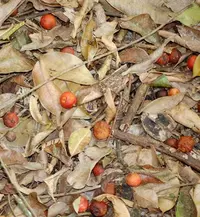
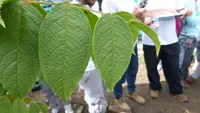
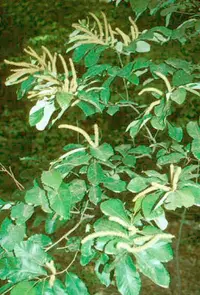
Breadnut, Brosimum alicastrum, is a long-lived tropical tree grown mainly for its starchy, nut-like seeds and dense evergreen canopy. It is typically a tall, upright tree with a straight trunk, thick branches, and simple glossy leaves that create deep shade beneath.
This species is native to tropical regions of Mexico, Central America, and parts of the Caribbean, where it grows in warm, humid lowland forests. It is generally considered a resilient tree, tolerating a range of soils and short dry periods, which makes it fairly forgiving once established.
Those who want to learn how to care for breadnut should know it prefers warm temperatures, consistent moisture, and well-drained soil with good light exposure.

Care Difficulty
Moderate Care

Light Preference
Full Sun

Water Requirements
Moderate Water

Temperature Preference
Tropical / Frost Sensitive

Hardiness Zone
10–12

Soil Texture
Sandy, Loamy, Organic-rich

Soil pH
Acidic (5.5–6.5), Slightly acidic (6.5–7.0)

Soil Drainage
Moist but well-drained

Fertilization
Minimal (feed rarely)
Scan your plant to receive care tips personalized for your specific plant
Available on iOS and Android
This tropical tree prefers strong, warm light similar to its native lowland forest edge conditions.
This species prefers evenly moist but not saturated soil, especially during its main growing season.
This lowland tropical tree thrives in consistently warm, frost‑free conditions.
This species prefers moderately humid air but generally tolerates typical household conditions.
Brosimum alicastrum develops best in deep, well-drained, moderately fertile soil with stable structure.
This tree can be grown in large containers when space or climate limits in-ground planting.
This tropical tree benefits from light feeding when cultivated, though mature breadnut in fertile ground often manages with minimal inputs.
Pruning Brosimum alicastrum is mainly done to maintain safe structure and remove weak growth rather than to control size tightly.
This species is usually field-grown, so growers focus on careful transplanting of young trees rather than frequent repotting.
Propagation of Brosimum alicastrum is most often done from seeds, which require fresh, viable material and warm conditions.
This tropical tree is frost-sensitive and needs careful winter management outside frost-free climates.

Plant Health Check
Not sure what's wrong with your plant? Check your plant's health inside the app.
Seeds of this tree, often called breadnut or ramón, were a traditional staple food for ancient Maya communities and were stored in large quantities in forest garden systems.
Although it can reach the upper forest canopy, this species is unusually shade-tolerant as a mature tree and often persists under denser tropical forest cover than many other hardwoods.
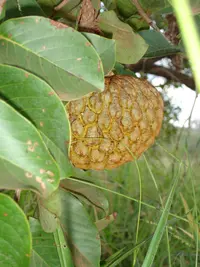
The protein- and starch-rich seeds and fleshy parts of the fruit are important food sources for wildlife such as howler monkeys, peccaries, and various birds in Central American forests.

Archaeobotanical studies at Classic Maya sites have found large deposits of its seeds in ancient storage contexts, suggesting it functioned as a strategic famine and dry-season reserve food in pre-Columbian agroforestry systems.
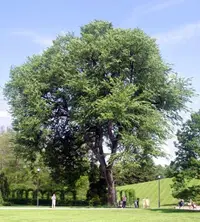
This tree is moderately fast-growing in warm, moist climates, often adding 60–90 cm per year when young. In suitable outdoor conditions it can eventually exceed 20 m tall with a broad, shade-casting crown.
Keep your plants happy and healthy with plant identification, disease detection, and easy care guidance.