Protect Taproot Zone
Install a wide, long-term no-dig zone around the young tree (at least 1.5–2× the canopy width) to protect the deep taproot and feeder roots from soil compaction and disturbance.

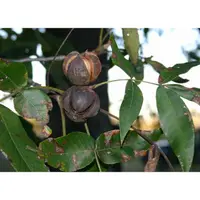
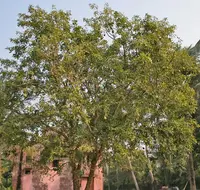
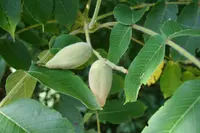
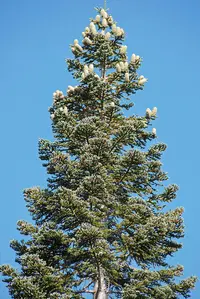
Shagbark hickory (Carya ovata) is a long-lived deciduous tree native to eastern North America, valued for its strong wood and edible nuts. It develops a tall, straight trunk with distinctive peeling gray bark that curls away in long plates, giving the tree its common name.
This species prefers full sun, deep, well-drained soils, and consistent moisture, especially while young. It grows slowly and forms a deep taproot, which makes transplanting difficult but supports good drought tolerance once established. Those who want to learn how to care for shagbark hickory should be prepared for its long maturation time and large eventual size.

Care Difficulty
Moderate Care

Light Preference
Full Sun

Water Requirements
Moderate Water

Temperature Preference
Cold Hardy

Hardiness Zone
4–8

Soil Texture
Loamy, Sandy, Clay

Soil pH
Acidic (5.5–6.5), Slightly acidic (6.5–7.0)

Soil Drainage
Moist but well-drained

Fertilization
Minimal (feed rarely)
Scan your plant to receive care tips personalized for your specific plant
Available on iOS and Android
This deciduous tree thrives in full sun but accepts some light shade, especially in heat-prone areas.
This deep-rooted species prefers evenly moist, well-drained soil, especially during establishment.
This hardy tree is adapted to cold winters and warm summers, with strong tolerance to seasonal swings.
Humidity is not a major factor for Carya ovata, which is adapted to outdoor temperate conditions.
Carya ovata grows best in deep, moist, well‑drained mineral soils that stay aerated over time.
This species is generally unsuitable for long‑term container growing due to its vigorous taproot and eventual size.
Carya ovata is a slow-growing native tree that usually needs little fertilizer in average garden or woodland soil.
Carya ovata benefits from minimal structural pruning to maintain a strong, safe canopy.
Carya ovata is best transplanted young from containers or nursery rows, as older trees resent root disturbance.
Carya ovata is usually propagated from seed, as vegetative methods are difficult and rarely practical for home growers.
Carya ovata is a cold-hardy deciduous tree that typically needs no special winter care once established in the ground.

Plant Health Check
Not sure what's wrong with your plant? Check your plant's health inside the app.
Shagbark hickory develops long, vertical plates of bark that curl outward and detach in strips, creating loose, shaggy layers that help protect the trunk from temperature extremes and fire.
The hickory horned devil, the caterpillar of the regal moth (Citheronia regalis), commonly feeds on shagbark hickory foliage and depends on this tree and a few related species to complete its life cycle.
The loose bark plates provide crucial summer and maternity roost sites for several bat species in eastern North America, including endangered Indiana bats, which tuck themselves behind the bark for shelter.

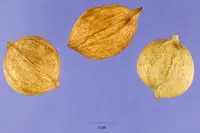
Shagbark hickory nuts were a significant traditional food for many Indigenous peoples of eastern North America, who used the rich, oily kernels to make a nutritious milk-like drink and flavoring long before the tree became known to European settlers.
This species grows slowly to moderately, often adding about 20–30 cm in height per year once established. Growth is slower in dry, compacted, or very poor soils, and somewhat faster in deep, moist, well‑drained sites.
Keep your plants happy and healthy with plant identification, disease detection, and easy care guidance.