Vine Identifier
Take a Photo and Find Out What Your Vine Is
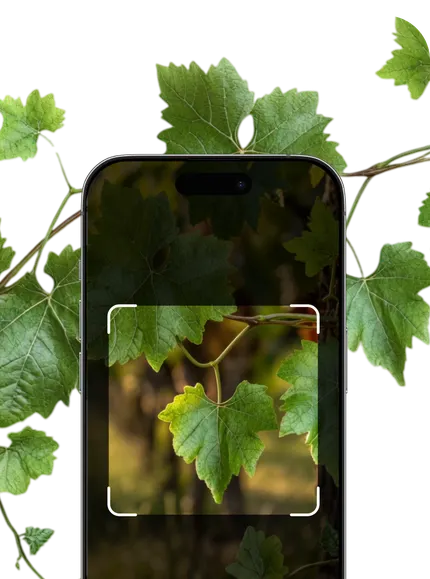
Use the Botan scanner or upload a picture from your gallery for fast, accurate vine identification from any part of it.


Take a Photo and Find Out What Your Vine Is
Use the Botan scanner or upload a picture from your gallery for fast, accurate vine identification from any part of it.


Plant Identifier Online for Free
Use easy-to-see images for the best plant ID results. Try not to take photos from very far away.
 POPULAR
Monstera
Monstera deliciosa
 POPULAR
Swiss Cheese Vine
Monstera adansonii
 POPULAR
Wax Plant
Hoya carnosa
 POPULAR
Hoya Hearts
Hoya kerrii
 POPULAR
Mini Monstera
Rhaphidophora tetrasperma
 POPULAR
Golden Pothos
Epipremnum aureum
 POPULAR
Philodendron melanochrysum
Philodendron melanochrysum
 POPULAR
Elephant's Foot Plant
Dioscorea elephantipes
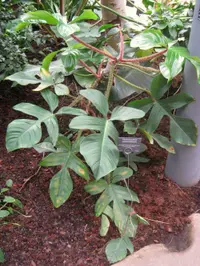 POPULAR
Philodendron squamiferum
Philodendron squamiferum
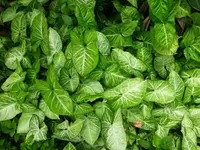 POPULAR
Arrowhead Vine
Syngonium podophyllum
 POPULAR
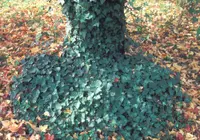
English Ivy
Hedera helix
 POPULAR
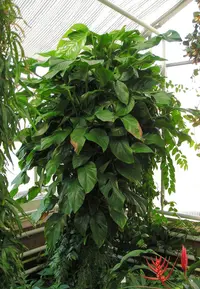
Hoya linearis
Hoya linearis
 POPULAR
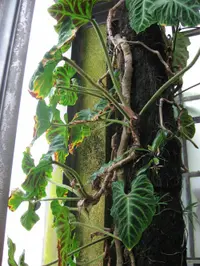
Window-Leaf Monstera
Monstera obliqua
 POPULAR
Philodendron verrucosum
Philodendron verrucosum
 POPULAR
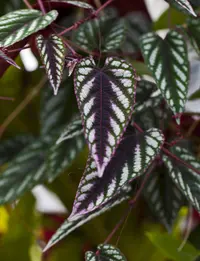
Begonia Vine
Cissus discolor
 POPULAR
heartleaf philodendron
Philodendron cordatum
 POPULAR
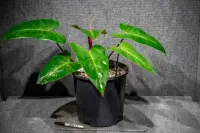
Blushing Philodendron
Philodendron erubescens
 POPULAR
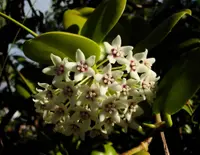
Hoya
Hoya australis
 POPULAR
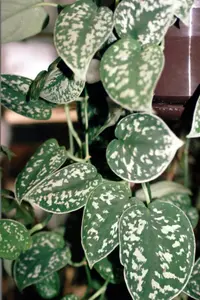
Satin Pothos
Scindapsus pictus
 POPULAR
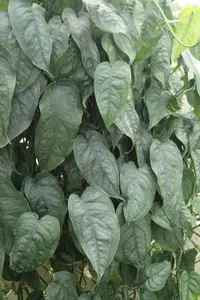
Silver Monstera
Monstera siltepecana
 POPULAR
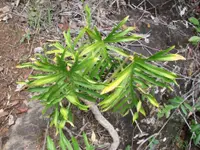
Philodendron mayoi
Philodendron mayoi
 POPULAR
Philodendron Cobra
Monstera standleyana
 POPULAR
Pink Jasmine
Jasminum polyanthum
-1-200x150.webp) POPULAR
POPULARCreeping Fig
Ficus pumila
As there are many types of vine plants, manually analyzing the one you see is not always easy. To have good accuracy, you need to pay attention to all parts of the plant, like leaves, stems, and even the vine’s growth habits. We gathered the key clues to keep an eye on for accurate plant recognition.
Even though climbing plants have high leaf shape variability, vine identification by leaf is the most common. Scientists distinguish 15 types of vine leaves, but there are 8 types in shape-based classification:
Also, there’s a classification that divides vine leaf types into 3 main categories: compound, like in grapevines; simple lobed, like in English ivy; and simple unlobed, like in pothos.
The way a leaf attaches to the stem can be one of the most reliable secondary clues that help to identify vine plants accurately, even when shapes overlap. Based on the attachment way, leaves can be divided into the following:
It’s worth mentioning that opposite and alternate leaf types are most common, while the whorled type in vines is quite rare
Stem type and bark don’t change as much as leaves or flowers, which makes them crucial for vine ID. All stems are usually divided into such categories:
The bark type is very important, as it reveals a plant's age and growth pattern. Also, note that stem types allow vines to be classified based on the methods they use to climb. There are 3 main groups:
Noticing how the vine climbs can provide additional information for better plant recognition.
Invasive species are non-native plants, usually fast-growing, that cause or are likely to cause harm to the environment, people, or the economy. Here are some common examples of invasive climbing plants, common regions, and ways to spot them:
Vine | Region | Key Identifying Features |
English ivy (Hedera helix) | Eastern and Western US | Lobbed or oval evergreen leaves, aerial rootlets, and a woody stem that becomes rope-like as it ages. |
Kudzu (Pueraria montana var. lobata) | Southeastern US | Big compound leaves with 3 leaflets, and twining stems that grow fast from herbaceous to woody. |
Japanese honeysuckle (Lonicera japonica) | Eastern and Central US | Oval, opposite leaves and twining stems. |
Oriental bittersweet (Celastrus orbiculatus) | Northeastern US | Rounded leaves with pointed tips and woody stems often spiral around the trunks of trees. |
Porcelain berry (Ampelopsis glandulosa) | Northeastern US | Deeply lobed leaves, tendrils, and a woody climbing stem. |
Invasive species should be removed from gardens to avoid choking trees, overgrowth to the point that nothing else can grow, and harming the wildlife ecosystem that relies on different plant species. You can use our detector if you are not sure whether your climbing plant is invasive.
While manual recognition can be fun for some people, the Botan identifier excels in speed, ease, and accuracy. It’s the best way for climbing plant identification, as you get:
You may spend hours wondering, or get an accurate result in several seconds.
Yes. Botan can identify any climbing plant based on other plant parts, like leaves, stems, bark, branches, and shoots.