Bulb Identification
Identify What Kind of Bulb This Is by Photo
Identify flower bulbs in a few short steps. Download the Botan app for instant recognition of plants around you and getting expert advice on caring for them.


Identify What Kind of Bulb This Is by Photo
Identify flower bulbs in a few short steps. Download the Botan app for instant recognition of plants around you and getting expert advice on caring for them.

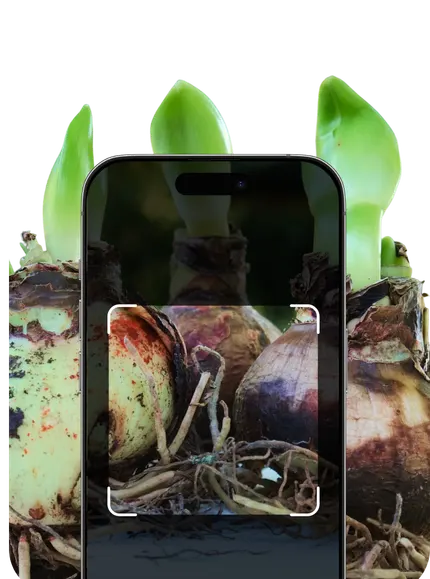

Plant Identifier Online for Free
Use easy-to-see images for the best plant ID results. Try not to take photos from very far away.
 POPULAR
False Shamrock
Oxalis triangularis
 POPULAR
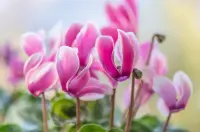
Cyclamen
Cyclamen persicum
 POPULAR
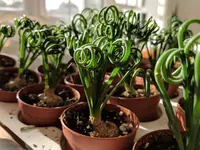
Curly Tamarak
Albuca spiralis
 POPULAR
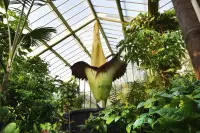
Corpse Flower
Amorphophallus titanum
 POPULAR
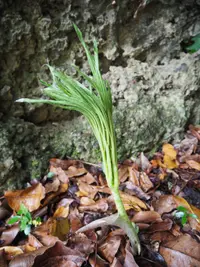
Amorphophallus henryi
Amorphophallus henryi
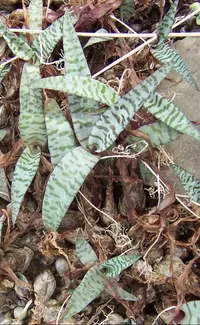 POPULAR
Silver squill
Ledebouria socialis
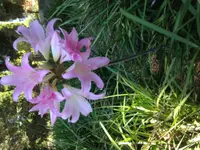 POPULAR
Naked Lady plants
Amaryllis belladonna
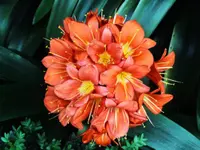 POPULAR
Bush Lily
Clivia miniata
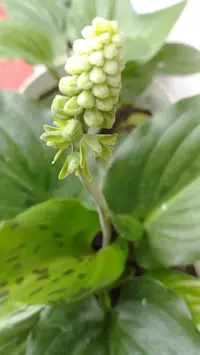 POPULAR
African False Hosta
Drimiopsis maculata
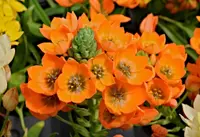
Yellow Chincherinchee
Ornithogalum dubium
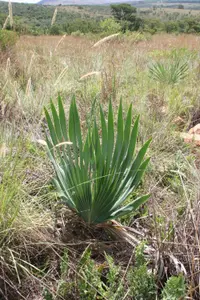
Bushman's Poison Bulb
Boophone disticha
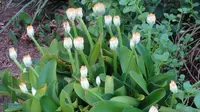
White Bloodlily
Haemanthus albiflos
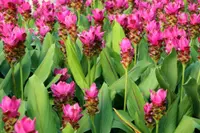
Siam Tulip
Curcuma alismatifolia
-1-200x150.webp)
Pregnant onion
Albuca bracteata
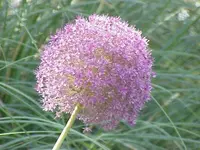
Giant allium
Allium giganteum
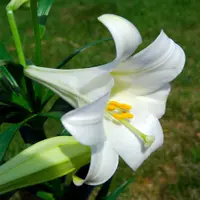
Easter Lily
Lilium longiflorum
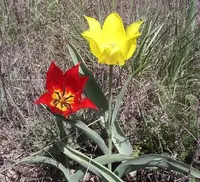
Garden tulip
Tulipa gesneriana
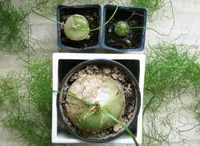
Sea Onion
Bowiea volubilis
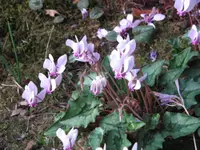
Ivy-leaved cyclamen
Cyclamen hederifolium
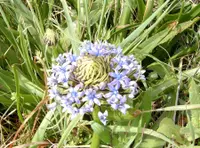
Portuguese squill
Scilla peruviana
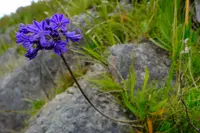
Lily of the Nile
Agapanthus africanus
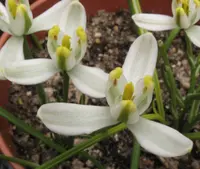
Albuca humilis
Albuca humilis
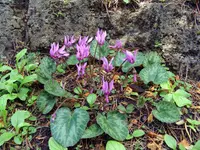
cyclamen
Cyclamen purpurascens
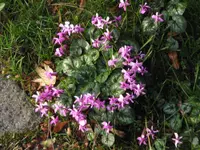
Eastern sowbread
Cyclamen coum
Bulb flower identification is not based on random similarities. Botan uses such visible characteristics as overall shape, surface structure, and size as the basis for recognition. Below, we’ll consider each of them in detail.
The underground stem shape is one of the most important and reliable characteristics for identifying a plant. In nature, there are most commonly four forms:
At first glance, all the stems look the same in shape. But there are differences after all. The virtual bulb identifier can help you to figure out what the stem shape is in front of you; moreover, in any place, whether it is your garden, a greenhouse, or just out on the street.
The bulb itself is an underground stem with fleshy leaves that contain stored food during dormancy (the period when growth is temporarily stopped due to low temperatures or other environmental conditions to conserve energy). It usually has an outer covering called a tunic, whose main function is to protect the underground stem from drying and mechanical damage. Although stems without such a covering, in which scales are exposed, are also found in nature. Here are typical surface structures:
There isn’t always time to identify bulbs by surface texture. By taking a photo and using the scanner, you can receive the information you need in just 1-3 seconds.
There is no single specific size in nature. Physical dimensions of a dormant underground stem depend on the plant type and dictate planting depth. In general, bulbs are divided into three groups based on their sizes:
As a beginner gardener, you might be wondering how to plant underground stems of different sizes correctly. The plant bulb identifier can not only determine which flower a particular stem belongs to based on its size, but also provide advice on how to plant it properly and at what depth.
Even professionals may struggle when identifying them. After all, underground stems have similar tunic texture, overlapping size ranges, and absence of leaves or flowers when dormant. The table below illustrates the similarities between stems and the details to look for when identifying bulbs.
Similarities Between Bulbs | Details to Look Out For |
Tunic texture – many types have a dry, papery covering. That’s why they look similar at first glance. | Pay attention to the exact outer covering, whether it is papery, scaly, smooth, or rough. |
Overlapping size ranges – the sizes of stems in different plants may coincide partially. For example, a small bulb from one plant = the medium one of another. | The terms “small”, “medium”, and “large” are relative. It all depends on the specific plant. So, don’t focus on size only. Examine the stem shape and its surface texture. |
Absence of leaves and flowers during dormancy – identifying a plant without such parts becomes difficult. | Look at the stem itself and determine its shape, covering, top, and firmness. |
Similar shape – many species have a round or oval shape when dormant. | Take a closer look at the underground stem, whether it is more teardrop-shaped, round, clove-like, or knobby. |
Neutral colors – most are brown, tan, or cream. These colors make them hard to distinguish. | Focus on the shade itself and determine whether it is even or with spots, stripes, or other visible signs. |
Note that even with the details mentioned in the table, you can easily confuse and waste a lot of time. The flower bulb identifier will make it quicker, simpler, and more accurate.
If you are an amateur gardener, it gets tricky without a botany education to identify plants, especially when finding an underground stem in the garden. In such a case, you have no idea what kind of flower it is. So you open reference books or Google to find the answer. And that can take hours. But you need a quick and reliable answer, don’t you?
Species ID with Botan greatly simplifies the process and reduces it to just 1-3 seconds. Here’s how it works:
Note that the detector can show unclear information due to a blurry photo. So, hold the phone steady, not from very far away, and focus specifically on the bulb. The image must clearly show the surface structure, shape, size, and color.
Yes. All the app needs to do is scan the shape, surface texture, size, and color.