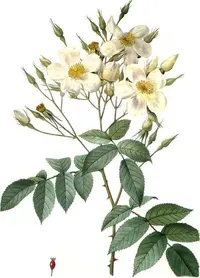
cyclamen Care (Cyclamen purpurascens)

Also known as: European Cyclamen
cyclamen

About cyclamen

Cyclamen purpurascens, often called European cyclamen, is a small tuberous perennial valued for its long flowering season and strong fragrance. It forms low clumps of heart-shaped, marbled leaves and delicate, nodding flowers in shades of pink to deep rose.

This species is native to central and southeastern Europe, where it grows in cool, shaded woodlands and rocky slopes. It prefers humus-rich, well-drained soil and steady moisture without waterlogging.

Cyclamen purpurascens can be moderately challenging, as it dislikes heat, drought, and heavy, wet substrates. Gardeners who learn how to care for Cyclamen purpurascens often find it long-lived and dependable in the right conditions.

Main Plant Requirements

Care Difficulty

Moderate Care

Light Preference

Partial Shade

Water Requirements

Moderate Water

Temperature Preference

Cold Hardy

Hardiness Zone

4–8

Soil Texture

Loamy, Peaty, Organic-rich

Soil pH

Acidic (5.5–6.5), Slightly acidic (6.5–7.0)

Soil Drainage

Moist but well-drained

Fertilization

Light (every 4–6 weeks)

Get Personalized Care Plan

Scan your plant to receive care tips personalized for your specific plant

Available on iOS and Android

How to Care for the cyclamen

This woodland perennial prefers cool, dappled light that mimics its natural forest habitat.

  • Provide bright shade or filtered light with 2–4 hours of soft morning sun; avoid strong midday and afternoon sun that can scorch leaves.
  • Site Cyclamen purpurascens under deciduous shrubs or trees so it receives more light in spring and autumn, then protection from summer sun.
  • Watch leaf color and habit: pale, scorched, or curling leaves suggest too much sun, while very long, floppy stems indicate insufficient light.

This tuberous plant needs moisture-retentive yet free-draining soil and careful watering around its active growth period.

  • Water when the top 2–3 cm of soil feel dry, aiming for evenly moist but never saturated soil around the tuber, not on top of it.
  • Use sharply drained soil or a sloped bed so excess water runs off; soggy conditions and standing water increase risk of tuber rot.
  • Reduce watering in summer dormancy when leaves yellow and die back, then increase again as new growth appears, watching for limp leaves as an early sign of drought stress.

This species prefers cool conditions and tolerates cold better than heat, especially during active growth.

  • Aim for 50–68°F (10–20°C) during the main growing season; cooler nights within this range support compact growth and flowering.
  • Mature plants survive brief dips to about 23°F (-5°C) under leaf litter or snow, but young plants benefit from protection from hard, exposed frosts.
  • Provide shade and extra mulch in hot periods above 77°F (25°C); sustained heat can trigger early dormancy and weaken the plant over time.

This species benefits from moderately moist air but stays healthy in typical indoor humidity if roots are not overwatered.

  • Aim for 40–60% humidity, avoiding very dry heated rooms that speed leaf and flower wilting.
  • Dry, curling leaf edges or buds failing to open can indicate low humidity stress rather than underwatering.
  • Increase humidity with a nearby pebble tray or grouped plants, but keep foliage dry and ensure strong air movement to prevent fungal issues.

Cyclamen purpurascens prefers a loose, humus-rich, sharply drained substrate that still holds some consistent moisture.

  • Use a mix of roughly 40% fine pine bark, 30% peat or coco coir, and 30% perlite or coarse sand for a light, open texture.
  • Target slightly acidic to neutral pH around 6.0–7.0 to support nutrient uptake and healthy root growth.
  • Ensure fast drainage so water runs through quickly; the tuber should never sit in waterlogged or compacted soil.
  • Avoid heavy clay, unamended garden soil, or mixes that crust on top, and add extra perlite or bark to improve aeration if drainage slows.

This species is well suited to container growing when the pot and drainage are managed carefully.

  • Choose a pot just a little wider than the tuber to prevent excess wet substrate, which increases rot risk.
  • Use a relatively shallow container so the tuber sits slightly above the mid-depth, reducing prolonged moisture around its crown.
  • Select unglazed terracotta if overwatering is a concern, as its porous walls allow faster evaporation and help the mix dry evenly.

Feeding needs are modest, but thoughtful fertilization supports flowering and foliage of Cyclamen purpurascens in containers.

  • Use a balanced liquid fertilizer (around 10-10-10) at 1/2 strength every 3–4 weeks during active growth and flowering.
  • Apply only to moist soil to avoid root burn and never pour fertilizer directly on the tuber surface.
  • Stop or reduce feeding sharply in late spring and summer dormancy, resuming lightly as new leaves emerge.
  • For outdoor clumps, a thin top-dressing of fine compost in early spring is usually sufficient.

Pruning is light and focuses on cleanliness and encouraging continued flowering rather than reshaping Cyclamen purpurascens.

  • Twist and pull spent flower stems cleanly from the base during blooming season to support repeat flowering and reduce seed formation.
  • Remove yellowing or damaged leaves by gently tugging from the base to improve air flow and reduce disease risk.
  • Use clean fingers or small snips disinfected with alcohol to avoid spreading fungal problems.
  • Avoid cutting into the tuber; only remove soft, rotten, or obviously diseased tissue if absolutely necessary.

Container-grown Cyclamen purpurascens prefers to be slightly snug, so repotting is infrequent and should be done with care.

  • Repot only when roots circle the pot base, growth slows, or soil becomes compacted, usually every 3–4 years.
  • Best timing is late summer to early autumn, just before new growth, using a shallow pot with excellent drainage.
  • Position the tuber with the top at or just below soil level in a gritty, well-drained mix to limit rot risk.
  • Handle the tuber gently, keep existing roots as intact as possible, and water lightly for the first 1–2 weeks to reduce stress.

Propagation of Cyclamen purpurascens is usually done from seed, as division of the tuber is risky and often unsuccessful.

  • Sow fresh seed in late summer to autumn in a shallow tray filled with fine, well-drained seed mix.
  • Provide cool conditions (50–60°F) and even moisture; germination can take several weeks to months.
  • Cover seed lightly and keep in low to moderate light until seedlings emerge, then increase light gradually.
  • Transplant seedlings carefully when they have several true leaves, keeping the tiny tubers just below the surface.

This species is quite cold hardy in many temperate climates and generally needs only modest winter care in the ground.

  • Established outdoor plants tolerate freezing conditions, though extreme cold below local norms may damage foliage.
  • Apply a light mulch of leaf litter or fine bark in late autumn to insulate the tuber zone without smothering crowns.
  • In very cold regions or exposed sites, grow in containers and overwinter in a cold, bright, frost-free area.
  • Keep winter soil barely moist; avoid waterlogging, which increases tuber rot during cold periods.

Care Tips

Summer dormancy handling

If foliage yellows and dies back in summer, reduce watering sharply, move the pot to a cool shaded spot, and keep the soil just barely moist so the tuber does not shrivel during dormancy.


Tubers set shallow

When repotting, position tubers with the top just at or slightly above the soil surface and avoid burying the crown, which lowers the risk of rot and encourages healthy leaf and flower emergence.

Targeted deadheading

Remove spent flowers by gently twisting and pulling the entire flower stem from the base, which helps prevent seed set and channels energy back into the tuber for future blooming.

Cool root management

Use a clay pot and place it on a pebble tray with water below the pot base to keep roots slightly cooler and more stable in temperature, which this species prefers for long-term vigor.

Slugs and vine weevils

Inspect pots and nearby soil regularly for slug damage and vine weevil larvae, and use physical barriers, hand-picking, and, if needed, targeted biological controls to protect the tubers when growing Cyclamen purpurascens outdoors.

Common Pests and Diseases

Cyclamen mite

This pest feeds on young, soft tissues and causes leaves to become distorted, stunted, and rough, often with deformed or aborted flower buds. Symptoms include tight, twisted growth in the crown while older leaves may look relatively normal.

Solution

Isolate affected plants, remove and discard the worst-distorted leaves and flower buds, and increase air movement around the plant. Treat the crown and undersides of leaves with a miticide labeled for cyclamen mites or repeated applications of insecticidal soap, keeping the plant in cooler conditions to reduce mite reproduction while monitoring new growth closely.

Vine weevil

This pest damages Cyclamen mainly in the larval stage, when grubs feed on roots and the tuber, causing wilting and sudden collapse, while adults notch leaf edges. Symptoms include loose, unstable plants in the pot and chewed leaf margins.

Solution

Inspect the root ball, remove and destroy any white, legless grubs, and discard severely hollowed tubers. Apply a biological control such as beneficial nematodes targeting vine weevil larvae to the potting mix and hand-pick adult beetles at night to prevent reinfestation.

Botrytis blight

This disease appears in cool, humid conditions as soft, water-soaked spots on leaves, flower stalks, and petals that quickly develop gray, fuzzy mold. Symptoms include collapsed flower stems and rotting tissue around the crown or spent flowers left on the plant.

Solution

Remove and discard all affected leaves, flowers, and plant debris from the soil surface, then improve airflow and avoid overhead watering. Water at the soil level, reduce humidity around the plant, and, if the problem persists, use a fungicide labeled for Botrytis applied according to the manufacturer’s directions as part of broader Cyclamen purpurascens care instructions.

Fusarium wilt

This disease blocks water movement in the plant, leading to yellowing, one-sided wilting, and gradual collapse even when the soil is moist. Symptoms include brown streaks in the vascular tissue of petioles and a weakened, discolored tuber.

Solution

Remove and discard severely affected plants and any nearby contaminated potting mix, as the fungus can persist in soil. Use fresh, sterile substrate, clean pots and tools with a disinfectant, and keep growing conditions stable with moderate moisture and good drainage to limit stress and the spread of the pathogen.

Cyclamen mosaic virus

This disease causes mottled, streaked, or deformed leaves and flowers, with plants often showing reduced vigor and uneven growth. Symptoms include pale or yellow patterns between veins and distorted petals that do not open normally.

Solution

Remove and destroy infected plants, as virus infections cannot be cured, and avoid taking cuttings or dividing tubers from symptomatic specimens. Control sap-sucking insects such as aphids that spread viruses, disinfect tools between plants, and source new Cyclamen from reputable, virus-tested stock.

Interesting Facts

Evergreen woodland cyclamen

Unlike many other cyclamen that go fully dormant and lose their leaves in summer, this species is almost evergreen in cool woodland conditions, often keeping foliage year‑round in its native Central European forests.

Cool-season fragrance

Its small nodding flowers produce a noticeable sweet fragrance, especially in the cooler evening and morning hours, which is more pronounced than in several closely related cyclamen species.

Natural forest carpeting

In suitable beech and mixed woodlands of the Alps and Carpathians, this species can form long-lived, slowly spreading colonies from tubers and self-sown seed, creating dense groundcover under trees for decades.

Botan icon

Did you know?

This species is native to parts of Central Europe, including Austria and Slovenia, and is considered one of the few truly hardy cyclamen, with long-lived tubers that can survive for many years in cold climates where other cyclamen species fail.

FAQs about cyclamen

This species usually flowers from mid-summer into early autumn. In suitable conditions, individual blooms last 3–4 weeks, and the plant can stay in good flower for 6–8 weeks with consistent moisture and cool temperatures.

Grow Healthy Plants with Botan Care

Keep your plants happy and healthy with plant identification, disease detection, and easy care guidance.

Botan plant care app — identify plants on mobile

Explore More Plants