Moss Identifier
Identify Any Moss by Photo
Spotted a patch of moss on a log, a wall, or somewhere in the garden? Take a photo and find out what species it is.


Identify Any Moss by Photo
Spotted a patch of moss on a log, a wall, or somewhere in the garden? Take a photo and find out what species it is.
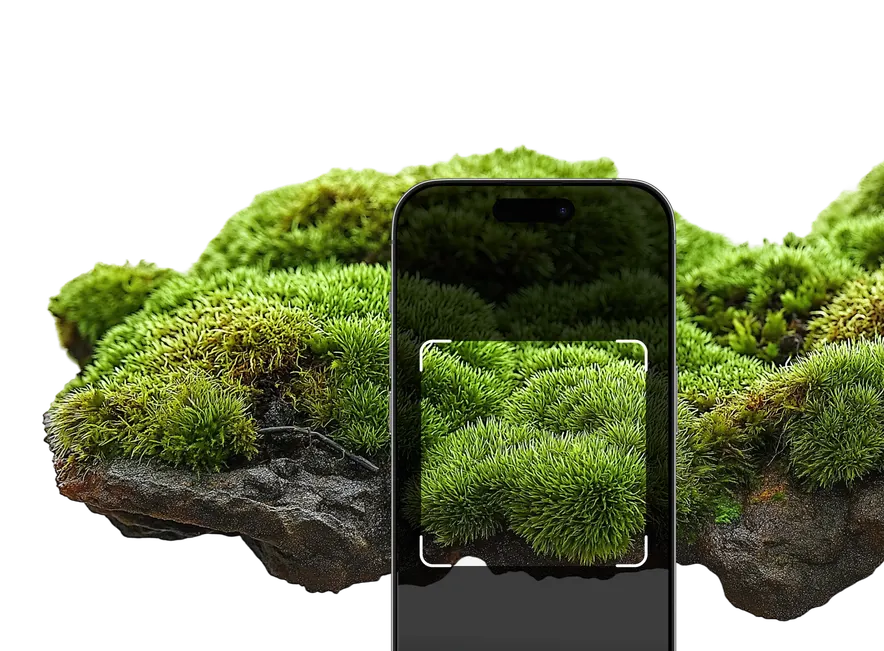

Plant Identifier Online for Free
Use easy-to-see images for the best plant ID results. Try not to take photos from very far away.
Crystalwort
Riccia fluitans
silvergreen bryum moss
Bryum argenteum
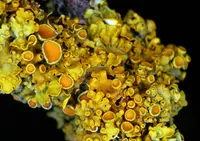
orange wall lichen
Xanthoria parietina
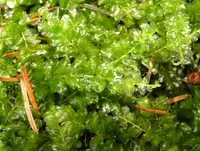
Many-fruited Thyme-moss
Plagiomnium affine
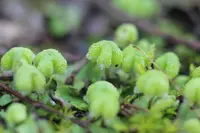
California asterella
Asterella californica
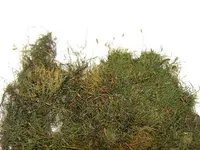
Creeping Feather Moss
Amblystegium serpens
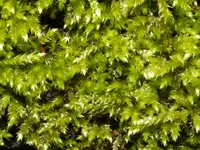
brachythecium moss
Brachythecium rutabulum
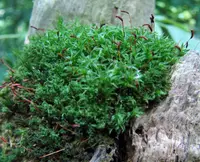
undulate atrichum moss
Atrichum undulatum
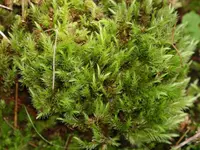
aulacomnium moss
Aulacomnium palustre
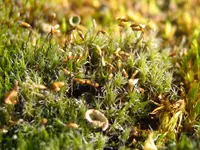
campylopus moss
Campylopus introflexus
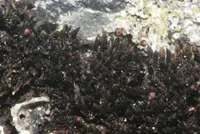
andreaea moss
Andreaea rupestris
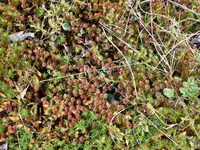
atrichum moss
Atrichum angustatum
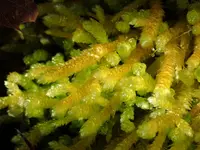
bryoandersonia moss
Bryoandersonia illecebra
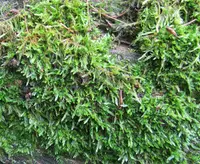
callicladium moss
Callicladium haldanianum
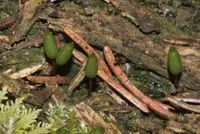
buxbaumia moss
Buxbaumia viridis
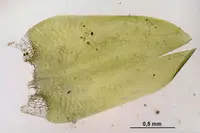
calliergonella moss
Calliergonella cuspidata
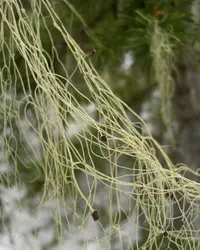
witch's hair lichen
Alectoria sarmentosa
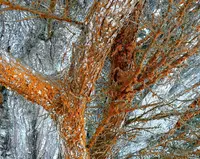
Orange Rock Hair
Trentepohlia aurea
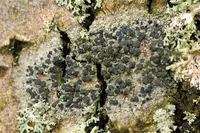
Tiny button lichen
Amandinea punctata
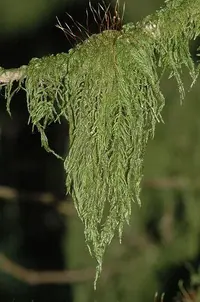
antitrichia moss
Antitrichia curtipendula
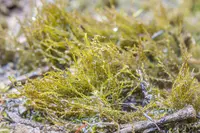
alternateleaf archidium moss
Archidium alternifolium
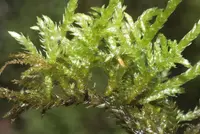
brachythecium moss
Brachythecium rivulare
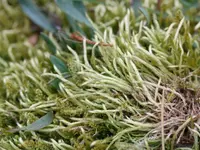
brachythecium moss
Brachythecium albicans
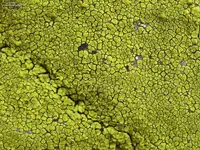
cracked lichen
Acarospora socialis
Moss lives by its own rules. Without flowers, seeds, or true leaves, it offers no obvious clues to use when studying wildflowers. If you want to know how to identify moss, look for clues in 3 places: how the colony grows, what the tiny green parts look like up close, and whether there are any reproductive stems protruding from the cushion.
The shortest way to an accurate moss species identification is to step back and examine the shape of the entire area before zooming in on an individual stem. Most species typically grow in one of three ways, and knowing which type you're looking at reduces the list of candidates by half:
Once you've assigned a site to one of these three groups, the next steps — determining phyllid shape and sporophyte form — become much easier.
The small green parts of the moss aren't true leaves. They're called phyllids, and they provide most of the clues to identify moss, so a magnifying glass (10x is plenty) can really help here. Common variations worth checking for:
Wet and dry moss can look like completely different species, so note the conditions when making an identification.
Since there are no flowers or seeds, the sporophyte is the next most important characteristic for confident moss identification. The sporophyte is a slender stalk with a spore capsule at the top, and the capsule's shape alone often narrows the search to the genus. Common capsule forms include:
Spring and early summer are usually the best months to find capsules with uncapped caps. Not every plant may have sporophytes at this time, so if you don't see any, come back later in the season.
The following common moss identification chart covers several bryophytes you're likely to encounter in gardens, woodlands, and damp corners of your yard. Compare what you see with the nearest specimen, then look closely at the phyllid shape and sporophyte form to identify the species.
What You See | Common Example |
Spongy mats in bogs and wet ground, often pinkish or red | Sphagnum (peat moss) |
Tall, dark-green tufts with stiff, bristly parts | Polytrichum (hair-cap moss) |
Feathery branching carpets on logs and rocks | Hypnum (feather moss) |
Star-shaped rosettes with broad, flat phyllids | Mnium (star moss) |
Rounded cushions with sickle-shaped phyllids | Dicranum (broom moss) |
In addition to using this moss identification chart, it's also helpful to know where exactly this flowerless plant grows. The habitat alone, whether it's a swamp, a brick wall, a tiled roof, or a tree trunk, often eliminates half the similar species.
There are 5 strong reasons to use Botan as an accurate moss identifier:
The main reason to use our identification tool is that you don't need a botany degree to get a confident answer.
Yes. The database includes common terrarium species, such as cushion, leaf, and Java moss, and the care recommendations are tailored to indoor, humid conditions.