campylopus moss Care (Campylopus introflexus)

Also known as: Heath Star-moss
campylopus moss

About campylopus moss

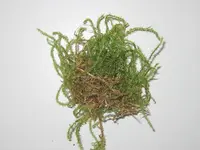
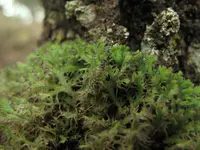
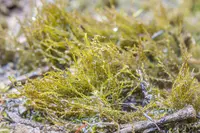
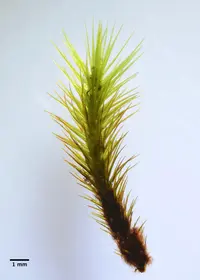
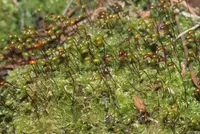
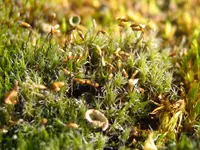
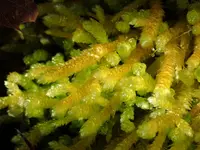
Campylopus introflexus, often called heath star moss, is a hardy acrocarpous moss that forms dense, low cushions or mats. Its upright, narrow leaves give a fine, bristly texture and a neat, carpet-like look.

This species is native to the Southern Hemisphere but now occurs widely in temperate coastal and heathland areas, often colonizing sandy or disturbed soils. It spreads quickly by spores and fragments, which makes it vigorous and sometimes invasive, but also quite resilient in cultivation.

It generally prefers cool, moist, acidic substrates with bright but indirect light. Understanding how to care for campylopus moss starts with providing consistent moisture and avoiding heavy foot traffic on the growing surface.

Main Plant Requirements

Care Difficulty

Moderate Care

Light Preference

Partial Shade

Water Requirements

Keep Soil Moist

Temperature Preference

Cool Climate

Hardiness Zone

6–10

Soil Texture

Sandy, Loamy, Organic-rich

Soil pH

Strongly acidic (4.5–5.5), Acidic (5.5–6.5)

Soil Drainage

Moist but well-drained

Fertilization

Minimal (feed rarely)

Get Personalized Care Plan

Scan your plant to receive care tips personalized for your specific plant

Available on iOS and Android

How to Care for the campylopus moss

This moss prefers bright, soft light similar to a lightly shaded forest floor.

  • Provide 2–4 hours of gentle morning sun with bright, dappled or filtered light the rest of the day; avoid harsh afternoon sun on exposed sites.
  • Campylopus moss tolerates partial to full shade but becomes looser and more open if light is too low for many weeks.
  • In hot summers, protect patches from direct sun between 11 a.m. and 4 p.m. to prevent bleaching and drying, especially on rocks or sandy banks.

This moss needs consistently moist conditions but suffers if left waterlogged for long periods.

  • Aim for a constantly damp surface; let only the top 1–2 mm start to feel less glossy before lightly rewetting with rainwater or dechlorinated water.
  • Reduce soaking during cool, wet seasons and increase misting or gentle watering in dry, windy, or hot weather so Campylopus introflexus does not crisp at the tips.
  • Watch for pale, brittle shoots as a sign of underwatering, and for dark, slimy patches or standing water as signs of poor drainage and overwatering.

This moss is quite hardy and adapts to a broad outdoor temperature range when moisture is stable.

  • Optimal growth occurs around 50–70°F (10–21°C), especially in cool, moist, and shaded microclimates with consistent humidity.
  • It tolerates short drops to about 20°F (-6°C) when established, but repeated freeze–thaw cycles on exposed, dry sites can damage cushions.
  • In hot spells above 80–85°F (27–29°C), give extra shade and moisture; avoid heat-reflective surfaces that overheat and desiccate the moss.

This moss needs consistently high humidity to stay dense and green.

  • Aim for 70–90% humidity, mimicking the moist, shaded habitats where campylopus moss naturally grows.
  • It tolerates brief dips to 50–60%, but prolonged dry air causes browning tips and thinning patches.
  • Increase humidity with frequent fine misting, grouped trays of wet pebbles, or a covered, ventilated terrarium setup.

Campylopus introflexus prefers a moist, airy, acidic substrate that holds water yet drains freely.

  • Use a mix of 2 parts fine pine bark or coco coir, 1 part sharp sand, and 1 part perlite to create a loose, fibrous texture.
  • Target a slightly acidic pH around 4.5–6.0 by avoiding lime and using rainwater or distilled water where possible.
  • Keep the substrate evenly moist but never waterlogged, as stagnant conditions cause lower stems to rot and mats to lift.
  • Avoid dense garden soil, clay-heavy mixes, or peat packed tightly, which restrict air movement around the rhizoids and slow spread.

This species is suitable for shallow container culture when moisture stability is controlled.

  • Choose a wide, shallow tray so the moss can spread as a low carpet while water distributes evenly across the surface.
  • Use a container material that slows evaporation, such as glazed ceramic or plastic, to keep the thin substrate from drying too fast.
  • Raise the container on feet or mesh so drainage holes clear water quickly and the lower moss layer does not sit in a puddle.

This moss generally grows well on low-nutrient substrates and needs little to no fertilization in typical cultivation.

Pruning needs for Campylopus introflexus are minimal and mainly cosmetic in managed moss carpets or terrariums.

  • Trim small patches during active growth in spring or early summer to keep mats even and contained.
  • Remove browned, damaged, or contaminated tufts with fine scissors or tweezers to limit decay and algae growth.
  • Shape edges by snipping only the upper tips, which maintains density while preventing over-thinning of the mat.

In cultivation, this moss is usually transplanted rather than repotted, as it anchors shallowly to stone, wood, or loose substrate.

  • Transplant when mats detach easily, growth becomes patchy, or the substrate compacts and drains poorly.
  • Choose mild, moist weather or a cool indoor period, avoiding heat and intense sun during the first 1–2 weeks.
  • Lift thin sections with a spatula, keeping the underside intact, and press them gently onto fresh, clean substrate.
  • Mist thoroughly after transplanting, then keep evenly moist and shaded to reduce stress while rhizoids reattach.

Campylopus introflexus is most often propagated vegetatively by dividing mats or using small stem fragments.

  • Carry out division in cool, moist seasons or under stable indoor conditions with high humidity.
  • Tear or cut mats into small plugs, each with healthy green shoots and some brown basal tissue for anchoring.
  • Press fragments firmly onto rough, moist, acidic substrate such as peat-based mix, bark, or lava rock.
  • Maintain 80–100% humidity, diffuse light, and consistently moist conditions until new tips extend and fill gaps.

This moss is cold hardy and usually needs no special winter care when established outdoors in temperate climates.

  • In very exposed sites, a light leaf mulch around the substrate edges can reduce freeze–thaw disturbance.
  • For shallow containers, move trays to a sheltered, unheated spot to limit drying winter winds.
  • Ensure the substrate does not stay waterlogged for long periods, which can lead to rot under ice or snow.

Care Tips

Use acid-stable substrates

For long-term mats, establish colonies on inert, slightly acidic materials such as lava rock, pumice, or hardscape stone rather than bark or organic mulches, which break down and smother rhizoids over time.

Control competing algae

In very damp setups, limit algae by keeping water movement gentle but continuous, avoiding nutrient-rich runoff, and periodically rinsing the moss surface with low-mineral water to remove biofilm without abrasion.

Manage invasive spread

Outdoors, physically edge beds with stone or plastic barriers and hand-lift any advancing tufts several times per year, as this species can overrun small rock gardens and outcompete slower bryophytes once established.

Use fine mist tools

Apply moisture with a fine-mist sprayer or fogger positioned above the colony so droplets fall like rain, which keeps shoots upright and minimizes soil splash or mechanical damage when growing campylopus moss in shallow trays.

Secure loose fragments

When establishing new patches, press small fragments onto the substrate and overlay with a loose plastic mesh or nylon netting for 2–4 weeks, which prevents displacement by watering and encourages an even, carpet-like cover.

Common Pests and Diseases

Slime molds

This disease appears as slimy, often brightly colored patches that creep over moss cushions in very wet, nutrient-enriched spots. Symptoms include temporary smothering and discoloration of the moss surface.

Solution

Reduce excess nutrients by avoiding runoff from fertilized soil, gently rinse the moss surface with clean water, and improve air movement so surfaces dry slightly between wet periods. Physically remove heavy slime mold patches with a soft brush or by trimming affected tufts to allow healthy moss to regrow.

Algal overgrowth

This disease forms a thin green film that coats the moss and substrate in stagnant, nutrient-rich water conditions. Symptoms include dull, slick-looking cushions and slowed moss growth due to shading and competition.

Solution

Lower nutrient levels by avoiding fertilizer contact, increase light and airflow, and shorten waterlogging periods by improving drainage. Lightly rinse or gently rub the surface with a soft brush under water to remove surface algae without tearing the moss.

Fungal leaf spot

This disease causes scattered dark or pale spots and patchy dieback in overly shaded, constantly wet cushions. Symptoms include thinning patches and fragile, discolored shoots that break down quickly.

Solution

Improve airflow and light, avoid strong water jets that compact the cushions, and allow the surface to drain between watering or rainfall events. Remove and discard heavily spotted or decaying clumps to reduce spore levels and encourage new, clean growth, following general Campylopus introflexus care guidelines for moisture control.

Springtail grazing

These insects are tiny, jumping soil arthropods that can chew on soft moss tips when populations are very high in saturated substrates rich in organic debris. Symptoms include slightly ragged shoot tips and a fine speckled appearance on new growth.

Solution

Reduce excessive organic debris and keep the substrate just moist rather than waterlogged, which lowers springtail numbers naturally. If damage continues, briefly flood and then drain the moss tray to flush populations, or relocate the colony to a better-drained, less decomposing substrate.

Interesting Facts

Specialist of sandy soils

This moss commonly colonizes acidic, nutrient-poor sandy substrates, such as coastal dunes, heaths, and disturbed sandy forest floors, where many other mosses struggle to establish.

Strong invasive behavior

Native to the Southern Hemisphere, it has become a notable invasive species in parts of western Europe and along the Pacific Coast of North America, where it can outcompete local moss flora and alter ground-layer communities.

Distinctive inrolled leaf tips

Its leaves end in a hyaline (translucent) hair point that typically bends inward when dry, a trait that helps distinguish it from many other similar-looking mosses under field conditions.

Botan icon

Did you know?

In some coastal dune systems, dense carpets of this species can change how sand moves and accumulates at the surface, subtly reshaping microtopography and influencing which other plants are able to colonize those sites.

FAQs about campylopus moss

This species spreads by spores and creeping stems, forming dense carpets over time. In mild, humid climates it can colonize open soil, rock, or roofs quickly, sometimes outcompeting slower mosses and small seedlings if unmanaged.

Grow Healthy Plants with Botan Care

Keep your plants happy and healthy with plant identification, disease detection, and easy care guidance.

Botan plant care app — identify plants on mobile

Explore More Plants