brachythecium moss Care (Brachythecium rivulare)

Also known as: Waterside Feather Moss, River Feather-moss
brachythecium moss

About brachythecium moss

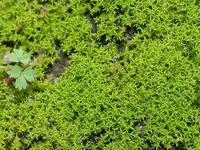
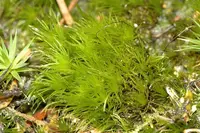
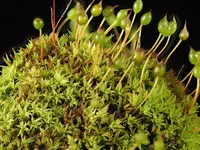
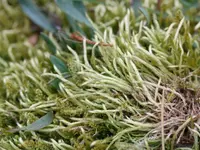
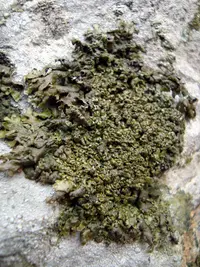
Brachythecium rivulare is a creeping aquatic or semi-aquatic moss that forms soft, bright to yellow-green carpets along streams, rocks, and damp soil. It is a true moss, not a vascular plant, so it has no true roots or flowers.

This species is common in cool, clean, moving water across Europe and North America, often covering stones and wood where moisture is constant. It grows quickly under stable, humid conditions and tolerates periodic submersion, which makes care for brachythecium moss relatively straightforward in suitable setups.

It prefers shaded to lightly filtered light, cool to mild temperatures, and consistently moist, low-nutrient substrates such as rocks, wood, or sand with good water quality.

Main Plant Requirements

Care Difficulty

Moderate Care

Light Preference

Partial Shade

Water Requirements

Aquatic

Temperature Preference

Cold Hardy

Hardiness Zone

4–9

Soil Texture

Loamy, Silty, Organic-rich

Soil pH

Acidic (5.5–6.5), Slightly acidic (6.5–7.0)

Soil Drainage

Waterlogged tolerant

Fertilization

Minimal (feed rarely)

Get Personalized Care Plan

Scan your plant to receive care tips personalized for your specific plant

Available on iOS and Android

How to Care for the brachythecium moss

This streamside moss prefers cool, shaded locations with only brief, gentle sun exposure.

  • Provide 1–2 hours of soft morning sun with 6–8 hours of bright shade or dappled light the rest of the day along north or east sides of rocks, logs, or banks.
  • Avoid strong midday or afternoon sun, which can scorch fronds within hours; leaf tips turning pale or crisp indicate excess light exposure.
  • In summer, increase shade or use overhead filtering from shrubs; in winter, reduced day length is acceptable as long as sites do not dry out completely.

This moss depends on steady surface moisture rather than deep soil watering.

  • Keep the substrate constantly moist to the touch; do not allow the top 0.5–1 cm to dry out for more than a day, especially on exposed rocks or stream edges.
  • Use gentle overhead watering or misting so water films over the moss without creating standing puddles; yellowing, brittle patches indicate underwatering.
  • Reduce watering slightly in cool seasons while still preventing complete drying; slimy, dark patches with musty odor signal poor drainage and overwatering conditions.

This species prefers cool to mild conditions and tolerates substantial cold when kept moist.

  • Aim for 45–65°F (7–18°C) as the main growth range, typical of shaded stream margins and damp woodland sites.
  • Brachythecium rivulare usually survives down to about 20°F (−6°C) if not exposed to drying winds; below this, desiccation plus freezing can damage tissue.
  • Short periods up to 80–85°F (27–29°C) are tolerated only with high humidity and constant moisture; prolonged heat with dry air leads to browning and dormancy.

This moss prefers consistently moist, high-humidity conditions to stay lush and actively growing.

  • Aim for 70–90% humidity, mimicking its natural streamside or splash-zone habitat.
  • It tolerates brief dips to 50–60% but dries and browns at the tips if air stays too dry or moving air is strong.
  • Increase humidity by using a covered terrarium, pebble tray with water below the mat, or frequent fine misting of brachythecium moss.

This species thrives on moist, fine-textured, organic-rich substrates that stay damp but never stagnant.

  • Use a mix of 60–70% leaf mold or fine compost with 30–40% inert material such as sand or fine grit for structure.
  • Ensure steady, slow drainage; the surface should stay moist while excess water can still seep away rather than pool.
  • Target slightly acidic to neutral conditions, around pH 5.5–7.0, which support stable moss growth and microbial activity.
  • Avoid compacted clay, peat-only mixes, or strongly alkaline, limy substrates that stay waterlogged or crust and repel water.

Brachythecium rivulare can adapt well to shallow containers and terraria when moisture and drainage are carefully balanced.

  • Choose a broad, shallow container so the moss can spread as a mat and moisture distributes evenly across the surface.
  • Add a coarse drainage layer under the substrate to prevent stagnant water collecting directly beneath the moss carpet.
  • Use heavier ceramic or glass containers for outdoor or semi-outdoor setups to reduce tipping as the mat spreads and holds water.

This moss gains little from fertilization and usually thrives on clean, nutrient-poor, moist substrates.

  • If growth is very sparse in culture, use a highly diluted balanced NPK liquid fertilizer at 10–20% strength.
  • Apply only during active growth in spring–summer, no more than once every 4–6 weeks.
  • Avoid fertilizing in winter dormancy and after environmental stress to prevent burn.
  • For caring for brachythecium moss in terrariums, light organic inputs like leaf litter or very fine compost dust are usually sufficient.

Brachythecium rivulare needs only minimal pruning to keep colonies tidy and healthy.

  • Best timing is during active growth in spring or early autumn, when recovery is fastest.
  • Pinch or trim away dead, browned, or detached patches using fine scissors or tweezers.
  • Remove crowded or overthick mats to improve airflow and reduce rot in very damp setups.
  • Shaping by selective trimming helps maintain neat edges along stones, wood, or water features.

This streamside moss is usually transplanted rather than repotted and tolerates division well when kept moist.

  • Transplant in cool, mild weather in spring or early autumn to limit stress and drying.
  • Move patches when growth slows, mats lift easily, or the substrate compacts or erodes.
  • Lift thin sheets with attached substrate, then press gently onto the new damp surface for good contact.
  • Keep the colony evenly moist and shaded for 1–2 weeks after moving to support reattachment and reduce stress.

Brachythecium rivulare is commonly propagated vegetatively by dividing small mats or fragments.

  • Best season is spring or early autumn, when moisture is reliable and temperatures are mild.
  • Tear or cut living green cushions into small pieces, keeping some rhizoids (anchoring filaments) attached.
  • Press fragments firmly onto clean, rough, permanently moist surfaces such as stone, wood, or soil.
  • Maintain high humidity, soft water, and low to medium light until new shoots spread and knit together.

This moss is generally cold hardy and needs little specific winter care in temperate climates.

  • Outdoor colonies tolerate frost and snow if substrates stay damp rather than frozen solid.
  • In shallow containers, keep the substrate just moist and shaded from harsh drying winds.
  • For indoor or terrarium setups, maintain cool conditions, stable moisture, and good air exchange without strong drafts.

Care Tips

Anchor To Substrate

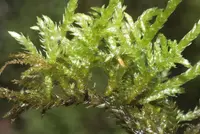
Press the moss gently but firmly onto stone, wood, or fabric mesh and secure with biodegradable thread or netting so the rhizoids can attach and form a stable, even carpet over several weeks.

Use Moving Water

In outdoor or paludarium setups, position the moss where it receives gentle water movement rather than stagnation, which helps keep it clean of silt and biofilm and mimics the running-water habitats this species prefers.

Control Sediment Load

If placed in streams, filters, or water features, use pre-filters or coarse mechanical filtration upstream to reduce fine sediment that can smother the moss and block light at the shoot tips.

Periodic Rinsing Maintenance

Every 2–4 weeks, lightly rinse the colony with clean, low-mineral water or use a soft brush to dislodge debris and algae, taking care not to tear the mat, which keeps the foliage photosynthetically efficient.

Modular Patch Propagation

To expand coverage when growing brachythecium moss, cut small, healthy patches and pin them onto new surfaces at regular intervals, maintaining the same water movement pattern so growth remains uniform and dense.

Common Pests and Diseases

Aquatic algae overgrowth

This disease appears as slimy green, brown, or reddish films that spread across moss cushions, especially in slow-moving or nutrient-rich water. Symptoms include reduced moss vigor and patches that look waterlogged or smothered.

Solution

Reduce nutrient input by avoiding fertilizer, fish food buildup, or runoff, and increase water movement or partial water changes if grown in aquaria or water features. Manually remove algae films with tweezers or a soft brush, shade the area slightly if exposed to strong light, and maintain cooler, clean, low-nutrient water conditions to prevent recurrence when growing Brachythecium rivulare in artificial settings.

Water mold (oomycete) blight

This disease causes pale, limp, rapidly collapsing shoots in saturated, low-oxygen conditions, sometimes with a faint whitish cottony growth on decaying moss. Symptoms include brown, mushy patches that detach easily from their substrate.

Solution

Improve water quality and oxygenation by increasing gentle flow and avoiding stagnant pockets, and physically remove all affected mats to prevent further spread. Rinse remaining healthy moss in clean, cool water, thin overly dense cushions, and reattach small, healthy fragments to well-rinsed stone or wood so they receive steady, cool, moving water rather than pooling moisture.

Freshwater snails

These insects are not involved; instead, small grazing snails feed directly on soft moss shoots, leaving scraped, thinned, or bare patches on rocks and wood. This pest is more common in aquaria, garden ponds, and water features with established invertebrate populations.

Solution

Hand-pick snails regularly, especially at night with a flashlight, and use simple traps such as blanched vegetable pieces or algae wafers to concentrate them for removal. In closed systems, reduce overfeeding fish, clean detritus, and, if compatible with other livestock, consider introducing natural predators like certain small loaches; in outdoor features, use physical barriers or mesh to limit snail entry from surrounding water bodies.

Caddisfly larvae grazing

These insects build tube-like cases from sand, leaves, or tiny sticks and crawl over moss surfaces, biting off shoots and leaving short, ragged cushions. Symptoms include localized, unevenly cropped patches near flowing water where larvae shelter between stones and moss mats.

Solution

Manually remove larvae and their cases from moss-covered stones during routine inspection, especially in controlled water features, and reduce hiding places by gently lifting and rinsing loose debris from between rocks. In artificial streams or aquaria, slightly increase current over affected areas and avoid heavy leaf litter buildup so larvae are less likely to establish dense populations.

Aquatic cyanobacteria

This disease presents as slimy, often dark green, blue-green, or black sheets that spread rapidly over moss cushions and nearby hardscape, emitting a musty or earthy odor. Symptoms include smothered, yellowing moss that detaches from its substrate if the film is peeled away.

Solution

Increase water movement and aeration, remove any decaying organic matter, and manually siphon or peel away cyanobacterial mats as soon as they appear. In aquaria, perform frequent partial water changes, reduce excess light and dissolved nutrients, and consider short-term blackouts or targeted spot treatment with diluted hydrogen peroxide, avoiding direct, prolonged contact with the moss to prevent tissue damage.

Interesting Facts

Specialist of running water

This moss is typically found on stones, roots, and banks in and along cool, fast-flowing streams and rivers, often where it is regularly splashed or briefly submerged. It is adapted to withstand mechanical stress from moving water better than many related mosses.

Strong creeping mats

Its slender, creeping stems branch extensively and form dense, felt-like mats that help stabilize fine sediments and small stones in stream margins. These mats create sheltered microhabitats for aquatic invertebrates and microorganisms.

Indicator of clean streams

Populations are usually most abundant in well-oxygenated, relatively unpolluted waters, so their presence can indicate good stream health. Heavy organic or chemical pollution often reduces its cover or excludes it altogether.

Botan icon

Did you know?

This species shows notable tolerance to periodic desiccation; its shoots can dry out on exposed stones during low water levels and then rapidly resume photosynthesis when re-wetted, allowing it to survive the fluctuating water regimes typical of many temperate streams.

FAQs about brachythecium moss

This species performs best outdoors in cool, humid, shaded environments such as stream banks, rocks, and damp soil. Indoors it is short‑lived unless humidity, airflow, and moisture are carefully managed, so outdoor culture is usually more reliable.

Grow Healthy Plants with Botan Care

Keep your plants happy and healthy with plant identification, disease detection, and easy care guidance.

Botan plant care app — identify plants on mobile

Explore More Plants