buxbaumia moss Care (Buxbaumia aphylla)

Also known as: Bug-on-a-stick, Brown Shield-moss
buxbaumia moss

About buxbaumia moss

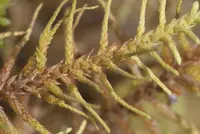
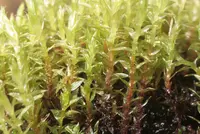
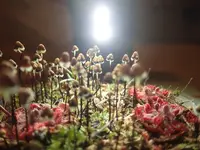
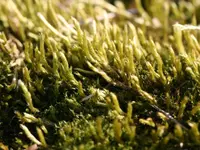
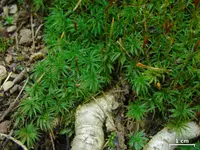
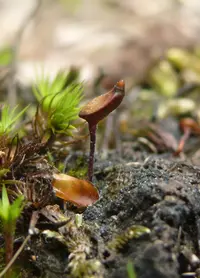
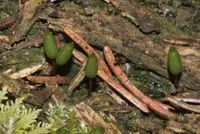
Buxbaumia aphylla, often called bug-on-a-stick moss, is a tiny, unusual moss known for its large upright spore capsules and almost invisible leafy stage. It is a bryophyte, a non-vascular plant that absorbs water and nutrients directly through its surfaces.

This moss typically colonizes disturbed, nutrient-poor, often sandy or decaying wood substrates, especially in conifer forests of temperate regions in North America and Europe. It tends to appear in scattered patches rather than dense carpets.

Its reliance on very specific microhabitats and moisture conditions makes it challenging to cultivate, so care for buxbaumia moss often requires close attention to humidity and substrate stability. It generally prefers cool, shaded locations with consistently moist, but not stagnant, conditions.

Main Plant Requirements

Care Difficulty

Hard Care

Light Preference

Shade

Water Requirements

Keep Soil Moist

Temperature Preference

Cold Hardy

Hardiness Zone

3–8

Soil Texture

Sandy, Loamy, Organic-rich

Soil pH

Strongly acidic (4.5–5.5), Acidic (5.5–6.5)

Soil Drainage

Moist but well-drained

Fertilization

Minimal (feed rarely)

Get Personalized Care Plan

Scan your plant to receive care tips personalized for your specific plant

Available on iOS and Android

How to Care for the buxbaumia moss

This moss prefers cool, shaded forest-like light rather than direct, open sun.

  • Provide 1–3 hours of weak morning sun or bright dappled shade; avoid direct midday or afternoon sun that can scorch delicate tissues.
  • Site buxbaumia moss on the north or east side of logs, rocks, or soil banks where taller plants cast consistent shade.
  • In summer, increase shade or filtered light; in winter, some extra low-angle sun is acceptable if the substrate stays cool and does not dry out.

This species relies on consistently moist, cool substrate rather than frequent heavy watering.

  • Keep the top 0.5–1 cm of soil or decaying wood just moist; allow only a slight surface dulling before rewetting, never full drying or cracking.
  • Use soft, low-mineral water applied gently, letting excess drain away so Buxbaumia aphylla does not sit in stagnant puddles that promote rot and algae.
  • After rainy seasons, reduce added water but monitor for curling, pale, or brittle tissues, which indicate drying and the need for misting or light watering.

This moss is adapted to cool, temperate conditions and struggles in prolonged heat or hard frost.

  • Aim for 45–65°F (7–18°C) during active growth; brief dips to 32°F (0°C) are tolerated if the substrate stays moist and does not freeze solid.
  • Avoid extended exposure above 77°F (25°C); at 80–86°F (27–30°C) shade, high humidity, and good air movement become critical to prevent desiccation.
  • Seasonally, it withstands light frost and cool springs, but repeated freeze–thaw cycles or sudden hot, dry spells can damage sporophytes and reduce colony vigor.

This moss prefers consistently moist air and substrate to sustain its delicate sporophytes.

  • Aim for 60–90% humidity, using frequent misting or a closed terrarium to prevent drying between waterings.
  • Tolerates brief dips to 40–50% humidity but prolonged dry air causes pale, shriveling capsules and fading green tissue.
  • Increase humidity by grouping containers, using a water-filled pebble tray under the pot, or partially covering with clear plastic while allowing some airflow.

This species favors shallow, loose, moist substrates that mimic decaying wood or thin forest soil.

  • Use a fine, crumbly mix of sieved leaf mold or compost with 30–40% sand to keep the structure open and moisture retentive without becoming compacted.
  • Ensure very free drainage; a shallow tray or pot with numerous holes over a coarse gravel layer prevents waterlogging that quickly rots moss tissues.
  • Target slightly acidic conditions around pH 5.0–6.0, similar to natural forest litter where Buxbaumia aphylla often appears on rotting logs or disturbed soil.
  • Avoid dense clay, rich fertilizer additions, and peat blocks that stay waterlogged; instead, keep the surface just damp with visible texture and air spaces.

This moss can be grown in shallow containers if moisture and drainage are tightly controlled.

  • Choose a broad, shallow dish so the substrate stays evenly moist while mimicking the thin soil layer it occupies in nature.
  • Drill or use multiple small drainage holes and add a coarse gravel base so water drains quickly yet leaves the top layer only gently damp.
  • Select plastic or glazed ceramic containers to slow evaporation, then fine-tune moisture by adjusting surface misting rather than deep watering.

This moss is adapted to nutrient-poor habitats and usually needs no additional fertilizer in cultivation.

Buxbaumia aphylla does not need intentional pruning; management focuses on removing spent material only when necessary for hygiene or observation.

Transplanting Buxbaumia aphylla is rarely required and usually done only when relocating a cultivated patch or adjusting a container microhabitat.

  • Move small substrate sections rather than individual plants, keeping the moss, soil, and any decaying wood intact as one piece.
  • Transplant during cool, moist weather in spring or fall to reduce desiccation and stress.
  • Prepare the new site with similarly poor, acidic, well-drained substrate that mimics the original conditions.
  • Water gently after moving to settle the substrate, then keep consistently moist without waterlogging until growth resumes.

Propagation of Buxbaumia aphylla in home settings is challenging, as it relies mainly on fine wind-dispersed spores and very specific microhabitats.

This moss is cold hardy in most temperate climates and typically needs no special winter care beyond stable moisture.

  • Outdoors, allow natural snow cover or leaf litter to act as light insulation without burying patches too deeply.
  • For containers, keep substrate evenly damp but not waterlogged during freeze–thaw cycles to avoid heaving.
  • Place pots in a shaded, sheltered spot to limit drying winter winds and sudden temperature swings.

Care Tips

Microhabitat layering

Place this moss on a thin layer of well-decayed hardwood leaf litter over compact mineral soil or rock, which mimics its natural colonizing niche and supports better sporophyte production than plain potting substrates.

Periodic substrate reset

Every 12–18 months, gently lift and transfer small patches onto fresh, similarly prepared substrate rather than leaving them in place indefinitely, as this imitates the disturbance-dependent lifestyle of the species and maintains vigor.

Spore-focused culture

Allow mature capsules to dry and release spores over adjacent damp substrate instead of cleaning them away, so new colonies can establish and replace short-lived older patches.

Shaded splash zone

Position containers where they receive very fine splash or drip from nearby irrigation or misting (not direct spray), which keeps surfaces intermittently moist without washing away the delicate gametophytes.

Low-competition companions

Regularly remove invading mosses, algae, and tiny vascular seedlings with fine tweezers, since reducing competitors is one of the most effective ways of caring for buxbaumia moss in long-term culture.

Common Pests and Diseases

Slugs and snails

This pest feeds on tender moss tissues and especially on developing sporophytes, leaving ragged or missing capsules and slimy trails on the substrate.

Solution

Hand-pick slugs and snails during damp evenings, use low-profile barriers such as copper tape or rough grit around the moss patch, and avoid leaving decaying plant material that attracts them; in outdoor collections, small covered frames can physically exclude them without disturbing the microhabitat needed for growing Buxbaumia aphylla.

Springtail overpopulation

These insects normally coexist with moss but, in very confined containers with constantly wet substrate, high numbers can disturb young protonemata and sporophytes.

Solution

Reduce chronic saturation by allowing the substrate surface to drain slightly between waterings, improve ventilation, and gently flush the container with clean, non-chlorinated water to disperse excess springtails while preserving the consistently moist but not waterlogged conditions needed for Buxbaumia aphylla plant care.

Fungal damping-off

This disease affects young moss tissue and germinating spores in overly wet, stagnant conditions, causing collapse and browning of new growth areas.

Solution

Improve air movement around the colony, avoid deep standing water, use clean, low-nutrient substrates, and if a container is used, briefly open covers daily to vent humidity; remove obviously decomposing organic debris that fuels fungal spores and adjust watering so the surface is moist but not continuously submerged.

Algal overgrowth

This condition occurs when green algae colonize the same substrate surface, often in bright light and nutrient-rich moisture, forming slick films that outcompete the moss.

Solution

Reduce nutrient input by avoiding fertilizer, increase gentle air circulation, and if grown in a tray or terrarium, periodically siphon off surface water films; lightly shading the substrate and refreshing the top layer of inert medium can also limit algae while preserving adequate light for sporophyte formation.

Bryophyte competitors

These moss competitors, such as faster-growing cushion or mat-forming species, can overrun the sparse gametophytes and sporophytes, especially on disturbed soil or rotting wood.

Solution

Regularly inspect the colony and carefully tease out invading moss clumps with fine tweezers, keeping only the sparse substrate and distinctive sporophytes; managing shade, moisture, and disturbance to favor the original bare or lightly covered substrate helps maintain space for this species to persist.

Interesting Facts

Almost leafless moss

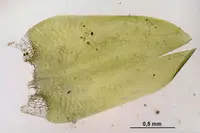
This species has extremely reduced leaf-like structures, so the green sporophyte capsules are far more conspicuous than the tiny, almost invisible gametophyte that produces them.

Burned soil specialist

It often colonizes disturbed, nutrient-poor, or recently burned soil in coniferous forests, taking advantage of open ground and reduced competition from other mosses and vascular plants.

Short-lived appearances

Populations tend to be transient, appearing for only a few years after disturbance and then disappearing as vegetation becomes denser and shade increases.

Botan icon

Did you know?

The species is considered a valuable bioindicator of early-successional, disturbed forest habitats in parts of Europe and North America, so its presence can help ecologists track post-fire and post-logging recovery stages.

FAQs about buxbaumia moss

Growth is very slow. Spores may take many months to establish, and visible sporophytes often appear only after 1–2 years. Disturbance, drying, or lack of decaying organic material can slow development further.

Grow Healthy Plants with Botan Care

Keep your plants happy and healthy with plant identification, disease detection, and easy care guidance.

Botan plant care app — identify plants on mobile

Explore More Plants