Magellan's sphagnum Care (Sphagnum magellanicum)

Also known as: Magellanic Bog Moss, Magellan's Peatmoss
Magellan's sphagnum

About Magellan's sphagnum

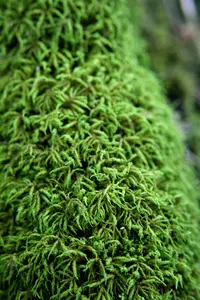
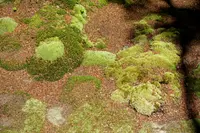
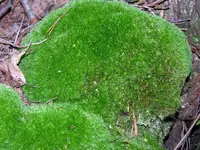
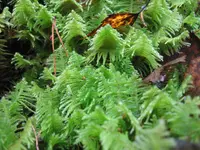
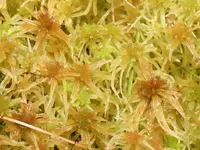
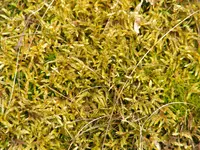
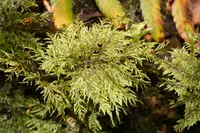
Magellan's sphagnum (Sphagnum magellanicum) is a bog-forming moss that creates dense, spongy carpets rather than upright stems or leaves. It stores large amounts of water in its cells, which gives it a soft, cushion-like texture and a pale green to reddish color.

This species is native to cool, wet peatlands across the Northern Hemisphere and parts of the Southern Hemisphere, where it helps build acidic peat soils. It grows slowly but can be long-lived and quite resilient if kept consistently moist.

For those who want to care for Magellan's sphagnum, it generally prefers bright, indirect light, constant moisture, and low-nutrient, acidic substrates that mimic bog conditions.

Main Plant Requirements

Care Difficulty

Hard Care

Light Preference

Partial Shade

Water Requirements

Aquatic

Temperature Preference

Cool Climate

Hardiness Zone

2–8

Soil Texture

Peaty, Organic-rich, Silty

Soil pH

Strongly acidic (4.5–5.5)

Soil Drainage

Waterlogged tolerant

Fertilization

Minimal (feed rarely)

Get Personalized Care Plan

Scan your plant to receive care tips personalized for your specific plant

Available on iOS and Android

How to Care for the Magellan's sphagnum

This bog moss prefers cool, soft light that mimics open, misty wetlands rather than strong, direct sun.

  • Provide 2–4 hours of gentle morning sun with bright, indirect or dappled light for the rest of the day; avoid harsh midday and afternoon sun to prevent bleaching and desiccation.
  • Tolerates partial shade, but in very dim sites growth becomes sparse and pale; move slightly toward a brighter, open exposure if color fades or stems elongate.
  • In hot summers, use taller plants, shade cloth, or site choice to give Magellan's sphagnum filtered light, especially between 11 a.m. and 3 p.m. to limit overheating.

This species is adapted to saturated, low-nutrient bogs and depends on constant moisture around its stems.

  • Keep the substrate constantly wet to waterlogged; the surface should never dry and should glisten or feel spongy when pressed, with no dry crust forming.
  • Use low-mineral, soft water where possible and allow excess to drain or overflow gently so water is renewed, avoiding stagnant, foul-smelling conditions that indicate oxygen depletion.
  • If Sphagnum magellanicum begins to turn crispy at the tips or lose its springy texture, humidity and saturation are too low; brown, slimy sections often signal prolonged submersion without oxygen.

This moss thrives in cool to mild conditions and tolerates cold better than heat.

  • Aim for 45–65°F (7–18°C) for strongest growth, which matches its native cool bog climates; sustained temperatures much above this range slow development and can stress the cushions.
  • It endures brief drops near 20–25°F (-6 to -4°C) under snow or high humidity, but repeated bare hard frosts with wind exposure can desiccate and kill exposed tips.
  • In warm seasons, once air stays above 75°F (24°C), increase shade and evaporative moisture; above 85°F (29°C) the risk of overheating and rapid drying rises sharply.

This moss needs very high humidity to stay actively growing and bright green.

  • Aim for 70–100% humidity; it declines quickly if kept below 60% for long periods.
  • Crisping tips, dull color, and slow growth indicate humidity stress or drying.
  • Use trays of water beneath (not over) the moss, clustering pots, or a humid terrarium to raise humidity.

This bog moss prefers saturated, acidic, low-nutrient, organic substrates rather than conventional potting soils.

  • Use almost pure long-fiber sphagnum or finely chopped peat with some perlite for structure, kept constantly wet.
  • Keep the substrate mildly to strongly acidic, around pH 4.0–5.5, to match natural Sphagnum magellanicum conditions.
  • Avoid dense mineral soils, fertilizers, and lime, which increase nutrients and pH and cause dieback.
  • Maintain a loose, fibrous texture so water saturates the medium but moss strands still receive air around growing tips.

This species is suitable for container culture when moisture and stability are carefully managed.

  • Choose shallow, wide containers to spread the mat and keep an even water level across the surface.
  • Use solid-sided plastic or glazed ceramic to slow evaporation and maintain a consistently wet substrate.
  • Place the container in a watertight tray to allow constant standing water below the moss without flooding the growing surface.

This moss is adapted to nutrient-poor bogs, so Magellan's sphagnum needs little to no fertilizer in cultivation.

Sphagnum magellanicum maintenance focuses on light trimming rather than structural pruning.

  • Best time to trim is during active growth in spring–summer, when recovery is fastest.
  • Pinch or cut away browned, dead, or contaminated patches with fine scissors to keep the mat clean.
  • Remove overly thick or crowded tufts to maintain good air movement and reduce rot risk.
  • Use disinfected, sharp scissors and avoid cutting down to the very base to preserve regrowth points.

Container-grown Sphagnum magellanicum is usually transplanted when growth becomes crowded or waterlogging is hard to manage.

  • Check for slow new growth, a dense, matted layer, or sour odor as signs the moss layer and substrate need renewing.
  • Transplant in spring or early summer, when temperatures are mild and light is increasing.
  • Plan on renewing or shifting the colony every 1–2 years to fresh, acidic, peat-free, low-nutrient substrate.
  • Keep the mat evenly moist, shaded, and sheltered for 1–2 weeks after moving to limit stress and promote re-anchoring.

This species is commonly multiplied by simple vegetative methods rather than seed.

  • Use tip cuttings or small tufts, ensuring each piece has healthy green capitula (growing tips).
  • Best season is spring–early summer, when light and humidity support rapid establishment.
  • Lay pieces on saturated, acidic, low-nutrient substrate and press lightly for firm contact.
  • Maintain constant moisture with very soft or rainwater and high humidity, avoiding direct hot sun while new growth establishes.

In-ground colonies are very cold hardy and generally need little specific winter care.

  • Tolerates freezing and snow once established, as long as the substrate stays moist and does not dry out.
  • Outdoor containers can be sunk into the ground or surrounded with mulch to buffer temperature swings.
  • If grown in shallow trays, move them to a cold but frost-exposed, shaded spot to prevent complete drying by wind.

Care Tips

Shallow Tray Setup

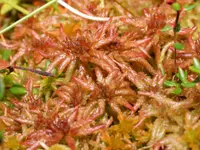
Use a wide, shallow tray or basin with 3–5 cm of depth so the moss forms an even carpet and you can easily maintain a consistent water level without drowning the growing tips.

Layered Moisture Zones

Create a gentle slope of substrate so one side stays wetter and the other slightly drier, then observe which zone the moss expands into fastest and adjust your watering pattern to match its preference.

Rainwater Collection Routine

Set up a simple rainwater collection container and rotate stored water frequently, since fresh, low-mineral water significantly reduces salt buildup and supports long-term Magellan's sphagnum indoor care.

Regular Flushing Practice

Once every 2–4 weeks, pour a generous volume of clean, soft water through the moss and substrate to flush out accumulated minerals and prevent gradual decline from water hardness.

Clean Tool Hygiene

Rinse and disinfect scissors, tweezers, and any supports before grooming or dividing the moss to reduce the risk of introducing algae, mold, or moss-eating pests into dense colonies.

Common Pests and Diseases

Fungus gnat larvae

This pest lives in saturated, organic substrates and can tunnel through dense sphagnum cushions, stressing growing tips and young shoots. Symptoms include thinning moss, pale new growth, and fine black adult gnats hovering above the colony.

Solution

Reduce standing water while keeping the moss consistently moist, and improve air movement over the surface. Rinse and squeeze out affected clumps, then rehydrate with clean, low‑nutrient water; for persistent infestations, use biological controls such as Bacillus thuringiensis israelensis (Bti) in the water to target larvae without harming the moss.

Slugs and snails

These insects and mollusks graze on soft moss tissue, leaving irregular bare patches and shredded or flattened cushions. Symptoms include missing tufts, slime trails, and sudden thinning in localized areas, especially at edges of trays or bog beds.

Solution

Hand-pick slugs and snails at dusk or after rain and remove any hiding places such as dense debris or pots in direct contact with the moss. In outdoor or greenhouse setups, use physical barriers like copper tape on tray rims or low-toxicity iron phosphate baits placed outside the main sphagnum area to reduce grazing pressure.

Algal overgrowth

This disease-like condition occurs when filamentous or slimy green algae colonize the moss surface in response to high light, warmth, and elevated nutrients. Symptoms include a bright green film or slippery layer that smothers the sphagnum and slows new head growth.

Solution

Shade lightly to reduce intense direct sun, flush the system with low‑mineral water, and avoid any fertilizer or runoff from richer substrates. Physically rinse or gently rub away heavy algal mats and increase water movement or periodic overflow so algae cannot form a stable film on the moss surface; these steps are central in Sphagnum magellanicum care instructions for cultivation trays and bog setups.

Cyanobacterial crust

This disease-like issue is caused by blue‑green bacteria forming a dark, sometimes bluish or blackish crust on persistently warm, still, nutrient‑rich waterlogged areas. Symptoms include hardened, slightly shiny patches where living sphagnum growth slows or dies back under the crust.

Solution

Loosen and remove the crusted surface layer and top-dress with fresh, clean sphagnum from a healthy section. Maintain cooler, well-oxygenated conditions by shallow flooding instead of deep stagnant water, increase gentle water circulation, and exclude fertilizer and nutrient-rich runoff to discourage recolonization.

Leafy liverwort competition

This problem arises when fast-spreading leafy liverworts colonize the same wet surface and form dense mats that outcompete the moss for light and space. Symptoms include compact, overlapping green thalli or leafy rosettes that overrun young sphagnum heads and slow vertical growth.

Solution

Manually peel or tease away liverwort mats using tweezers, then thin the sphagnum so light penetrates evenly across the colony. Reduce nutrient input, keep water very low in minerals, and slightly adjust shade and water level to favor the cooler, oligotrophic conditions preferred when trying to grow Sphagnum magellanicum while discouraging liverwort dominance.

Interesting Facts

Peat dome builder

This moss is a key architect of raised bogs in cool, wet regions, often forming thick peat domes that can rise several meters above the surrounding landscape over long timescales.

Extreme water storage

Its specialized leaf cells called hyaline cells hold water like tiny reservoirs, allowing cushions of this species to store many times their dry weight in water and create persistently waterlogged conditions.

Acidic microhabitat creator

By exchanging hydrogen ions for mineral nutrients, it acidifies its surroundings and produces tannin-like compounds, helping create the highly acidic, low-nutrient conditions typical of ombrotrophic bogs where it dominates.

Botan icon

Did you know?

Populations assigned to this species have shown striking genetic and morphological variation across its wide range, and ongoing research has led to the recognition of multiple closely related taxa, making it a focal species in studies of speciation and diversity within the Sphagnum genus.

FAQs about Magellan's sphagnum

Growth is slow to moderate. In consistently wet, cool conditions, it may extend 2–5 cm per year, forming thicker cushions rather than tall shoots. Warmer, drier, or nutrient‑rich sites usually reduce growth and density.

Grow Healthy Plants with Botan Care

Keep your plants happy and healthy with plant identification, disease detection, and easy care guidance.

Botan plant care app — identify plants on mobile

Explore More Plants