leucobryum moss Care (Leucobryum albidum)

Also known as: white moss
leucobryum moss

About leucobryum moss

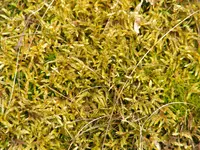
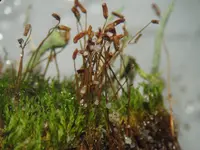
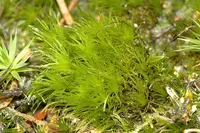
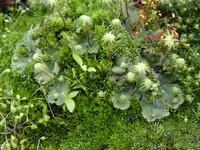
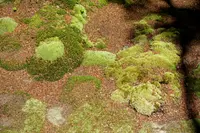
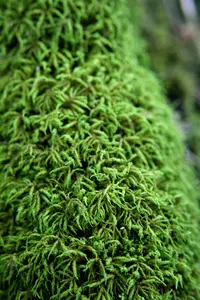
Leucobryum albidum, commonly called leucobryum moss or white moss, is a compact, cushion-forming moss often used in terrariums, bonsai displays, and shaded gardens. It forms dense, rounded mounds with a pale green to silvery appearance, especially when dry.

This moss naturally occurs on acidic, well-drained soils in forests and on rocky slopes in eastern North America. It is slow-growing but long-lived, and its dense structure helps it tolerate brief dry periods.

Leucobryum albidum prefers cool, shaded, humid conditions and low-nutrient, slightly acidic substrates. Once established, it is relatively low-maintenance, which makes it easier to learn how to care for leucobryum moss in stable indoor or outdoor setups.

Main Plant Requirements

Care Difficulty

Moderate Care

Light Preference

Partial Shade

Water Requirements

Keep Soil Moist

Temperature Preference

Cold Hardy

Hardiness Zone

3–9

Soil Texture

Loamy, Peaty, Organic-rich

Soil pH

Strongly acidic (4.5–5.5), Acidic (5.5–6.5)

Soil Drainage

Moist but well-drained

Fertilization

Minimal (feed rarely)

Get Personalized Care Plan

Scan your plant to receive care tips personalized for your specific plant

Available on iOS and Android

How to Care for the leucobryum moss

This moss prefers soft, indirect light that mimics a forest floor understory.

  • Provide bright, filtered light with dappled shade; 2–4 hours of gentle morning sun is fine, but avoid harsh midday and afternoon sun to prevent bleaching and crispy patches.
  • Site leucobryum moss where it receives open shade or high, bright shade under shrubs or trees; too much shade causes loose, stretched growth and dull color.
  • In summer, protect from reflected heat and direct sun; in winter, more open light is acceptable if temperatures stay cool and the substrate does not dry out.

This species needs consistently moist conditions without staying waterlogged.

  • Aim for an evenly damp substrate; surfaces should feel moist to the touch but not squelchy or muddy between waterings.
  • Increase watering during hot, windy, or very bright periods, and reduce during cool, overcast weather while still preventing the moss cushions from drying hard.
  • Watch for pale, brittle cushions and shrinking tufts as signs of underwatering, and for slimy texture or dark, rotting bases as signals of excess moisture or poor drainage.

This moss is cool- to mild-temperate and tolerates a broad outdoor range.

  • Optimal active growth occurs around 55–70°F (13–21°C), especially when combined with high humidity and stable moisture.
  • Leucobryum albidum can usually withstand brief drops near 10–15°F (-12– -9°C) under snow or leaf cover, but repeated freeze–thaw without insulation can damage cushions.
  • Heat above 80–85°F (27–29°C) is tolerated if the substrate stays cool and moist; strong sun plus high heat quickly dries and stresses the plant, so provide shade and extra moisture in summer.

This moss prefers consistently moist, high-humidity conditions to keep cushions dense and green.

  • Aim for 60–90% humidity, using a terrarium, shaded tray, or humid microclimate outdoors where evaporation is slower.
  • It tolerates only brief dry air; prolonged humidity below 50% causes pale, brittle cushions and brown tips.
  • Increase humidity by clustering trays, using a shallow pebble-and-water tray beneath, and lightly misting surfaces without fully saturating the moss.

Leucobryum albidum anchors best in a loose, moist, acidic, organic substrate rather than standard potting mixes.

  • Use a mix of 2 parts sphagnum peat or coco coir, 1 part fine bark, and 1 part sand to create a soft, fibrous surface layer.
  • Target a slightly acidic pH of 4.5–6.0, avoiding lime, wood ash, or other alkaline amendments that raise pH over time.
  • Ensure slow but steady drainage by using a shallow tray or pot with drainage holes and a base layer of coarse sand or fine gravel.
  • Avoid compacted, clay-heavy, or nutrient-rich mixes; excess fertilizer salts and poor aeration quickly damage the moss cushions.

This species adapts well to shallow container culture when moisture and airflow are carefully balanced.

  • Choose a wide, shallow container to match the moss’s spreading habit and keep the whole cushion evenly hydrated.
  • Select non-porous materials like glazed ceramic or plastic if slower moisture loss is needed, especially in exposed outdoor spots.
  • Elevate the container slightly on pot feet or stones so drainage holes stay clear and surface water does not pool around the base.

This moss species needs almost no additional nutrition when grown on suitable, low-nutrient substrates.

Leucobryum albidum requires minimal pruning, as it naturally forms low, dense cushions.

Transplanting is mainly needed when establishing new patches or adjusting coverage in containers and terrariums.

  • Transplant during mild, moist weather in spring or early fall to reduce stress.
  • Lift moss cushions gently, keeping as much of the underlying substrate attached as possible.
  • Press sections firmly onto the new surface and water lightly so they make close contact.
  • Keep the area evenly moist for several weeks until growth anchors and resumes.

Leucobryum albidum is usually propagated by division rather than from spores in home settings.

  • Divide cushions into small, intact clumps in spring or early fall during cool, damp conditions.
  • Prepare an acidic, well-drained but consistently moist substrate such as sand–peat or sandy loam.
  • Lay clumps tightly together on the surface, pressing them in so there are no air gaps.
  • Maintain high humidity and gentle shade until new green tips indicate establishment.

Established outdoor cushions are generally cold hardy and need little targeted winter care in most temperate climates.

  • In-ground patches tolerate typical frosts once rooted, even if foliage briefly dries or dulls in color.
  • For shallow containers, move to a sheltered, unheated but frost-moderated spot to limit freeze–thaw cycles.
  • Avoid covering cushions with dense mulch; light leaf litter only is acceptable so moss can still access light.

Care Tips

Shallow Substrate Layer

Use a very thin, compacted layer of low-nutrient, acidic substrate (2–5 cm deep) so the moss forms dense cushions rather than spreading into a loose, patchy mat.

Salt And Lime Avoidance

Keep moss beds away from concrete run-off, de-icing salts, and lime-based products, and use only rainwater or low-mineral water to prevent gradual dieback from salt and alkalinity buildup.

Gentle Debris Grooming

Lift off fallen leaves, needles, and twigs with soft tongs or a hand fan instead of raking, which preserves the cushion structure and avoids tearing the moss surface.

Foot Traffic Protection

Install stepping stones or narrow planks through moss areas in the landscape to prevent compaction and abrasion from regular foot traffic.

Sectional Propagation Patches

Cut healthy cushions into small plugs and press them firmly into a prepared, clean surface at close spacing (2–4 cm apart), then mist frequently for several weeks to grow Leucobryum albidum into a continuous carpet.

Common Pests and Diseases

Algal overgrowth

Symptoms include a slimy green film that spreads across the moss cushions, especially in consistently wet, high-nutrient conditions. This growth competes with the moss for light and can smother the shoots over time.

Solution

Reduce nutrient input by avoiding fertilizer, increase light airflow, and allow the surface to dry slightly between heavy misting or irrigation. Gently rinse or brush off excess algae from the moss surface and, if needed, top-dress with fresh, clean leucobryum cushions or fragments to reestablish healthy growth.

Fungal damping-off

This disease causes new or recently transplanted cushions to collapse, turn brown, and detach from the substrate in overly wet, stagnant conditions. This often follows continuous saturation and poor air circulation, especially in closed terrariums or shaded ground beds.

Solution

Improve drainage and airflow, avoid standing water, and keep the moss evenly moist rather than waterlogged. Remove and discard affected patches, thin out overly dense areas, and, for valuable displays, disinfect hard surfaces and tools before replanting to support long-term leucobryum moss indoor care.

Slugs and snails

These pests chew through the cushion surface, leaving ragged, thinning patches and shiny slime trails on and around the moss. Damage is most noticeable after wet nights or in shaded, humid garden sites.

Solution

Hand-pick slugs and snails in the evening or early morning and reduce nearby hiding places such as boards, dense ground litter, and pots resting directly on soil. In outdoor settings, use barriers like copper tape, sharp mineral grit, or targeted iron phosphate slug baits placed around but not directly on the moss mats.

Springtail imbalance

These insects usually live harmlessly in moss but can become problematic when populations boom in constantly saturated, organic-rich substrates. Symptoms include fine pitting of tender new growth and small white insects jumping when the surface is disturbed.

Solution

Allow the surface to dry slightly between waterings and improve ventilation to bring the population back into balance. If numbers stay high in a terrarium, temporarily reduce decaying organic matter, introduce natural predators such as isopods if appropriate, or relocate a portion of the moss to a better-ventilated setup.

Interesting Facts

Cushion-like growth

This species forms tight, pillow-shaped cushions with a distinctive pale gray-green surface caused by densely packed, inflated leaf cells that trap air and reflect light.

Acidic soil specialist

It occurs most often on very acidic, nutrient-poor substrates such as sandy soils and rotting wood, where few other mosses compete successfully, making it a useful indicator of low soil pH in eastern North American forests.

Water storage strategy

The thick, spongy cushions can store substantial water in their leaf tissues and internal spaces, allowing the plant to tolerate intermittent drying on exposed, sandy sites.

Botan icon

Did you know?

Leucobryum albidum is often one of the first mosses to recolonize disturbed or compacted acidic soils in its native range, helping stabilize the surface and create a more favorable microhabitat for later colonizing plants and microorganisms.

FAQs about leucobryum moss

This species usually performs better outdoors in cool, humid, shaded spots with stable moisture. Indoors it can survive in terrariums or high-humidity setups, but consistent airflow, moisture, and subdued light are essential for successful leucobryum moss indoor care.

Grow Healthy Plants with Botan Care

Keep your plants happy and healthy with plant identification, disease detection, and easy care guidance.

Botan plant care app — identify plants on mobile

Explore More Plants