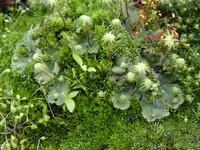
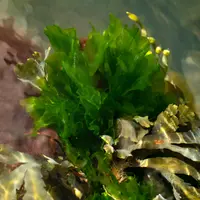
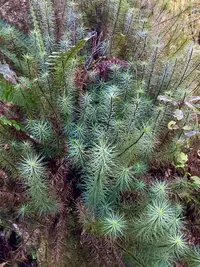
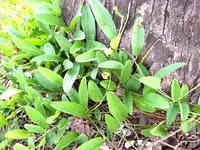
delicate stonewort Care (Chara virgata)

delicate stonewort

About delicate stonewort

Delicate stonewort, Chara virgata, is a submerged freshwater macroalga often mistaken for a soft, branched aquatic plant. It forms dense underwater meadows with fine, whorled branches and a clear main stem.

This species is common in clean, still or slow-moving waters across Europe, North America, and other temperate regions, where it helps stabilize sediments and improve water clarity. Its need for good water quality and stable conditions makes it more demanding than many common aquarium plants.

Those who want to learn how to care for delicate stonewort should know it prefers bright light, cool water, and low nutrient levels, and does best anchored in mineral-rich, sandy or silty substrates.

Main Plant Requirements

Care Difficulty

Moderate Care

Light Preference

Full Sun

Water Requirements

Aquatic

Temperature Preference

Cool Climate

Hardiness Zone

Unknown

Soil Texture

Silty, Peaty, Organic-rich

Soil pH

Slightly alkaline (7.0–7.5), Alkaline (7.5–8.5)

Soil Drainage

Waterlogged tolerant

Fertilization

Minimal (feed rarely)

Get Personalized Care Plan

Scan your plant to receive care tips personalized for your specific plant

Available on iOS and Android

How to Care for the delicate stonewort

Chara virgata, or delicate stonewort, needs stable light conditions matched to shallow freshwater habitats.

  • Provide bright, indirect light or light shade equivalent to 4–6 hours of mild sun, with protection from intense afternoon sun in warm climates.
  • Allow gentle morning sun and dappled or filtered light at midday; avoid full, exposed sun in clear, shallow water to reduce overheating and algal competition.
  • In winter, tolerate lower light but keep exposure consistent; in summer, increase shade if water clears and light penetration becomes too strong.

This submerged alga depends entirely on stable water conditions rather than traditional soil watering.

  • Grow Chara virgata in clean, low-nutrient, slow-moving or still water 15–60 cm deep, avoiding frequent water-level swings that expose stems.
  • Watch clarity and smell: murky, foul water or rapid algal blooms often indicate excess nutrients rather than a need for more water.
  • In ponds or tanks, change 10–20% of the water every 1–4 weeks if quality declines, matching temperature and avoiding sudden chemistry shifts.

This species prefers cool to mild water temperatures and responds strongly to seasonal changes.

  • Aim for 59–72°F (15–22°C) for steady growth, matching typical cool pond or lake conditions.
  • Tolerate down to about 41°F (5°C); growth slows, but established colonies often persist under cold water if it does not freeze solid to the bottom.
  • Above 77–82°F (25–28°C), monitor carefully; prolonged heat can weaken plants, favor nuisance algae, and increase risk of dieback in shallow water.

This aquatic alga requires fully submerged conditions rather than air humidity control.

Chara virgata anchors in submerged sediment rather than typical potting soil.

  • Provide a soft, fine-textured mineral sediment such as washed sand or sandy silt with minimal organic debris to reduce decay and odors.
  • Maintain a thin, loose layer (2–5 cm) so rhizoids can penetrate without the base becoming anaerobic, which limits oxygen and promotes rot.
  • Aim for slightly alkaline conditions, roughly pH 7.5–8.5, often achieved naturally in hard tap water or limestone-influenced ponds.
  • Avoid nutrient-rich muds, manure, or compost-heavy substrates that trigger filamentous algae blooms and smother the charophyte stems.

This species can grow in containers as long as the vessel mimics a shallow, stable aquatic habitat.

  • Select a low, wide, heavy container so the water column stays stable and the plant mat forms a horizontal carpet without tipping risk.
  • Use an inert liner or glazed interior if the container is concrete or metal, limiting unwanted pH shifts and dissolved metals in the water.
  • Limit water depth to roughly 15–40 cm to ensure adequate light reaches the thallus while keeping temperatures relatively even.

Chara virgata in balanced ponds rarely needs supplemental fertilization and often relies on natural nutrients in the water.

Pruning Chara virgata is mainly a maintenance task to manage growth and keep water conditions stable.

  • Trim back overgrown, shading, or decaying stems during active growth in spring–summer using clean scissors or aquascaping shears.
  • Remove pale, slimy, or fragmented sections to maintain water clarity and reduce organic buildup.
  • Thin crowded patches to allow water movement and light penetration, improving overall stand health.
  • Avoid cutting all biomass at once; leave healthy areas intact to maintain habitat and oxygenation.

This aquatic alga is usually managed by transplanting patches within a pond or aquarium rather than true repotting.

  • Plan moves in spring–early summer when water temperatures are stable and growth is active.
  • Transplant when clumps detach, decline, or overtake other plants, typically every few years in managed systems.
  • Gently lift intact mats, keeping holdfasts and attached sediment undisturbed to limit shock.
  • Re-anchor in the new site with small stones or mesh, then avoid disturbance until growth resumes.

Chara virgata is commonly multiplied by vegetative methods rather than by seed-like structures in home and pond settings.

  • Use healthy stem fragments with visible side branches taken during the main growth season.
  • Place cut pieces on or just into soft sediment so nodes have close contact with the substrate.
  • Provide clear, low-nutrient, well-oxygenated water with stable temperature and moderate light for rooting.
  • Limit disturbance and grazing pressure while new shoots establish to increase survival rates.

In many temperate ponds, Chara virgata is cold hardy and usually needs minimal active winter care once established.

  • Allow natural dieback of upper growth; overwintering structures in the sediment typically survive freezing.
  • Ensure water depth is sufficient so at least part of the colony remains below the ice layer.
  • For container or tub plantings, move vessels to a frost-free but cool location or sink them deeper outdoors.

Care Tips

Stabilize Water Chemistry

Maintain stable pH and hardness by testing the water weekly and changing only 10–20% of the volume at a time to avoid shocking the plant’s calcium-rich cell walls.

Use Gentle Water Flow

Position the plant in areas of slow, steady circulation rather than strong currents so filaments stay upright and can intercept nutrients without being torn or uprooted.

Minimize Sediment Disturbance

When cleaning or moving equipment, avoid stirring up bottom sediment, as fine silt can smother the thallus surface and block light and nutrient exchange.

Control Competing Algae

Limit nutrient spikes from fish food and organic debris, and remove filamentous algae manually so the plant is not shaded or overgrown by faster-growing species.

Provide Secure Anchoring

Gently press the lower parts into a thin layer of clean sand or fine gravel so the plant stays anchored and forms a more stable, branched structure, which is essential for caring for delicate stonewort in aquaria or ponds.

Common Pests and Diseases

Epiphyte overgrowth

Symptoms include dense coatings of filamentous algae, diatoms, or bacteria growing on stems and branchlets, reducing light penetration and photosynthesis. This condition is common in nutrient-rich, slow-moving or still water.

Solution

Reduce nutrient inputs by limiting fish stocking and overfeeding, improving filtration, and performing partial water changes; gently swish or siphon around colonies to remove loose growth without tearing the plant. Increasing water movement and shading the water surface slightly can also discourage heavy epiphyte buildup and supports long-term Chara virgata plant care.

Filamentous algal smothering

This problem occurs when long strands of filamentous algae entangle around the thallus, weighing it down and blocking light. In ponds and tanks with high nitrate and phosphate levels, this overgrowth can outcompete the stonewort.

Solution

Manually remove filamentous mats by twirling them around a stick or net, taking care not to uproot the stonewort, and then lower nutrient levels through reduced feeding, better filtration, and regular water changes. Maintaining a moderate fish biomass and avoiding direct fertilizer additions to the water column also helps prevent recurrence.

Calcium precipitation encrustation

This condition develops when excessive calcium carbonate precipitates onto the plant surface, forming rough, chalky deposits that can interfere with gas exchange. It is common in very hard, alkaline water with strong light.

Solution

Lower carbonate hardness and pH gradually using partial water changes with softer source water or reverse osmosis blends, and avoid sudden shifts in water chemistry. Providing moderate rather than extreme lighting and reducing agitation that drives off CO2 can also limit further calcium carbonate buildup.

Herbivorous snail grazing

These invertebrates can rasp tender branchlets and growing tips, especially in nutrient-poor systems where alternative foods are limited. Damage appears as ragged, thinning areas and shortened internodes.

Solution

Manually remove excess snails, use physical barriers such as fine mesh around dense stands in small tanks, and provide alternative plant or algal food sources to reduce grazing pressure. In closed systems, introducing carefully selected, compatible fish that consume snails can help, provided overall stocking and water quality stay within safe limits.

Interesting Facts

Indicator of clean water

This species typically occurs only in clear, oligotrophic to mesotrophic freshwaters with low nutrient loads, so its presence is often used by limnologists as an indicator of high water quality and low pollution.

Calcified, rough surface

The stems and branchlets become strongly encrusted with calcium carbonate in hard, alkaline lakes, giving the plant a distinctly rough, almost gritty texture compared with many other charophytes.

Distinctive star-shaped branchlets

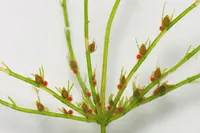
It is recognized in the field by its regular whorls of erect, slender branchlets with clearly visible cortical cells, forming a characteristic star-like pattern around each node that helps separate it from closely related Chara species.

Botan icon

Did you know?

Molecular and morphological studies place this species within a group of advanced charophyte algae considered close evolutionary relatives of the ancestors of land plants, so populations of Chara virgata are often used in research on the transition from aquatic algae to terrestrial flora.

FAQs about delicate stonewort

This species grows relatively quickly under stable, clean, well‑lit freshwater conditions, often extending several centimeters per week. Growth slows if nutrients, light, or dissolved carbon dioxide are limited, or if water quality declines due to pollution or heavy algal competition.

Grow Healthy Plants with Botan Care

Keep your plants happy and healthy with plant identification, disease detection, and easy care guidance.

Botan plant care app — identify plants on mobile

Explore More Plants