Water Depth Control
In containers or lined ponds, maintain a consistent 2–8 cm of standing water above the crown during the growing season, using bricks or inverted pots under the container to fine-tune water depth as water levels fluctuate.


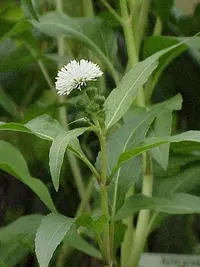
Yerba mansa (Anemopsis californica) is a low-growing, herbaceous perennial native to wet soils of the southwestern United States and northern Mexico. It often forms spreading colonies with fleshy, aromatic leaves and showy white bracts around a cone-shaped flower spike. In natural habitats it thrives along stream banks, seeps, and marshy meadows, where soils stay consistently moist or even seasonally flooded. The plant tolerates both full sun and light shade if moisture remains high. For gardeners learning how to care for yerba mansa, the main challenges are providing enough water and avoiding dry, compacted ground, but it is otherwise quite resilient when established.

Care Difficulty
Moderate Care

Light Preference
Full Sun

Water Requirements
Aquatic

Temperature Preference
Cold Hardy

Hardiness Zone
4–10

Soil Texture
Loamy, Silty, Organic-rich

Soil pH
Slightly acidic (6.5–7.0), Neutral (7.0)

Soil Drainage
Waterlogged tolerant

Fertilization
Minimal (feed rarely)
Scan your plant to receive care tips personalized for your specific plant
Available on iOS and Android
This wetland perennial thrives with abundant sun but tolerates some shade depending on climate.
This species is adapted to consistently moist to saturated conditions and dislikes drying out completely.
This plant is a hardy wetland species that tolerates a broad temperature range once established.
This wetland perennial prefers consistently moist air but usually adjusts to typical outdoor humidity in cultivation.
This species naturally grows in saturated, organic-rich soils and adapts best when its container or bed mimics a shallow wetland edge.
This rhizomatous wetland plant can grow successfully in containers if moisture and stability are carefully managed.
This moisture-loving native needs only light feeding, so caring for yerba mansa focuses more on water and soil than fertilizer.
Pruning Anemopsis californica is simple and mainly supports plant health and tidy growth.
This species is more often transplanted in the garden or from pond margins than kept long term in containers.
Anemopsis californica is commonly propagated by division and can also be raised from seed under the right conditions.
This hardy wetland perennial usually needs minimal winter care in much of its outdoor range.

Plant Health Check
Not sure what's wrong with your plant? Check your plant's health inside the app.
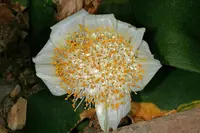
The showy white parts that look like petals are actually bracts, a type of modified leaf, surrounding a dense spike of tiny true flowers in the center.
This species naturally grows in alkaline and sometimes saline wetlands, showing physiological tolerance to soils that are too salty or high in pH for many other wetland plants.
It spreads through thick rhizomes just below the soil surface, forming clonal patches that help stabilize wet or seasonally flooded soils against erosion.

Pollen from this species has been identified in sediment cores from western North America, providing evidence that its wetland habitats have persisted in some regions for thousands of years and offering clues about past climate and hydrology.
This species spreads steadily through creeping rhizomes, forming dense patches over time. It is not usually invasive in managed gardens, but can crowd nearby low plants in consistently moist soil if not occasionally thinned or edged.
Keep your plants happy and healthy with plant identification, disease detection, and easy care guidance.