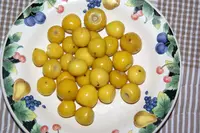
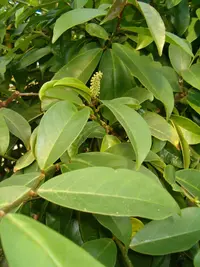
mammee apple Care (Mammea americana)

Also known as: Mammee Apple Tree
mammee apple

About mammee apple

Mammee apple, Mammea americana, is a long-lived tropical fruit tree grown mainly for its large, aromatic fruits and dense, glossy foliage. It forms a rounded crown and can become a substantial shade tree in warm climates. The thick-skinned fruits have sweet, fragrant flesh that is eaten fresh or used in preserves and drinks. Native to tropical America and the Caribbean, it is now cultivated in other frost-free regions with similar conditions. This species prefers full sun, warmth, and well-drained soil, and it does not tolerate frost or waterlogged roots. Once established, it is relatively resilient, but successful care for mammee apple depends on stable warmth and protection from cold winds.

Main Plant Requirements

Care Difficulty

Moderate Care

Light Preference

Full Sun

Water Requirements

Regular Water

Temperature Preference

Tropical / Frost Sensitive

Hardiness Zone

10–11

Soil Texture

Sandy, Loamy, Organic-rich

Soil pH

Acidic (5.5–6.5), Slightly acidic (6.5–7.0)

Soil Drainage

Moist but well-drained

Fertilization

Minimal (feed rarely)

Get Personalized Care Plan

Scan your plant to receive care tips personalized for your specific plant

Available on iOS and Android

How to Care for the mammee apple

This tropical fruit tree thrives in abundant, direct sun in frost-free climates.

  • Provide 6–8 hours of direct sun daily; full sun from morning through early afternoon supports dense foliage and flowering for mammee apple.
  • Young trees tolerate light partial shade, especially with intense afternoon sun; give at least 4 hours of unobstructed morning sun while canopy establishes.
  • In cloudy seasons or shaded sites, reduce competition from taller plants; pale, elongated shoots indicate insufficient light, while scorched upper leaves suggest excessive, reflected heat exposure.

This species prefers evenly moist, deep soil without standing water.

  • Let the top 3–5 cm of soil dry before deep watering, aiming to moisten the root zone to 30–45 cm depth rather than giving light surface splashes.
  • During hot, dry months, increase frequency based on soil feel and leaf condition; in cooler or rainy seasons, extend intervals to avoid saturated conditions.
  • Yellowing, soft leaves and foul-smelling soil suggest overwatering, while dull, curling leaves and dry, cracked soil around the root zone indicate underwatering; free-draining, loamy soil is essential for healthy Mammea americana growth.

This tropical tree needs consistently warm, frost-free conditions for reliable growth and fruiting.

  • Optimal growth occurs around 75–86°F (24–30°C); trees remain active and set flowers best when temperatures stay within this warm range most of the year.
  • Short exposures near 40°F (4°C) can cause leaf damage, and temperatures below 35°F (2°C) risk severe injury or death; protect from any frost in marginal climates.
  • Mature trees tolerate brief heat up to about 95°F (35°C) if soil moisture is stable; in hot, dry periods, mulch the root zone to moderate temperature swings and reduce stress.

This species prefers moderately humid, tropical air but copes with typical household levels if not extremely dry.

  • Aim for 50–70% humidity; prolonged air below 40% can slow growth and cause leaf-edge browning.
  • Watch for curled, crispy leaf tips and stalled new growth as signs of low-humidity stress in mammee apple.
  • Increase humidity with a nearby humidifier or grouping plants together rather than misting, which adds only brief moisture.

Mammea americana needs deep, well-aerated mineral soil that drains freely yet retains some moisture.

  • Use a loamy, slightly sandy mix such as 50% loam, 30% coarse sand, 20% compost to balance drainage and nutrient holding.
  • Target a slightly acidic to neutral pH around 6.0–7.0, avoiding strongly alkaline or salty soils that restrict nutrient uptake.
  • Improve aeration and drainage in heavy ground by incorporating coarse sand, fine gravel, or perlite through the top 30–40 cm.
  • Avoid compacted clay, standing water, or hardpan layers; roots must not sit in waterlogged zones for long periods.

This species can be grown in large containers when managed as a smaller tree or long-term juvenile specimen.

  • Choose a deep, heavy pot (e.g., thick plastic or clay) to provide root volume and resist tipping in wind as the canopy enlarges.
  • Select a container wider than the root ball to allow lateral root spread, which supports better anchoring and nutrient uptake.
  • Ensure oversize drainage holes and keep the saucer empty so excess water exits quickly and the lower root zone does not stay saturated.

This tropical fruit tree responds well to moderate feeding in cultivation, especially in poor soils.

  • Use a balanced granular or slow-release fertilizer (such as 10-10-10) or well-rotted compost around the drip line, not touching the trunk.
  • Feed established trees 2–3 times during the warm growing season, spaced 6–8 weeks apart.
  • Apply at half the label rate for young mammee apple trees to limit salt stress and root burn.
  • Reduce or stop feeding in cool winter months, maintaining only a light compost mulch if needed.

Thoughtful pruning keeps Mammea americana structurally sound and easier to harvest.

  • Prune at the end of winter or very early spring, before strong new growth begins.
  • Remove dead, diseased, crossing, or inward-growing branches to open the canopy and improve air flow.
  • Shorten or thin overly vigorous upright shoots to maintain height, spread, and light penetration.
  • Use clean, sharp bypass pruners or a pruning saw, making smooth cuts just outside the branch collar.

This species is usually grown in-ground, so focus on careful field transplanting of young trees.

  • Transplant when root systems fill the nursery container, roots circle the pot base, or growth slows despite good care.
  • Plan moves for late spring in warm climates, once soil is consistently above 60°F and frost risk has passed.
  • Shift up from container to ground or a larger pot every 1–2 years while trees are young and still manageable.
  • Water thoroughly before and after transplanting, keep the root ball intact, and shade the canopy for 1–2 weeks to limit stress.

Reproduction of Mammea americana is mostly done by seed, with some grafting for selected cultivars.

  • Collect fully ripe fruits, remove the seeds, and sow them fresh for highest viability.
  • Sow seeds in a deep, well-drained mix at 75–85°F, keeping the medium evenly moist but never waterlogged.
  • Provide bright, indirect light and good air circulation; germination is often slow and uneven over several weeks or months.
  • Once seedlings form several true leaves, pot them individually, handling roots gently to avoid long-term deformities.

This tropical tree is frost sensitive and needs protection outside true frost-free zones.

  • In ground, grow only in climates where winter lows stay above 32°F; even brief frost can damage foliage and young wood.
  • Apply 5–8 cm of organic mulch over the root zone, keeping it a few cm away from the trunk base.
  • For container plants in marginal areas, move indoors or into a heated greenhouse before the first expected frost.
  • If unexpected cold threatens, wrap young trunks with breathable horticultural fleece and avoid heavy pruning just before winter.

Care Tips

Wind-resistant staking

In young trees exposed to coastal or open-site winds, use 2–3 low, flexible stakes and soft ties to anchor the root ball for the first 1–2 years, then remove them to allow a strong trunk to develop.


Structured canopy shaping

During the first 3–5 years, select 3–5 well-spaced scaffold branches around the trunk and remove steep, rubbing, or crowded shoots to build a broad, well-lit canopy that supports heavier fruit loads later.

Fruit thinning practice

On heavily set branches, pinch off small, excess fruits so remaining fruits are spaced about a hand’s width apart, which helps reduce limb breakage and improves fruit size and quality.

Mulch for root zone

Apply a 5–8 cm layer of coarse organic mulch in a wide ring under the canopy, keeping it 8–10 cm away from the trunk, to stabilize soil moisture, protect feeder roots, and limit weed competition when growing mammee apple.

Trunk and root flare checks

Inspect the trunk base yearly, gently brushing back mulch and soil so the root flare is visible and removing any girdling ties or roots that could constrict the trunk as it thickens.

Common Pests and Diseases

Fruit fly infestation

This pest lays eggs in developing fruits, leading to internal feeding by larvae and premature fruit drop. Symptoms include small puncture marks on the skin, soft spots, and maggots inside ripe or overripe mammee apple fruits.

Solution

Collect and destroy infested or fallen fruits daily to break the life cycle, and avoid leaving damaged fruit on the tree or ground. Use fine-mesh fruit bagging on developing fruits and deploy baited traps or protein bait sprays approved for fruit trees, following local guidelines for Mammea americana care.

Anthracnose

This disease causes dark, sunken lesions on young twigs, leaves, flowers, and sometimes developing fruits, which may coalesce and cause dieback of tender growth. Symptoms include irregular brown to black spots with yellow halos on foliage and blossom blight in humid, rainy conditions.

Solution

Prune and remove infected shoots and affected plant debris, disinfecting tools between cuts, and maintain an open canopy to improve light and air movement. Apply a copper-based fungicide or other labeled fruit-tree fungicide at the start of humid or rainy periods, especially around flowering and early fruit set, and avoid overhead irrigation that keeps foliage wet for long periods.

Scale insects

These insects attach to stems, twigs, and sometimes leaves, sucking sap and weakening the tree over time. Symptoms include small dome-shaped or flat bumps on bark, sticky honeydew, sooty mold growth, and general decline in vigor or yellowing leaves.

Solution

Prune out heavily infested twigs and wipe accessible branches with a cloth dipped in mild soapy water to remove scales and honeydew. For larger trees, encourage natural predators such as lady beetles and apply horticultural oil during dormant or cooler periods, coating bark and branch surfaces to suffocate scale insects while avoiding application during extreme heat or drought stress.

Leaf miner damage

These insects are larvae that tunnel inside leaves, creating pale, winding trails that reduce photosynthetic area. Symptoms include serpentine mines, distorted young leaves, and premature leaf drop when infestations are heavy.

Solution

Remove and dispose of mined leaves promptly to reduce larval populations, focusing on young flushes of growth. Encourage beneficial parasitic wasps by minimizing broad-spectrum insecticides, and if needed, apply a systemic insecticide labeled for fruit trees at the time of new leaf flush to target larvae inside the leaf tissue.

Interesting Facts

Deep orange aril

The seeds are surrounded by a bright orange, oily aril that is very aromatic and rich in carotenoids, the same pigment group that colors carrots and many other orange fruits.

Shade-tolerant seedlings

Young mammee apple seedlings can persist for years in quite deep shade under a forest canopy, slowly building a strong root system before accelerating growth when more light becomes available.

Heavy, long-lived wood

The tree produces very dense, durable hardwood that has been used locally for construction and fence posts, and mature individuals can remain productive for many decades in the same site.

Botan icon

Did you know?

The flowers of mammee apple are strongly fragrant and often occur both on young twigs and directly on older branches and the trunk, a growth pattern called cauliflory that helps attract a wide range of pollinators close to the main structure of the tree.

FAQs about mammee apple

Growth is moderate, not extremely fast. In warm tropical or subtropical conditions, a young tree may add about 30–60 cm per year and need 6–10 years to reach good fruiting size.

Grow Healthy Plants with Botan Care

Keep your plants happy and healthy with plant identification, disease detection, and easy care guidance.

Botan plant care app — identify plants on mobile

Explore More Plants