


Provide rigid support
Install a sturdy trellis, hoop, or hanging basket frame early so the long, heavy stems can be tied and guided as they grow, preventing kinks and breakage.

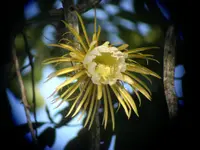
Selenicereus grandiflorus, often called night-blooming cereus, is an epiphytic cactus known for its large, fragrant flowers that open for a single night. It forms long, trailing or climbing stems with a somewhat angular, ribbed appearance.
This species is native to the Caribbean and parts of Central America, where it grows on rocks or trees in warm, dry to seasonally humid habitats. Its drought tolerance, modest nutrient needs, and preference for bright, indirect light make it manageable for growers with some cactus experience.
Understanding how to care for Selenicereus grandiflorus mainly involves providing a very free-draining soil mix, good air circulation, and protection from prolonged cold or excessive moisture.

Care Difficulty
Moderate Care

Light Preference
Partial Sun

Water Requirements
Low Water

Temperature Preference
Tropical / Frost Sensitive

Hardiness Zone
10–11

Soil Texture
Sandy, Loamy, Rocky

Soil pH
Slightly acidic (6.5–7.0), Neutral (7.0)

Soil Drainage
Well-drained

Fertilization
Light (every 4–6 weeks)
Scan your plant to receive care tips personalized for your specific plant
Available on iOS and Android
This cactus prefers bright, indirect light with some direct sun for strongest flowering.
This desert-forest cactus needs thorough but infrequent watering with fast drainage.
This species prefers warm conditions and does not tolerate frost.
This cactus tolerates typical indoor humidity and rarely needs special adjustments.
Provide a very fast-draining, airy mix that mimics rocky desert soils for healthy root growth.
This species suits container growing very well when the pot supports its sprawling, climbing habit.
This cactus benefits from light feeding to support flowering without forcing lush, weak growth in Selenicereus grandiflorus.
Thoughtful pruning helps manage size and maintain flowering performance in Selenicereus grandiflorus.
Container-grown Selenicereus grandiflorus prefers slightly tight quarters and only occasional repotting.
Stem cuttings are the most practical way to create new plants from Selenicereus grandiflorus.
This species is frost-sensitive and needs protective winter care in most temperate climates.

Plant Health Check
Not sure what's wrong with your plant? Check your plant's health inside the app.
This cactus opens its large, fragrant flowers only at night, typically for a single night, and by morning they begin to wilt, an adaptation to nocturnal pollinators such as moths and bats.
Individual flowers can reach roughly 15–30 cm across, with numerous narrow tepals forming a layered, star-like structure around a central funnel, which is unusually large compared with most cacti.
Instead of forming a typical barrel or column, this species produces long, vine-like, ribbed stems that scramble over rocks and trees, reflecting its origin as an epiphytic and lithophytic cactus in tropical dry forests.

The species epithet grandiflorus, meaning large-flowered, was given because its blossoms were historically among the largest known in cultivated cacti, making it an important parent in breeding many modern night-blooming hybrid cacti.
This night‑blooming cactus often needs to reach several years of age and a good stem thickness before flowering. Inadequate light, cool temperatures, heavy fertilizing with high nitrogen, or lack of a slightly drier rest period can delay buds.
Keep your plants happy and healthy with plant identification, disease detection, and easy care guidance.

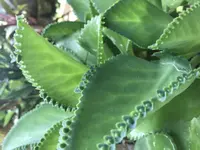
Mother of Thousands
Kalanchoe laetivirens
 POPULAR
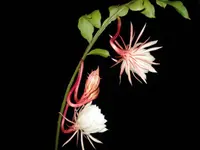
Queen of The Night
Epiphyllum oxypetalum
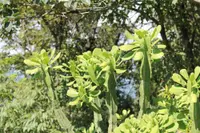
Sullu spurge
Euphorbia royleana
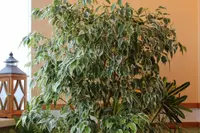 POPULAR
Weeping Fig
Ficus benjamina
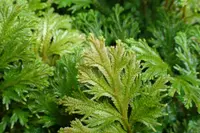
variegated spikemoss
Selaginella martensii
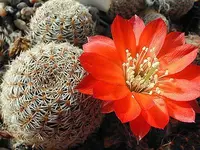
Aylostera albopectinata
Aylostera albopectinata
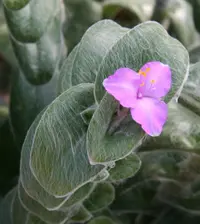 POPULAR
White Velvet
Tradescantia sillamontana
rambutan
Nephelium lappaceum