Corryocactus aureus Care

Corryocactus aureus

About Corryocactus aureus

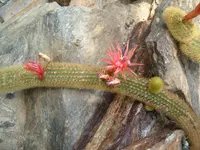
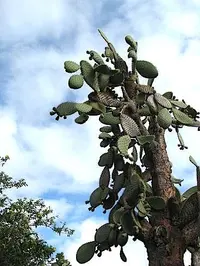
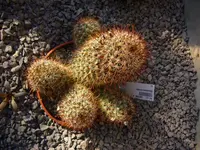
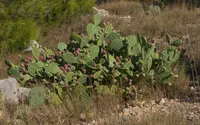
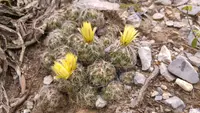
Corryocactus aureus is a columnar cactus known for its upright, branching stems and golden spines, giving it a striking architectural look. It typically forms clumps and can become quite tall in suitable conditions.

This species is native to arid regions of South America, where it grows in rocky, well-drained habitats with intense sun. Its drought tolerance and slow growth make it relatively low-maintenance, though overwatering is a common problem.

Good light, a gritty, fast-draining soil mix, and careful watering are the main points to understand when learning how to care for Corryocactus aureus.

Main Plant Requirements

Care Difficulty

Moderate Care

Light Preference

Full Sun

Water Requirements

Low Water

Temperature Preference

Tropical / Frost Sensitive

Hardiness Zone

10–11

Soil Texture

Sandy, Loamy, Rocky

Soil pH

Slightly acidic (6.5–7.0), Neutral (7.0)

Soil Drainage

Well-drained

Fertilization

Minimal (feed rarely)

Get Personalized Care Plan

Scan your plant to receive care tips personalized for your specific plant

Available on iOS and Android

How to Care for the Corryocactus aureus

This cactus thrives in bright, open conditions that mimic its high-desert habitat.

  • Provide 6–8 hours of direct sun daily, ideally with morning to early afternoon sun and lighter exposure after 3–4 pm in very hot climates.
  • In regions with intense summer heat, offer light afternoon shade or filtered sun to prevent stem scorching and pale, bleached patches.
  • If growing Corryocactus aureus in cooler or cloudier areas, use the sunniest south- or west-facing spot and avoid dense shade, which causes weak, elongated growth.

This species prefers thorough, infrequent watering and dries quickly between soakings.

  • Water only when the top 5–8 cm of soil are completely dry, then soak deeply so water drains fully from the root zone.
  • Reduce watering sharply in fall and winter, keeping soil almost dry; resume more frequent watering in spring as new growth appears and temperatures rise.
  • Watch for wrinkling or slight softening as a sign to water, and for blackened or mushy stem bases as a warning of overwatering and poor drainage.

This cactus is adapted to warm days, cool nights, and low humidity.

  • Aim for 70–90°F (21–32°C) in the main growing season, with cooler nights down to about 55–60°F (13–16°C) to support firm, compact growth.
  • Protect from frost; short dips to 28–32°F (-2–0°C) may be survived if soil is dry, but repeated or prolonged freezing damages tissue.
  • In heat waves above 95–100°F (35–38°C), increase airflow and provide light afternoon shade to limit stress and sunscald on exposed stems.

This cactus prefers dry indoor air and very low humidity.

  • Aim for 20–40% humidity, similar to a heated home, as higher levels increase rot risk.
  • Brown, soft patches or black spotting at the base often indicate excess humidity combined with poor air movement.
  • Use a small fan for gentle airflow and avoid trays of water or humidifiers near the plant.

Use a fast-draining, mineral-heavy soil to prevent root and stem rot.

  • Mix 50–70% coarse mineral material (pumice, perlite, grit, or coarse sand) with 30–50% cactus potting mix for a lean, airy substrate.
  • Keep structure gritty and open; clumps of fine peat or garden loam reduce drainage and can suffocate roots.
  • Target a slightly acidic to neutral pH around 6.0–7.0, which suits Corryocactus aureus and supports nutrient uptake without encouraging rot.
  • Avoid moisture-retentive mixes with lots of coco coir, vermiculite, or unamended compost that stay wet for more than 2–3 days.

This species is well suited to container growing when the pot supports its upright, columnar habit.

  • Choose a deep, narrow pot that allows the taproot to extend while limiting excess width that would hold extra moisture.
  • Select a heavy terracotta or ceramic container to stabilize tall stems and slightly increase evaporation from the root zone.
  • Raise the pot on feet or mesh risers so drainage holes stay clear and water does not pool under the base after watering.

This cactus grows well with minimal feeding, but light, focused fertilization supports healthy stems and flowering in Corryocactus aureus.

  • Use a diluted balanced cactus fertilizer (for example 10-10-10) or low-nitrogen slow-release granules at 1/2–1/4 strength.
  • Feed once every 4–6 weeks during the warm growing season when active growth is visible.
  • Avoid high-organic compost in pots, which can retain excess moisture and increase rot risk.
  • Stop feeding in late fall and through winter dormancy to keep growth compact and tissues firm.

Pruning needs are low, but selective cuts help maintain health and safe shape for Corryocactus aureus.

  • Carry out pruning in late winter or early spring before strong new growth starts.
  • Remove dead, diseased, frost-damaged, or badly scarred stems using clean, sharp pruning shears.
  • Thin crowded or crossing stems at the base to improve light penetration and air movement.
  • Use tongs or folded newspaper to handle stems safely, cutting just above a branch junction to preserve form.

This cactus prefers to stay slightly root-bound, so repotting is infrequent and should be gentle.

  • Plan to repot every 3–5 years, or when roots circle the pot, emerge from drainage holes, or growth slows noticeably.
  • Carry out repotting in late spring, using a dry, very fast-draining cactus mix and a pot only 2–3 cm wider.
  • Unpot carefully, teasing loose circling roots and removing old, compacted soil while keeping the root ball mostly intact.
  • Replant at the same depth, keep soil dry for 5–7 days to let any root injuries callus, then resume light watering.

Propagation of Corryocactus aureus is commonly done from stem cuttings, with seeds as an additional option.

  • Take healthy stem cuttings in late spring or early summer, choosing firm, unblemished segments.
  • Let cut ends dry and callus in shade for 7–14 days before placing on barely moist, gritty cactus mix.
  • Provide bright, indirect light, warm temperatures around 70–80°F, and very light watering to encourage rooting.
  • Sow seeds on the surface of sterile, fine cactus mix, keep slightly moist and warm, and expect slower establishment.

Cold sensitivity is moderate, so winter care focuses on keeping Corryocactus aureus dry and above hard frost.

  • Aim to keep temperatures above 30°F; brief light frosts may be tolerated if soil is completely dry.
  • Move container plants indoors or into a cold greenhouse before hard freezes are forecast.
  • Water very sparingly in winter, just enough to prevent severe shriveling, to reduce rot risk in cool conditions.
  • In-ground plants in marginal climates benefit from a gravel mulch around the base to improve drainage and insulate roots.

Care Tips

Stabilize Tall Stems

Use slim, inert supports such as bamboo canes or fiberglass rods and soft ties to brace tall, leaning columns, fixing the stake on the outside of the pot so roots are not damaged.

Optimize Lateral Offsets

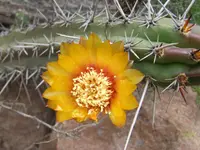
When side shoots form low on the stem, selectively thin crowded ones and allow a few well-spaced offsets to remain so the plant builds a stable, multi-stem clump less prone to snapping in wind.

Rugged Container Choice

Choose a heavy, wide-based clay or concrete pot to counterbalance tall top growth and reduce the risk of the plant tipping over, especially in exposed outdoor positions.

Gradual Sun Hardening

Before moving a plant from indoors to intense outdoor sun, increase light exposure over 10–14 days using shade cloth or dappled shade to prevent epidermal scorch on the ribs.

Dry-Surface Wintering

In cool, bright winter storage, water so that the mix dries fully and the upper 1–2 cm stays visibly dry for long stretches, which reduces the risk of cold-related root rot when caring for Corryocactus aureus.

Common Pests and Diseases

Cochineal scale

This pest appears as white, cottony patches packed into cactus ribs, spines, and areoles, often exuding bright red carmine dye when crushed. Infestations cause yellowing, shriveling, and slowed growth, especially on plants kept dry and warm.

Solution

Physically remove clusters with a cotton swab dipped in 70% isopropyl alcohol, then rinse the stems with a firm stream of water and allow them to dry in bright, airy conditions. For heavier infestations on outdoor plants, use a low-toxicity insecticidal soap or horticultural oil, repeating every 7–10 days until no new insects appear; avoid spraying during intense sun or high heat to prevent stem scalding when caring for Corryocactus aureus.

Red spider mites

These insects are tiny, often invisible to the eye, but cause fine speckling, dulling, and a dusty or bronzed look on stems, sometimes with very fine webbing in areoles and between ribs. Symptoms include increased vulnerability during hot, dry periods with low humidity and poor air movement.

Solution

Increase air circulation and gently hose down the stems to physically remove mites, taking care not to damage tissue. Follow up with repeated applications of insecticidal soap or a light horticultural oil, ensuring good coverage of ribs and areoles every 5–7 days until new damage stops.

Soft scale

This pest forms smooth, tan to brown dome-shaped bumps tightly attached to stems and lower ribs, often producing sticky honeydew that can attract sooty mold. Affected plants may weaken, show patchy yellowing, and produce fewer healthy new segments.

Solution

Scrape or wipe off individual scales with a cloth or soft brush dipped in 70% isopropyl alcohol, then rinse the plant and let it dry in bright light. For persistent infestations, treat with insecticidal soap or horticultural oil, carefully coating all stem surfaces and repeating after 7–10 days to catch newly emerged crawlers.

Anthracnose lesions

This disease causes sunken, tan to dark-brown spots with defined edges on green stems, sometimes enlarging and coalescing into irregular patches under warm, wet conditions. Symptoms include localized tissue collapse that may crack or scar over time.

Solution

Promptly cut out or carve away affected stem tissue with a sterile blade, then let the wound dry and callus in a dry, well-ventilated spot out of direct strong sun. Reduce overhead watering, avoid wetting the stems, and improve spacing and airflow; in repeatedly wet climates, a labeled copper-based fungicide can be used preventively during prolonged rainy periods.

Bacterial stem soft rot

Symptoms include sudden soft, water-soaked, often foul-smelling areas on stems that rapidly collapse, especially after mechanical damage or prolonged dampness. The affected tissue may turn dark and ooze, spreading quickly along ribs if not controlled.

Solution

Immediately remove and discard all affected segments, cutting well into firm, healthy tissue with a sterile knife, and allow remaining cut surfaces to dry and callus in a warm, dry place. Reduce watering, keep the plant in very free-draining substrate, avoid splashing water onto wounds, and increase airflow to limit further bacterial spread.

Interesting Facts

Golden columnar growth

This species forms slender, upright stems covered with yellowish spines that give the plant a distinctly golden appearance, unlike the whiter spines of many related Corryocactus species.

Andean dry-habitat specialist

Corryocactus aureus is native to arid regions of the central Andes, where it grows on rocky slopes and open scrub, tolerating intense solar radiation and large day–night temperature swings.

Night-pollinated flowers

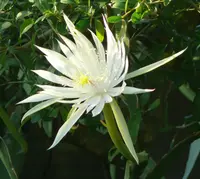
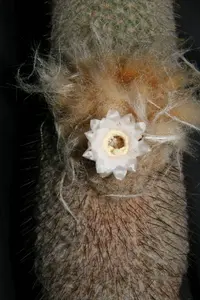
The tubular flowers are typically nocturnal and pale-colored, a combination that suggests adaptation to pollination by night-active animals such as moths or bats in its native range.

FAQs about Corryocactus aureus

This species performs best outdoors in bright, dry conditions with excellent drainage. Indoors it survives only in the sunniest, warmest windows and very porous soil. Corryocactus aureus indoor care is challenging in low-light or humid homes.

Grow Healthy Plants with Botan Care

Keep your plants happy and healthy with plant identification, disease detection, and easy care guidance.

Botan plant care app — identify plants on mobile

Explore More Plants