


Rotate Hanging Pot
Rotate the hanging container 90° every 2–3 weeks so the stems receive light from different angles and develop evenly colored, uniformly cascading growth rather than leaning to one side.

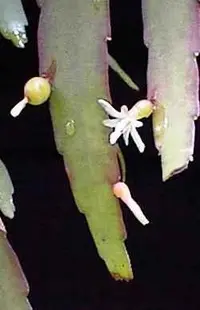
Kimnachia (Pseudorhipsalis ramulosa) is an epiphytic cactus, which means it naturally grows on trees rather than in the ground. It has long, flattened, often reddish or purple-tinged stems that arch or cascade, giving it a striking hanging habit.
This species is native to tropical forests of Central and South America, where it receives bright, filtered light and regular moisture without long dry spells. It is generally considered easier to grow than many desert cacti because it tolerates indoor humidity and does not need intense sun.
To care for Kimnachia, provide bright indirect light, a loose, fast-draining potting mix, and allow the top of the soil to dry slightly between waterings.

Care Difficulty
Moderate Care

Light Preference
Bright Indirect Light

Water Requirements
Moderate Water

Temperature Preference
Tropical / Frost Sensitive

Hardiness Zone
11–12

Soil Texture
Sandy, Loamy, Organic-rich

Soil pH
Acidic (5.5–6.5), Slightly acidic (6.5–7.0)

Soil Drainage
Moist but well-drained

Fertilization
Light (every 4–6 weeks)
Scan your plant to receive care tips personalized for your specific plant
Available on iOS and Android
Pseudorhipsalis ramulosa prefers bright, indirect light similar to a shaded tree canopy.
This epiphytic cactus prefers slightly moist, fast-draining substrate rather than staying either soggy or bone dry for long.
This species favors mild, frost-free conditions similar to a warm, shaded tropical understory.
This epiphytic cactus prefers moderate humidity but adapts well to typical home conditions.
This species needs a loose, aerated mix that drains rapidly yet holds light, even moisture.
This trailing cactus suits container culture very well, including hanging baskets.
Pseudorhipsalis ramulosa benefits from light, consistent feeding during its active season, especially in indoor culture such as Kimnachia indoor care.
Pruning Pseudorhipsalis ramulosa is mainly used to control length and maintain a tidy, cascading form.
Repotting supports healthy roots and stable growth when this epiphytic cactus becomes crowded in its container.
This species is commonly propagated from stem cuttings rather than seed for consistent results.
This tropical epiphytic cactus is not frost hardy and needs mild, protected conditions in winter.

Plant Health Check
Not sure what's wrong with your plant? Check your plant's health inside the app.
This species is native to humid tropical forests from Mexico to Brazil, where it grows as an epiphyte on trees or rocks rather than rooted in soil, relying on organic debris for nutrients.
Its small, star-shaped, white to greenish flowers typically open at night or in low light and are thought to be adapted for pollination by nocturnal insects in its native habitat.
The flattened, strap-like stems can turn red or purple when exposed to higher light, due to increased production of protective pigments called anthocyanins that help shield tissues from light stress.

This cactus belongs to a primarily epiphytic lineage within the cactus family (Cactaceae) that evolved away from the desert environment, adapting to shaded, rain-washed forest canopies with thin, flattened stems instead of the thick, spiny pads typical of many cacti.
Blooming is often reduced by insufficient light intensity, very low phosphorus, or stress from recent repotting. Stable bright conditions, light feeding with a balanced fertilizer, and avoiding frequent disturbance usually restore flowering over the next season when growing Kimnachia.
Keep your plants happy and healthy with plant identification, disease detection, and easy care guidance.

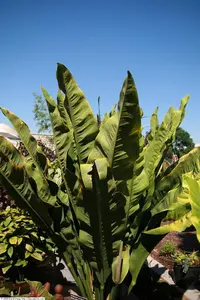
Anthurium coriaceum
Anthurium coriaceum
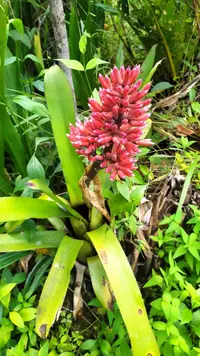
Aechmea melinonii
Aechmea melinonii
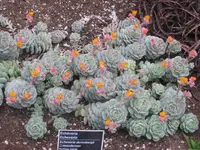
Derenberg's Painted Lady
Echeveria derenbergii
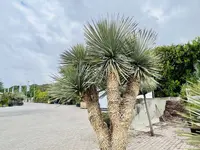
Beaked yucca
Yucca rostrata
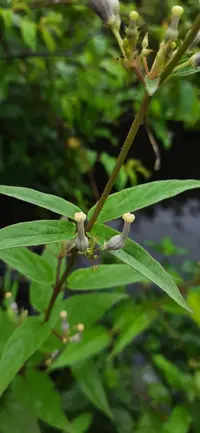
Ceropegia lawii
Ceropegia lawii

Acanthocereus oaxacensis
Acanthocereus oaxacensis
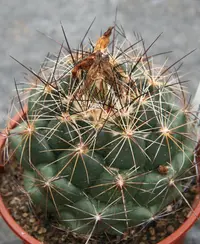
Coryphantha delaetiana
Coryphantha delaetiana
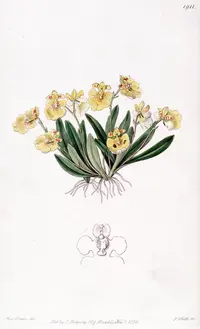
Erycina crista-galli
Erycina crista-galli