Aloe lateritia Care

Aloe lateritia

About Aloe lateritia

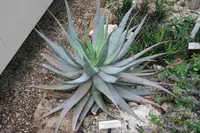
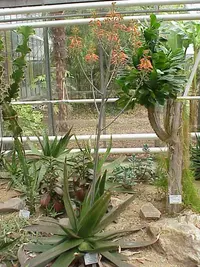
Aloe lateritia is a medium-sized succulent from East Africa, valued for its upright rosettes of thick, lance-shaped leaves and showy orange to red flower spikes. The leaves often develop attractive reddish tones in strong light.

In its native habitats of Kenya and Tanzania, it grows in rocky, well-drained sites with seasonal drought. This background makes Aloe lateritia relatively tolerant of neglect, provided excess moisture is avoided.

It generally prefers bright light, low to moderate watering, and gritty soil, which suits many indoor and patio conditions. With these basics in mind, it is straightforward to care for Aloe lateritia.

Main Plant Requirements

Care Difficulty

Easy Care

Light Preference

Full Sun

Water Requirements

Low Water

Temperature Preference

Tropical / Frost Sensitive

Hardiness Zone

10–12

Soil Texture

Sandy, Loamy, Rocky

Soil pH

Slightly acidic (6.5–7.0), Neutral (7.0)

Soil Drainage

Well-drained

Fertilization

Minimal (feed rarely)

Get Personalized Care Plan

Scan your plant to receive care tips personalized for your specific plant

Available on iOS and Android

How to Care for the Aloe lateritia

This sun-loving succulent thrives in bright, open positions with some protection from the harshest afternoon rays.

  • Provide 6–8 hours of direct sunlight daily, ideally strong morning sun with light afternoon shade, especially in hotter regions.
  • Plant where it receives full sun in winter and early spring, as low-angle light is weaker, but introduce plants gradually to stronger summer sun to prevent scorch.
  • Tolerates light partial shade, yet prolonged shade causes elongated, weak growth and dull leaf color, while excessive midday sun can burn leaf tips and margins.

This species stores water in its leaves and needs infrequent but thorough watering in fast-draining soil.

  • Allow the top 3–5 cm of soil to dry fully before watering, then soak the root zone so excess drains away quickly, using gritty, well-drained soil or a cactus mix.
  • Reduce watering in cool seasons, sometimes to once every 3–4 weeks, while in hot, dry weather water when leaves start to feel slightly less firm.
  • Watch for signs of stress: yellowing, mushy leaves and a sour smell suggest overwatering, while thin, curling, or wrinkling leaves indicate Aloe lateritia is too dry.

This succulent prefers warm, dry conditions and is sensitive to freezing temperatures.

  • Aim for an optimal growing range of 65–85°F (18–29°C), where growth is steady and leaf color remains strong without heat stress.
  • Protect from cold; brief exposure down to about 30–32°F (-1–0°C) may be tolerated if dry, but repeated frosts can damage leaf tissue and crowns.
  • In hotter periods above 95°F (35°C), provide some afternoon shade and airflow to reduce heat stress, and avoid planting near reflective walls that intensify heat.

This species tolerates typical indoor humidity and prefers relatively dry air around 30–50%.

  • Aloe lateritia handles dry central heating well, as long as roots are not overwatered.
  • Very high humidity combined with cool temperatures can slow growth and encourage leaf spotting from fungal issues.
  • If air is extremely dry and hot, reduce stress by shielding the plant from intense drafts from heaters or vents rather than adding moisture.

This aloe needs fast-draining, mineral-rich soil to prevent root rot.

  • Use a gritty, sandy mix such as 50–60% cactus potting mix with 40–50% mineral material like pumice, perlite, or coarse sand.
  • Aim for slightly acidic to neutral pH, around 6.0–7.0, which suits typical succulent mixes without special adjustment.
  • Ensure the mix feels loose and crumbly; large mineral particles keep pores open for air movement around the roots.
  • Avoid dense peat-heavy or clay-based soils that stay wet, as these quickly lead to root and crown rot in Aloe lateritia.

This species is well suited to container growing when drainage and stability are managed carefully.

  • Choose a pot just slightly wider than the root ball so the coarse mix dries evenly without staying wet at the center.
  • Select a heavy terracotta or ceramic container if the rosette becomes tall, to prevent tipping in wind or on balconies.
  • Ensure drainage holes stay clear by covering them with mesh or a single flat shard, not a thick gravel layer that can trap water.

This drought-tolerant succulent needs modest feeding, focused on the active growing season.

  • Use a diluted balanced liquid fertilizer (around 10-10-10) at 1/4–1/2 strength for Aloe lateritia in spring and summer.
  • Apply every 4–6 weeks only when the plant is actively growing in bright light.
  • Skip feeding in fall and winter when growth slows, to avoid weak, stretched tissue.
  • Avoid rich compost or heavy slow-release pellets that keep soil wet and may cause root burn.

Pruning Aloe lateritia is mainly hygienic, aimed at keeping rosettes clean and preventing rot.

  • Best time is late spring to early summer, when plants are actively growing and heal faster.
  • Remove dried, yellow, or damaged leaves at the base with a clean, sharp knife or pruning shears.
  • Cut spent flower stalks close to the rosette once flowering is finished to tidy the plant.
  • Thin crowded offsets only if they distort the clump or trap moisture, which can invite pests or disease.

Repotting or transplanting is occasional, mainly to manage offsets and refresh the gritty mix.

  • Check for roots circling the pot, bulging sides, or slowed growth as signs the container is tight.
  • Plan to move Aloe lateritia to a slightly larger pot every 2–3 years in late spring or early summer.
  • Use a shallow, wide container with fast-draining cactus mix, keeping roots gently spread, not bent.
  • Water lightly after repotting, keep in bright but indirect light for 5–7 days, and avoid fertilizer to reduce stress.

Propagation of Aloe lateritia is most reliable through offsets, with seeds used mainly by patient growers.

  • Separate offsets in late spring or early summer when they have several leaves and firm roots.
  • Lift the clump, tease pups away with a clean knife, and let cut surfaces dry 1–2 days before potting.
  • Plant in slightly moist, gritty cactus mix and provide bright, indirect light and warm temperatures around 70–80°F.
  • Sow seeds on the surface of sterile, sandy mix, keep lightly moist and warm, and expect slow, uneven germination.

Winter care focuses on keeping this succulent dry and above freezing, especially in containers.

  • Aloe lateritia is frost-sensitive and should be kept above 32°F, ideally 40–50°F in winter.
  • Move potted plants indoors to a bright, cool window or greenhouse before the first hard frost.
  • Greatly reduce watering, allowing the mix to dry fully, to prevent cold-related root rot.
  • In mild climates, use a light gravel mulch around outdoor plants to insulate the crown and improve drainage.

Care Tips

Pot weight check

Lift the pot periodically and learn its weight when dry versus moist; this helps time irrigation precisely for this species’ thick, water-storing roots.

Root zone inspection

Slide the plant partly out of its pot once a year to check for firm, white roots and remove any mushy or blackened sections with a sterile knife before repotting into fresh mix.

Sun acclimation routine

When moving the plant outdoors or to stronger light, increase exposure over 7–10 days by adding 30–60 minutes of direct sun every 2–3 days to prevent leaf scorch.

Winter rest adjustment

In cooler, low-light months, allow the mix to stay dry slightly longer and avoid repotting or heavy feeding so the plant can maintain a semi-dormant rest period.

Preventing crown rot

Angle the rosette slightly when potting and avoid letting water sit in the leaf center so the crown dries quickly after watering, which is critical when growing Aloe lateritia in humid climates.

Common Pests and Diseases

Aloe mite

This pest causes abnormal, warty or coral-like growths on leaves and around the rosette, often with distorted, swollen, or bumpy tissue. Symptoms include rough galls that may be reddish or brown and do not rub off.

Solution

Remove and discard all affected leaf sections or entire plants that show severe galling, cutting well into healthy tissue with a sterile blade. Isolate nearby plants, improve spacing and air movement, and apply a sulfur-based or miticide spray labeled for eriophyid mites to surrounding aloes according to label directions.

Aloe rust

This disease produces round to oval orange, brown, or almost black pustules on both sides of the leaves, often surrounded by yellow halos. Symptoms include weak growth and premature leaf yellowing when infections are heavy.

Solution

Cut off and discard infected leaves, disinfecting tools between cuts, and avoid wetting the foliage when watering. Provide strong light and good airflow, remove fallen plant material, and, in severe or recurring cases, use a copper-based fungicide labeled for ornamental succulents, following all safety instructions.

Mealybugs

These insects appear as white, cottony clusters in leaf axils, under dried leaves, and around the base of the rosette, often causing sticky honeydew and sooty mold. This pest weakens plants, leading to stunted growth and yellowing foliage.

Solution

Physically remove visible clusters with a cotton swab dipped in isopropyl alcohol and peel away old, dry leaves where colonies hide. For larger infestations, rinse the plant thoroughly, improve light and air circulation, and apply an insecticidal soap or neem oil spray, repeating every 7–10 days until no new mealybugs appear.

Aphids

These insects cluster on tender leaf bases and young offsets, sucking sap and excreting sticky honeydew that can attract ants and encourage sooty mold. This pest often appears after stress events such as sudden temperature swings or overfertilizing.

Solution

Rinse colonies off with a firm stream of water, paying attention to crevices between leaves and around offsets. If populations persist, use an insecticidal soap or horticultural oil spray, reduce excess nitrogen fertilization, and control nearby ant activity to prevent reintroduction.

Bacterial soft rot

This disease causes wet, foul-smelling, mushy areas at the leaf base or in wounds, often starting in damaged tissue after overwatering or mechanical injury. Symptoms include rapid tissue collapse and a strong rotting odor, especially in warm, humid conditions.

Solution

Remove and discard all affected tissue, cutting back into firm, healthy material, and allow wounds to dry and callus in bright, indirect light. Reduce watering, improve drainage and air movement, avoid splashing water into the rosette, and do not reuse contaminated pots or tools without thorough disinfection.

Interesting Facts

Distinct brick-red foliage

In strong sun, the thick triangular leaves turn a vivid brick-red to orange rather than staying green, which helps reduce light stress and water loss in its exposed grassland habitat.

Solitary rosette habit

Unlike many clustering aloes, this species typically forms a single, neat rosette that slowly enlarges over time, giving it a symmetrical, almost architectural shape in rocky slopes and open savannas.

Striking bicolored flowers

The tall flower stalks carry tubular blooms that are orange-red in bud and often become yellowish at the mouth when open, a color contrast that is highly attractive to sunbirds, its main pollinators in East Africa.

FAQs about Aloe lateritia

Lack of blooms usually comes from insufficient light, a pot that is too small, or a plant that is still immature. Cool, dry winter rest and strong sun in spring often trigger tall orange-red flower spikes.

Grow Healthy Plants with Botan Care

Keep your plants happy and healthy with plant identification, disease detection, and easy care guidance.

Botan plant care app — identify plants on mobile

Explore More Plants