witchdoctor's aloe Care (Aloe globuligemma)

witchdoctor's aloe

About witchdoctor's aloe

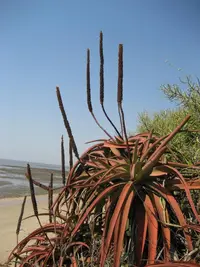
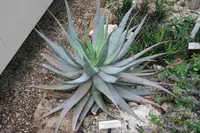
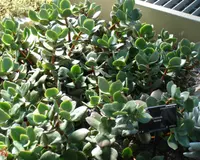
Witchdoctor's aloe (Aloe globuligemma) is a small, clumping succulent known for its compact rosettes of thick, pointed leaves. The foliage is usually blue-green with small, pale spots and firm teeth along the edges, giving it a textured, architectural look.

This species is native to southern Africa, where it grows in dry, rocky habitats with intense sun and well-drained soil. It produces tall flower stalks with tubular orange to red blooms that attract pollinators.

The plant is generally tough and forgiving if kept in bright light, low to moderate moisture, and gritty, free-draining soil. These traits make it relatively straightforward to care for witchdoctor's aloe in containers or small indoor collections.

Main Plant Requirements

Care Difficulty

Easy Care

Light Preference

Full Sun

Water Requirements

Low Water

Temperature Preference

Tropical / Frost Sensitive

Hardiness Zone

10–12

Soil Texture

Sandy, Loamy, Rocky

Soil pH

Acidic (5.5–6.5), Slightly acidic (6.5–7.0)

Soil Drainage

Well-drained

Fertilization

Minimal (feed rarely)

Get Personalized Care Plan

Scan your plant to receive care tips personalized for your specific plant

Available on iOS and Android

How to Care for the witchdoctor's aloe

This drought-adapted Aloe needs strong light but benefits from some protection from intense midday sun.

  • Provide 6–8 hours of sun daily, ideally with morning sun and light afternoon shade, especially in hot, inland climates.
  • Tolerates bright, open shade or dappled light, but witchdoctor's aloe becomes elongated and loses compact form if light is too low.
  • In very strong summer sun, use filtered light or slight shading to prevent leaf scorch, shown by bleaching, crisp brown tips, or rough sunken patches.

This species stores water in its leaves and prefers infrequent, deep watering in fast-draining soil.

  • Water only when the top 3–5 cm of soil are completely dry; in warm growing seasons this may range from weekly to every few weeks depending on heat and soil type.
  • In cool seasons, reduce watering sharply; keep roots just barely active rather than moist for long periods to limit rot risk for Aloe globuligemma.
  • Watch for soft, yellowing, translucent leaves as a sign of overwatering, and thin, wrinkling leaves and very light pot weight or dry soil depth as signs of underwatering.

This Aloe prefers warm, dry conditions and is sensitive to prolonged cold and frost.

  • Optimal growth occurs around 70–85°F (21–29°C); brief spikes to 90–95°F (32–35°C) are tolerated if soil drains well and airflow is good.
  • Avoid temperatures below 40°F (4°C); light, short frost may damage leaf tips, while repeated freezes can kill the growing point.
  • In regions with cold winters, grow in-ground only where nights stay above 40–45°F (4–7°C), or move container plants to a frost-free, bright, dry location for winter protection.

This succulent tolerates low humidity and rarely needs special moisture control indoors.

  • Target 30–50% air humidity, similar to most heated or air-conditioned homes.
  • Plant tolerates very dry air better than damp, stagnant rooms that promote rot.
  • If leaf tips shrivel while soil is dry, slightly raise humidity by grouping plants or placing a pebble tray nearby; caring for witchdoctor's aloe rarely needs humidifiers.

Use a very fast-draining, mineral-heavy mix to prevent root and crown rot in Aloe globuligemma.

  • Choose a gritty, sandy mix with large pores, such as cactus mix amended with extra coarse material.
  • Aim for roughly 60–70% inorganic components like pumice, perlite, or coarse sand, plus 30–40% lean organic matter.
  • Keep pH slightly acidic to neutral, around 6.0–7.0, avoiding strongly acidic or alkaline substrates.
  • Avoid dense garden soil, high-peat mixes, or containers that hold water, which collapse pore spaces and suffocate roots.

This species grows very well in containers when drainage and stability are managed carefully.

  • Select a wide, shallow pot that matches the fibrous, spreading root system and reduces water-holding depth.
  • Use unglazed clay if extra evaporation is needed in cool or low-light positions, as it dries faster than plastic or glazed ceramic.
  • For outdoor setups, choose a heavier pot or add top dressing gravel so the rosette is not tipped over by wind or uneven growth.

This drought-adapted succulent needs light feeding during active growth but tolerates lean soil well.

  • Use a diluted balanced liquid fertilizer (around 10-10-10 or 20-20-20 at 25–50% strength) during spring–summer.
  • Apply every 4–6 weeks while growth is strong; skip feedings if the soil is very rich.
  • Reduce or stop fertilizing in fall–winter when growth slows to avoid weak, stretched tissue.
  • For caring for witchdoctor's aloe in pots, avoid compost-heavy mixes and choose low-salt, cactus-formulated products.

Pruning Aloe globuligemma is mainly hygienic, helping maintain a tidy, healthy rosette.

  • Best time is late winter to early spring, before the main growth flush.
  • Remove dead, dried, or damaged leaves at the base with a clean, sharp knife or pruning scissors.
  • Cut spent flower stalks close to the rosette once they dry to direct energy back to roots and leaves.
  • Thin out crowded offsets only if needed to improve air flow and maintain the plant’s clumping shape.

Container-grown plants benefit from occasional repotting to refresh the substrate and manage offsets.

  • Repot every 2–3 years or when roots circle the pot, growth slows, or the plant becomes top-heavy.
  • Choose late spring as the preferred time, when Aloe globuligemma enters its active growth phase.
  • Use a slightly larger pot with fast-draining cactus mix; handle roots gently and keep them as intact as possible.
  • After repotting, keep soil barely moist for 7–10 days to limit root stress and allow wounds to callus.

This species is most often propagated from offsets, with seeds used mainly for larger-scale or breeding work.

  • Detach offsets in spring–early summer once they show a clear root system and several leaves.
  • Allow cut surfaces to dry and callus for 2–3 days in shade before planting in a gritty cactus mix.
  • Keep the medium just lightly moist, warm (70–80°F), and bright but out of harsh midday sun for steady rooting.
  • For Aloe globuligemma seed, sow on the surface of sterile, sandy mix and maintain gentle warmth and light.

In mild climates this aloe is fairly tolerant of cool, dry winters but is not fully frost hardy.

  • Avoid exposure below about 28–30°F; brief light frosts may mark leaves but can be survived if soil is dry.
  • For in-ground plants, keep soil sharply drained and add a gravel mulch to insulate the root zone.
  • Move container plants under cover or indoors to a bright, cool room before hard freezes arrive.

Care Tips

Offset management

Remove and replant offsets once they reach about 5–7 cm tall and show their own root growth, using a sterile knife and allowing cut surfaces to dry for 2–3 days before potting to reduce rot risk and maintain a compact mother plant.

Summer rain protection

In climates with heavy summer storms, keep containers under a clear overhang or in a cold frame so foliage and crown stay dry while the pot still receives strong light, which helps prevent crown rot and leaf spotting.

Winter light boost

During short winter days, move the plant to the brightest, coolest indoor window and rotate the pot 90° every 1–2 weeks to keep rosettes symmetrical and prevent weak, stretched growth.

Root health checks

Inspect roots every 1–2 years at the start of the warm season, trimming away any black, mushy, or hollow roots with disinfected tools and repotting into fresh, sharply draining mix to keep the plant vigorous.

Gravel collar barrier

After potting, add a 1–2 cm collar of coarse mineral top-dressing such as pumice or gravel around the neck of the plant to keep the crown dry, reduce fungus gnat breeding, and stabilize the rosette when caring for witchdoctor's aloe.

Common Pests and Diseases

Aloe mite

This pest causes distorted, swollen, or tumor-like growths (galls) along leaf edges, tips, or in the central rosette. Symptoms include rough, warty, or cauliflower-like tissue that slowly expands over time.

Solution

Remove and discard all affected leaves and rosettes, cutting well into healthy tissue with a sterile blade, and destroy the removed material so mites do not spread. Isolate the plant, keep it drier with good airflow, and if new galls appear, apply a targeted miticide labeled for eriophyid mites according to the product directions.

Aloe scale

These insects appear as small, hard, brown or gray bumps on leaves and stems, often along the lower leaf surfaces or near the base. Symptoms include yellowing, loss of vigor, sticky honeydew, and sometimes sooty mold on the leaf surface.

Solution

Manually scrape or wipe off visible scale with a cotton pad dipped in diluted alcohol, then rinse the plant. For heavier infestations, use repeated applications of insecticidal soap or horticultural oil, applied thoroughly to all leaf surfaces, and reduce plant crowding to limit re-infestation.

Mealybugs

These insects form white, cottony clusters in leaf axils, at the base of rosettes, and on roots in the potting mix. Symptoms include stunted growth, yellowing leaves, and sticky residue that may attract ants.

Solution

Dab visible mealybugs with cotton swabs dipped in diluted alcohol, then rinse the plant and let it dry in bright, indirect light. For ongoing problems, unpot the plant to check roots, remove infested soil, repot into fresh, fast-draining mix, and use several rounds of insecticidal soap or systemic insect control suitable for succulents.

Leaf spot

This disease produces small to medium brown, tan, or black spots on leaves, sometimes with a darker edge and pale halo. Symptoms include coalescing lesions that can cause patches of dead tissue, especially under high humidity or overhead watering.

Solution

Remove and discard affected leaves or cut out heavily spotted sections with a sterile blade, then improve airflow and switch to watering at the soil level only. Allow the plant to dry well between waterings, and in persistent cases use a copper-based or other labeled fungicide on healthy leaves as a preventative, following label directions carefully.

Bacterial soft rot

This disease causes rapidly soft, water-soaked, and foul-smelling tissue, often starting at a wound, leaf base, or crowded center of the rosette. Symptoms include collapsing leaves that turn mushy and translucent, especially in warm, overly wet conditions.

Solution

Immediately cut away all affected soft tissue well into firm, healthy material with sterile tools and let the wounds dry in a warm, airy place. Discard severely affected plants, reduce watering volume and frequency, increase drainage and airflow, and avoid splashing water onto the crown to prevent recurrence when growing Aloe globuligemma in containers or rock gardens.

Interesting Facts

Rainy-season growth strategy

This species is native to summer-rainfall regions of southern Africa and flushes most of its growth during the wet season, then slows almost to dormancy in dry, cool periods.

Camouflaged leaf markings

Its leaves often show pale spots and bands that break up the plant’s outline, helping it blend with surrounding grasses and stones in its natural habitat.

Clumping colony former

Instead of forming a single large rosette, it produces many offsets over time, creating dense clumps that can stabilize sandy soils and help the group resist erosion.

Botan icon

Did you know?

In its native range, this species often flowers at the height of the rainy season, producing tall, branched inflorescences with tubular orange to red flowers that are shaped and positioned for efficient pollination by sunbirds and large insects.

FAQs about witchdoctor's aloe

Yellowing leaves usually come from excess moisture around the roots, compact or poorly draining soil, or prolonged cold. Check that the pot drains freely, remove standing water, and allow the root zone to dry moderately between waterings.

Grow Healthy Plants with Botan Care

Keep your plants happy and healthy with plant identification, disease detection, and easy care guidance.

Botan plant care app — identify plants on mobile

Explore More Plants