alluaudia Care (Alluaudia ascendens)

alluaudia

About alluaudia

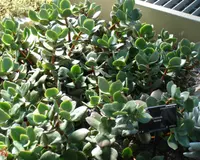
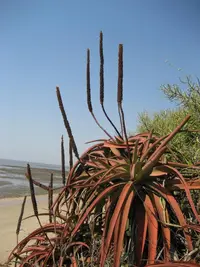
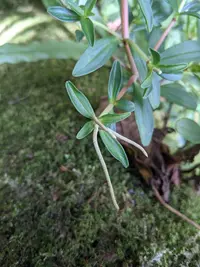
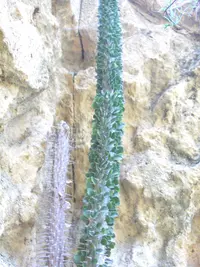
Alluaudia ascendens is a succulent shrub to small tree from the spiny forests of southern Madagascar. It belongs to the Didiereaceae family, a group adapted to hot, dry habitats. Tall, upright, and heavily armed with paired spines, it carries small, rounded leaves that line the stems during the growing season, giving a striking architectural look. In cultivation it is usually grown in containers or dry gardens, where its slow to moderate growth and columnar form make it a sculptural accent. This species prefers strong light, warm temperatures, and very fast-draining, mineral-rich soil. Its drought tolerance and relatively low maintenance needs make it appealing to collectors once they understand how to care for alluaudia.

Main Plant Requirements

Care Difficulty

Moderate Care

Light Preference

Full Sun

Water Requirements

Low Water

Temperature Preference

Tropical / Frost Sensitive

Hardiness Zone

10–12

Soil Texture

Sandy, Loamy, Rocky

Soil pH

Slightly acidic (6.5–7.0), Neutral (7.0)

Soil Drainage

Well-drained

Fertilization

Minimal (feed rarely)

Get Personalized Care Plan

Scan your plant to receive care tips personalized for your specific plant

Available on iOS and Android

How to Care for the alluaudia

This succulent shrub thrives in strong, consistent sun typical of arid climates.

  • Provide 6–10 hours of direct sun daily; full sun is ideal, especially in dry, open sites.
  • Tolerates light afternoon shade in very hot regions to reduce leaf scorch, but too much shade causes weak, sparse growth and fewer leaves.
  • In winter, especially in higher latitudes, ensure the site stays as bright as possible; move any potted alluaudia to a south-facing, unobstructed position.

This drought-adapted species prefers infrequent, deep watering and fast-drying soil.

  • Allow the top 5–8 cm of soil to dry fully before watering; in hot, dry weather this may mean watering every 10–21 days, less often in cooler periods.
  • Use very free-draining, gravelly soil so water runs through quickly and roots are not left in standing moisture.
  • Overwatering shows as yellowing, soft, dropping leaves and stem rot; prolonged dryness shows as shriveling stems and rapid leaf drop.

This plant favors warm, dry conditions and is sensitive to cold and frost.

  • Aim for 70–90°F (21–32°C) during active growth; it tolerates brief highs up to about 100°F (38°C) if soil is dry and air is moving.
  • Keep above 50°F (10°C) whenever possible; growth slows below this and tissue damage can occur with repeated chills.
  • Protect from frost at all times, as freezing temperatures can kill stems and roots; in marginal climates, grow Alluaudia ascendens in containers that can be moved to shelter for winter.

This species prefers relatively dry air and usually grows well at 30–50% humidity.

  • Tolerates typical indoor dry air and does not require added humidity devices.
  • Low humidity stress appears mainly as slow growth rather than leaf damage, so monitor overall vigor.
  • If air is very dry and hot, increase humidity slightly by grouping plants or placing a shallow water tray nearby without wetting the soil.

Alluaudia ascendens needs a very fast-draining, mineral-based mix to prevent root rot.

  • Use a gritty, sandy mix such as 50–60% inorganic material (pumice, coarse perlite, or grit) blended with cactus potting mix.
  • Ensure the structure stays loose and airy; avoid fine peat-heavy mixes that compact and hold water.
  • Aim for slightly acidic to neutral pH, around 6.0–7.0, which most commercial cactus mixes already provide.
  • Improve drainage by using larger mineral particles (3–6 mm) and keeping organic content low, especially in cool or low-light conditions.

This species adapts well to container growing when the pot is chosen for stability and drainage.

  • Choose a heavy, wide-based pot to counterbalance the tall, top-heavy stems and reduce tipping risk.
  • Select unglazed clay containers in hot climates to allow faster evaporation and keep the root zone drier.
  • Elevate the pot on feet or a stand so drainage holes clear the saucer and water runs off quickly after watering.

This drought-adapted succulent shrub needs only light feeding under cultivation.

  • During spring–summer, apply a balanced liquid fertilizer (around 10-10-10) diluted to 25–50% strength every 6–8 weeks.
  • Alternatively, use a low-dose slow-release succulent or cactus fertilizer at the start of the growing season.
  • Skip feeding in fall–winter when growth slows and soil stays cooler.
  • Avoid high-organic compost or strong feeds, which can cause soft, weak growth in alluaudia.

Pruning Alluaudia ascendens is mainly used to control height and remove weak growth.

  • Carry out pruning in late spring or early summer, once active growth is clear.
  • Remove dead, damaged, or crossing branches with clean, sharp bypass pruners.
  • Shorten overly tall or leggy stems to outward-facing nodes to maintain a single or few strong columns.
  • Disinfect tools before and after use to reduce disease risk, and avoid heavy cuts on stressed plants.

Container-grown plants need infrequent repotting due to relatively slow root expansion.

  • Check for roots circling the pot, emerging from drainage holes, or unexplained slow growth as signals to repot.
  • Plan repotting for late spring, every 3–4 years, using a gritty, fast-draining cactus mix and a slightly larger pot.
  • Minimize root disturbance, gently loosening only tight root coils and keeping the root ball mostly intact.
  • After repotting Alluaudia ascendens, keep soil just barely moist, out of strong sun for 7–10 days to limit transplant shock.

This species is most often propagated from cuttings rather than seed in home collections.

  • Take semi-ripe stem cuttings in late spring–summer, selecting firm, healthy segments with several nodes.
  • Allow cut ends to dry and callus for 3–5 days before planting to reduce rot risk.
  • Insert cuttings into a coarse, sterile cactus mix, keeping temperatures around 75–85°F and light bright but indirect.
  • Water very sparingly until roots form, then gradually increase light and moisture to normal Alluaudia ascendens plant care levels.

This Madagascar succulent is highly frost-sensitive and needs careful winter management in most climates.

  • Keep plants above 50°F, with an ideal winter range of 55–65°F and very bright light indoors or in a greenhouse.
  • Move containers inside before night temperatures approach 45°F, ensuring good airflow around stems.
  • Water sparingly in winter, letting the mix dry almost completely between light waterings to prevent root rot.
  • In mild climates, potted plants can stay outside under a roofed, frost-free porch if fully sheltered from freezing winds.

Care Tips

Deep pot selection

Choose a tall, heavy container with multiple drainage holes so the deep taproot can develop properly and the plant remains stable as stems become top-heavy.

Progressive staking

Install a sturdy stake while the plant is still young, then upgrade to taller or thicker supports as stems lengthen, loosely tying them with soft plant ties to prevent wind or handling damage.

Safe handling strategy

Use thick gloves and folded newspaper or a rolled towel to gently cradle spiny stems when repotting or repositioning, which protects both your hands and the brittle branches from breakage.

Controlled branching

If a more branched silhouette is desired, tip-prune only the youngest, softest growth at the stem ends in late spring, removing very small sections so the plant has time to respond and seal wounds in warm, dry conditions.

Cool-season slowdown

In winter, move the plant to the brightest, coolest frost-free spot available and keep it completely dry if leaves drop, which helps prevent root rot and mirrors its natural dormant period when growing alluaudia in containers.

Common Pests and Diseases

Mealybugs

This pest feeds on sap and hides in spine bases and stem joints, often leaving white cottony clusters on Alluaudia stems. Symptoms include sticky honeydew and sooty mold on nearby surfaces.

Solution

Isolate the plant, then dab visible insects with cotton swabs dipped in 70% isopropyl alcohol and wipe along stems and areole lines. For heavier infestations, use a systemic insecticide labeled for succulents or repeated applications of insecticidal soap, ensuring good coverage of stems while keeping the soil on the dry side during treatment.

Spider mites

These insects thrive in hot, dry indoor air and feed on the narrow leaves, causing stippling, yellowing, and fine webbing along stems and branch tips. Symptoms include gradual leaf drop and a dull, dusty look to foliage.

Solution

Rinse stems and leaves thoroughly with a strong but controlled stream of lukewarm water, focusing on the undersides of leaves and joints. Increase ambient humidity slightly around the plant without overwatering the soil, and apply a miticide or insecticidal soap in several cycles 5–7 days apart to interrupt their life cycle, which supports alluaudia indoor care in dry homes.

Scale insects

This pest appears as small brown or gray bumps tightly attached to stems and along the leaf bases, drawing sap and weakening growth over time. Symptoms include yellowing leaves, reduced vigor, and sticky honeydew.

Solution

Gently scrape or lift off individual scales with a fingernail or soft brush, then wipe stems with a cloth lightly moistened with diluted isopropyl alcohol. For persistent cases, apply a systematic insecticide or horticultural oil during the active growth period, taking care not to overapply oil in very high heat or intense sun.

Stem canker

This disease causes localized sunken, dark, or corky patches on stems, often starting at small wounds or pruning cuts. Symptoms include gradual girdling of affected segments and dieback of the portions above the lesion.

Solution

Prune out affected stem sections well below the visible lesion with sterilized tools and discard the cut material. Improve airflow, avoid overhead watering, and disinfect cutting tools between plants; in collections with repeated issues, a targeted fungicide spray on fresh wounds and nearby stems can help limit spread.

Interesting Facts

Madagascar dry-forest native

This species is endemic to the spiny thicket and dry forests of southwestern Madagascar, where it grows on rocky, limestone-rich soils with very low and highly seasonal rainfall.

Deciduous drought strategy

The plant is drought-deciduous, meaning it can drop most or all of its small leaves during extended dry periods to reduce water loss, relying on its thick, photosynthetic stems to continue basic metabolism.

Specialist pollinator relationship

In its native range, the flowers are visited by specific insect pollinators, including certain bees, which are adapted to access the nectar in its small, clustered blooms, supporting both seed production and local insect diversity.

Botan icon

Did you know?

This species is a key structural component of Madagascar’s spiny thicket, forming tall, spiny thickets that provide critical shelter and nesting sites for several endemic reptiles and birds, including some that are rarely found outside these Alluaudia-dominated stands.

FAQs about alluaudia

Growth is moderate rather than very fast. In warm, bright, frost-free climates it may add 15–30 cm per year. Container-grown plants usually grow slower due to limited root space, cooler temperatures, and less intense light.

Grow Healthy Plants with Botan Care

Keep your plants happy and healthy with plant identification, disease detection, and easy care guidance.

Botan plant care app — identify plants on mobile

Explore More Plants