Houseplant Identification by Photo
Take a Photo and Learn What Plant You Have
Use a professional houseplant identifier for accurate recognition and care tips. Get the Botan app to have a reliable houseplant assistant on your phone.


Take a Photo and Learn What Plant You Have
Use a professional houseplant identifier for accurate recognition and care tips. Get the Botan app to have a reliable houseplant assistant on your phone.
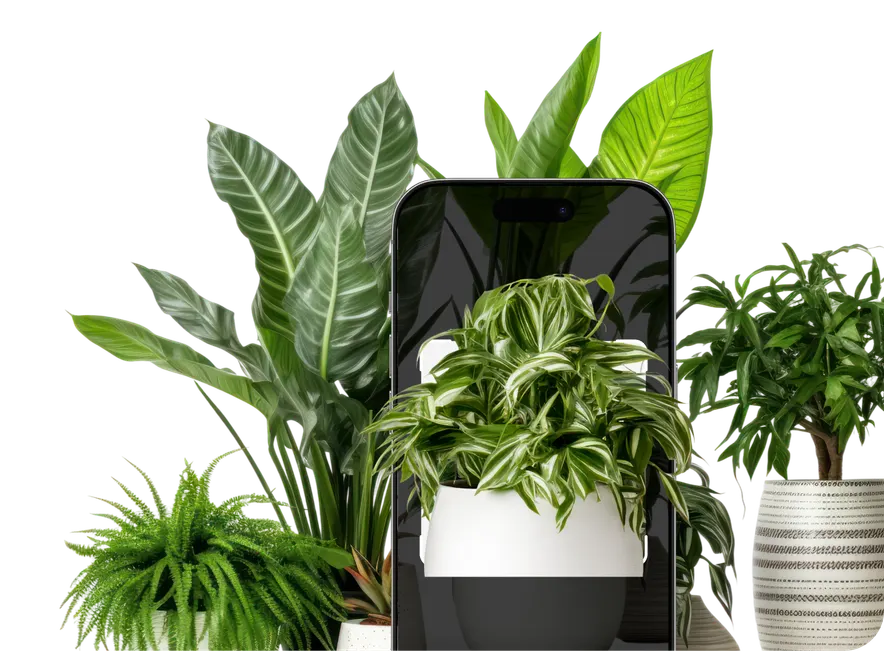
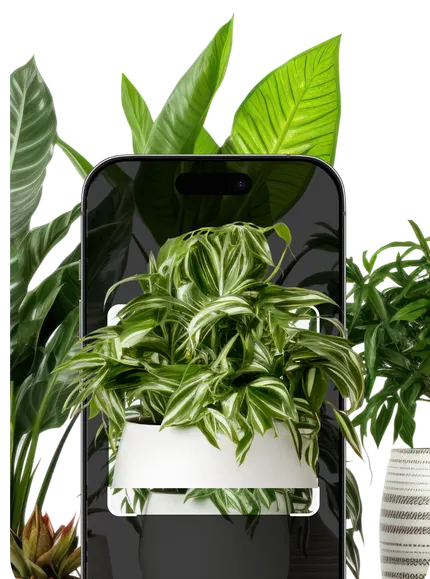

Plant Identifier Online for Free
Use easy-to-see images for the best plant ID results. Try not to take photos from very far away.
 POPULAR
Monstera
Monstera deliciosa
 POPULAR
Money Tree
Pachira aquatica
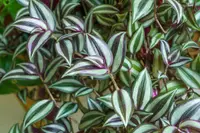 POPULAR
Wandering Jew
Tradescantia zebrina
 POPULAR
Swiss Cheese Vine
Monstera adansonii
 POPULAR
Fiddleleaf Fig
Ficus lyrata
 POPULAR
Polka Dot Begonia
Begonia maculata
 POPULAR
ZZ Plant
Zamioculcas zamiifolia
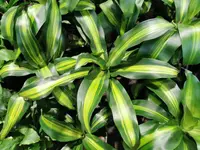 POPULAR
Corn Plant
Dracaena fragrans
 POPULAR
Wax Plant
Hoya carnosa
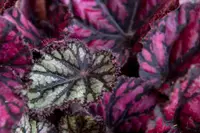 POPULAR
King Begonia
Begonia rex
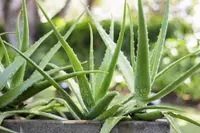 POPULAR
Aloe
Aloe vera
 POPULAR
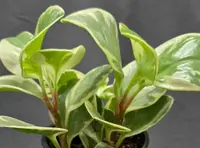
Baby Rubberplant
Peperomia obtusifolia
 POPULAR
Weeping Fig
Ficus benjamina
 POPULAR
Queen of The Night
Epiphyllum oxypetalum
 POPULAR
Purple Heart
Tradescantia pallida
 POPULAR
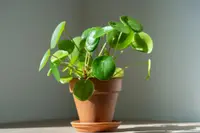
Chinese Money Plant
Pilea peperomioides
 POPULAR
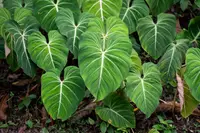
Philodendron gloriosum
Philodendron gloriosum
 POPULAR
Flaming Katy
Kalanchoe blossfeldiana
 POPULAR
Giant White Bird of Paradise
Strelitzia nicolai
 POPULAR
Hoya Hearts
Hoya kerrii
 POPULAR
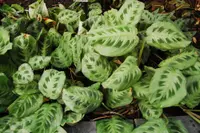
Prayerplant
Maranta leuconeura
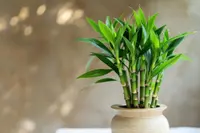 POPULAR
Lucky Bamboo
Dracaena sanderiana
 POPULAR
False Shamrock
Oxalis triangularis
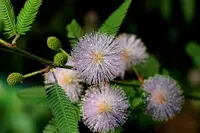 POPULAR
Sensitive Plant
Mimosa pudica
Many wonder, “How to identify houseplants if you are not a professional botanist?” The key is to spot specific visual characteristics, like leaf shape, texture of the surface, and color patterns, as they store the most information about your plant.
What You See | Common Example |
Long, upright, narrow sword-like leaves | |
Thick, glossy, slightly waxy surface | |
Soft, slightly fuzzy leaf surface | |
Big, deeply lobed or split leaves |
One of the most distinct physical traits that is used for houseplant identification is leaf shape. Various classifications exist for leaf shape, yet the shape itself is determined by its outline (including the apex, margin, and base). However, the most common types are the following:
Keep in mind that houseplant identification by leaf shape can be challenging, as there are 70+ types of leaf and leaflet shapes.
The texture of the leaf surface is crucial for correct indoor plant identification. Most classifications identify 8 surfaces and textures of leaves, but there are numerous combinations of surface forms. Generally, the main ones are:
You may sometimes see puckered or wrinkled leaves on your indoor plants, which can be a sign of uneven growth, moisture stress, or pests. It’s not a guarantee of a problem, but a sign that your plant requires more attention.
Leaf patterns appear on multi-colored leaves. They help to ID houseplants faster, as they narrow down the species variation.
The most common patterns you can find in houseplants are:
Note that there are also combined patterns, like in Drimiopsis maculata variegata, which is known as “spotted striper.”
The quality of the photos you upload or take influences the accuracy of identifying houseplant pictures. The golden rule is that the better the quality and visibility of the plant in the picture, the better the result.
To get the most out of the Botan houseplant scanner, we prepared 3 practical tips:
These 3 tips are easy to follow and can significantly reduce the number of identification attempts.
If you often wonder, “What kind of houseplant is this?” or are not sure what to do with your plants, you need Botan:
Note: The Botan houseplant identifier is not limited to just houseplants but can recognize thousands of indoor and outdoor species.
Yes, in most cases. But for higher accuracy, it’s better to include all parts of the picture, like the stem and the bloom.