Fruit Identification
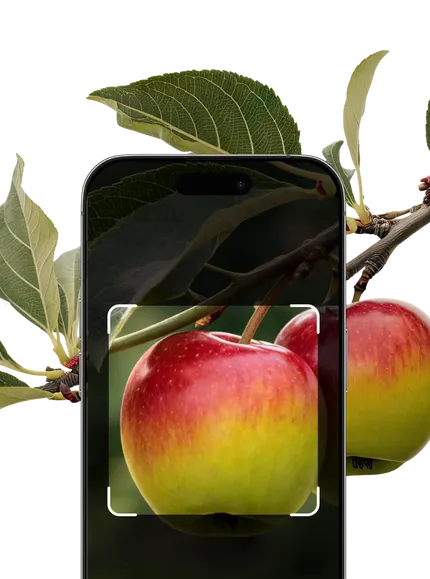
Point, Snap & Identify a Fruit in Seconds
If you’re asking yourself, “What kind of fruit is this?”, don’t guess. With Botan, you’ll learn the answer in 1-3 seconds, with 98% accuracy.

Point, Snap & Identify a Fruit in Seconds
If you’re asking yourself, “What kind of fruit is this?”, don’t guess. With Botan, you’ll learn the answer in 1-3 seconds, with 98% accuracy.


Plant Identifier Online for Free
Use easy-to-see images for the best plant ID results. Try not to take photos from very far away.
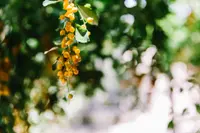
Sky flower
Duranta erecta
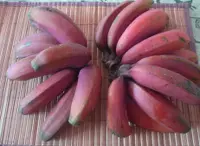
Cavendish banana
Musa acuminata
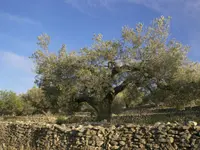
Olive tree
Olea europaea
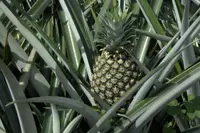
Pineapple
Ananas comosus
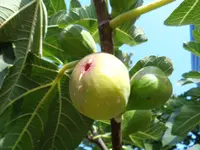
Fig tree
Ficus carica
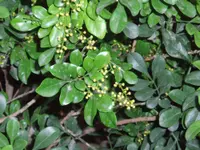
Chinese perfume plant
Aglaia odorata
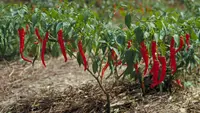
Cayenne pepper
Capsicum annuum
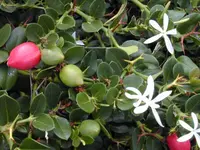
Natal plum
Carissa macrocarpa
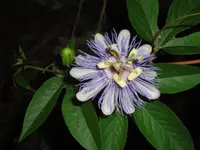
Maypop
Passiflora incarnata
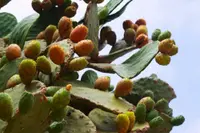
Stenocereus pruinosus
Stenocereus pruinosus
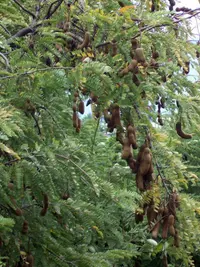
Tamarind
Tamarindus indica
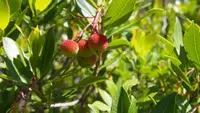
Strawberry tree
Arbutus unedo
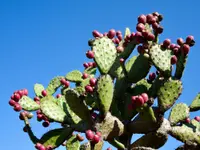
Prickly pear
Opuntia ficus-indica
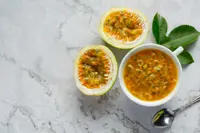
Passion fruit
Passiflora edulis
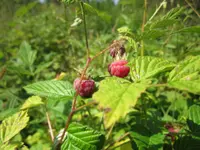
Raspberry
Rubus idaeus
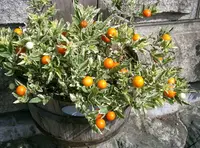
Jerusalem cherry
Solanum pseudocapsicum

hawthorn
Crataegus monogyna
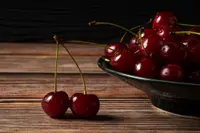
black cherry
Prunus serotina
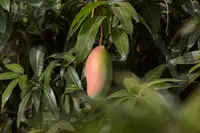
mango tree
Mangifera indica
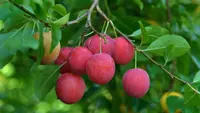
cherry plum
Prunus cerasifera
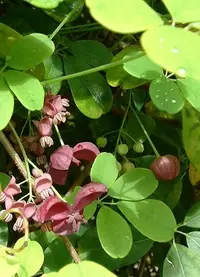
chocolate vine
Akebia quinata
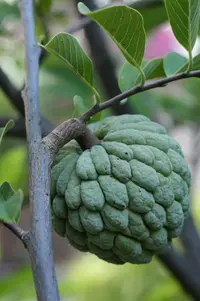
Sugar apple
Annona squamosa
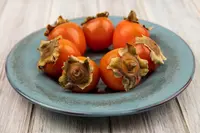
american persimmon
Diospyros virginiana
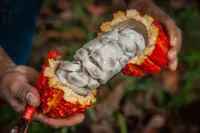
cacao tree
Theobroma cacao
Botan is designed to help you identify fruit from a picture in seconds. The system is powered by advanced, highly specialized AI combined with botanical research and expertise.
If you’re asking yourself, “What fruit is this?”, you can just take a photo and learn the answer immediately. The system won’t just compare it briefly. It will analyze it, spotting the tiniest distinctive features of 30,000+ species in our database.
Studies show that fruit classifications by shape, color, and texture achieve the highest accuracy (around 83%, 90%, and 89%, respectively). The exact same criteria can be applied for identification. Let’s see how such an approach can work in practice.
If you want to identify fruit, start with color analysis. These are the key categories you can come across:
Note that though color is a useful first filter, it has its limitations. Colors and shades may vary within the same species.
Botanists distinguish 35 types and subtypes of shapes, but we’re going to focus on the 5 most common ones:
Note that the shape alone isn’t enough if it’s an edible fruit. For example, spines and thorns don’t indicate toxicity, while the round form doesn’t guarantee edibility.
Texture is a more consistent feature than, for example, color. Take a close look at the surface to see if it’s:
To sum up, species ID requires step-by-step analysis. Start with color, then evaluate the shape, and then analyze the texture.
You should never rely on a single feature — only a combination of factors will lead you to the correct result.
In addition to basic criteria, professionals analyze the internal structure, the flower's structure, and seed release. So, identification is a complex and time-consuming process.
However, if you use our fruit identifier online, the process will be much simpler and completely stress-free. Automation offers multiple advantages simultaneously.
Aspect | Manual Identification | Botan Identification |
Time Needed | Takes hours or more | Takes 1-3 seconds |
Cognitive Load | Very high, requires analyzing categories, comparing traits, and excluding hundreds of options | Minimal for a user, the app is powered by specialized AI |
Expertise Value | Prior knowledge is required to achieve accuracy | The system uses botanical studies and professional expertise automatically |
Consistency | Hard to achieve because of cognitive bias (focus on more obvious features, familiarity bias) | Full, the algorithm evaluates dozens of features according to a science-based hierarchy |
Additional Factors | Growth stages, subtle differences between species, and seasonal and environmental factors are often missed | Considers micro-features and factors, ripeness, and damage |
Yes, with the Botan scanner, you can identify a common species, a tropical fruit, or a wild fruit. Our database is connected to some of the world’s largest botanical databases and provides as accurate results as possible.