BotaN logo

Strawberry tree Care (Arbutus unedo)

About Strawberry tree

The strawberry tree, Arbutus unedo, is an evergreen shrub or small tree grown for its attractive bark, glossy leaves, and unusual fruit. It typically forms a rounded, dense crown and develops reddish-brown peeling bark as it matures.

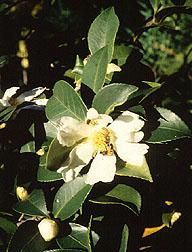
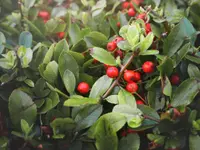
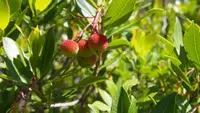
Small white to pink, urn-shaped flowers appear in clusters, often at the same time as the round, bumpy red fruits, which resemble strawberries but have a mealy texture. It is native to the Mediterranean region and western Europe, where it grows in mild climates and well-drained soils.

This species is generally tough, tolerating coastal conditions, poor soils, and some drought once established. These traits make it relatively straightforward to care for Strawberry tree in suitable climates with good light and drainage.

Main Plant Requirements

Care Difficulty

Moderate Care

Light Preference

Full Sun

Water Requirements

Low Water

Temperature Preference

Cold Hardy

Hardiness Zone

7–10

Soil Texture

Sandy, Loamy, Rocky

Soil pH

Acidic (5.5–6.5), Slightly acidic (6.5–7.0)

Soil Drainage

Well-drained

Fertilization

Minimal (feed rarely)

Get Personalized Care Plan

Scan your plant to receive care tips personalized for your specific plant

Available on iOS and Android

How to Care for the Strawberry tree

Arbutus unedo prefers bright outdoor conditions with a balance of sun and light shade.

  • Provide 4–6 hours of direct sun daily, ideally with morning sun and light afternoon shade in hotter regions to reduce leaf scorch.
  • Tolerates partial shade, but flowering and fruiting of the Strawberry tree improve with more sun, especially in mild coastal climates.
  • In summer, protect young plants from intense late-afternoon sun, and in winter ensure they are not shaded all day by buildings or evergreen trees.

Arbutus unedo prefers evenly moist but not saturated soil once established in the landscape.

  • Water when the top 3–5 cm of soil feels dry, then soak the root zone deeply, allowing excess water to drain away fully.
  • Reduce watering frequency in cool or rainy seasons; increase slightly in hot, dry, or windy weather, watching for dull, drooping leaves as a sign of thirst.
  • Avoid waterlogged clay by improving drainage; yellowing leaves, twig dieback, or persistent soggy soil indicate overwatering and possible root stress.

This species is a mild-climate evergreen that tolerates some cold once established.

  • Optimal growth occurs around 55–75°F (13–24°C), with steady conditions helping Arbutus unedo maintain foliage and set flowers and fruit reliably.
  • Mature plants usually withstand brief drops to about 10–15°F (-12–-9°C), but young specimens are more vulnerable and benefit from wind protection and mulch in winter.
  • Handles summer heat up to about 90–95°F (32–35°C) if soil is mulched and not dry; prolonged frost, freezing winds, or rapid freeze–thaw cycles can damage new growth.

This species tolerates a wide humidity range and usually does not need special humidity management.

  • Target 30–60% humidity; typical indoor and outdoor levels in most homes and gardens are acceptable for Strawberry tree.
  • Dry air rarely harms the plant, but prolonged hot, dry winds can desiccate foliage, especially on young container specimens.
  • Humidity stress shows as leaf edge browning and tip dieback; provide light wind protection and consistent soil moisture rather than misting.

Arbutus unedo prefers freely draining, slightly acidic to neutral mineral soils with some organic matter.

  • Use a sandy or loamy structure with 30–50% coarse material such as sharp sand, fine gravel, or grit to prevent waterlogging around the roots.
  • Aim for pH 6.0–7.0; avoid very alkaline or chalky mixes that can cause nutrient lockout and leaf chlorosis, especially in containers.
  • Incorporate modest, well-rotted compost or leaf mold for organic content, but keep the mix lean rather than highly fertile to maintain compact growth.
  • On heavy clay, improve aeration by creating a raised planting area and blending in coarse grit, avoiding peat-heavy or water-retentive potting mixes.

This species can be grown successfully in containers when given a stable, deep, and very free-draining setup.

  • Choose a tall, heavy pot that resists tipping, as the woody canopy becomes top-heavy in wind-exposed positions.
  • Use a mineral-rich mix with added grit over a drainage layer, so water moves quickly away from the crown and woody root collar.
  • Position the container where runoff can exit freely and the pot base is slightly elevated, preventing drainage holes from sealing against the ground.

Arbutus unedo benefits from light, targeted feeding but often performs well in reasonably fertile soil.

  • Use a balanced slow-release fertilizer (around 10-10-10) or well-rotted compost in early spring to support new growth.
  • Apply fertilizer once in spring and, in poor soils, once again in midsummer; avoid frequent feeding.
  • Use half-strength liquid feed if using soluble fertilizer, always on moist soil to limit root burn.
  • Suspend feeding in late fall and winter, as the Strawberry tree grows slowly and does not use extra nutrients.

Pruning Arbutus unedo is mainly about maintaining structure and removing problem wood.

  • Carry out pruning in late winter or very early spring, before strong new growth begins.
  • Remove dead, diseased, crossing, or storm-damaged branches using clean, sharp bypass pruners or a pruning saw.
  • Thin congested interior shoots to improve light and air movement, helping reduce fungal disease risk.
  • Shape lightly by shortening overly long shoots to a side branch, keeping the natural rounded form and flowering wood.

Arbutus unedo is usually grown in the ground, so focus on careful transplanting or infrequent container repotting.

  • Transplant or up-pot in early spring or early fall, when temperatures are mild and soil moisture is stable.
  • Look for roots circling the container drainage holes, slow growth, or frequent wilting as signs a pot-grown plant needs more space.
  • Move to a container only 1–2 sizes larger, tease out circling roots gently, and set at the same soil level.
  • Water thoroughly after transplanting, then keep soil evenly moist and shaded from harsh sun for 1–2 weeks to reduce transplant shock.

Propagation of Arbutus unedo is possible but slower than many shrubs and requires patience.

  • Semi-ripe cuttings taken in late summer root best in a sharply draining, slightly acidic mix under high humidity.
  • Use bottom heat (around 70°F) and bright, indirect light to encourage rooting, which may take several months.
  • Fresh seeds can be sown in fall, outdoors or in a cold frame, benefiting from natural winter chilling for germination.
  • Keep seed trays or cutting pots just moist, never waterlogged, to prevent rot while roots or seedlings develop.

Arbutus unedo is moderately cold hardy but benefits from some winter attention in colder regions.

  • Established plants usually tolerate light frost; young specimens are more sensitive to prolonged freezes.
  • Apply a 5–8 cm mulch layer over the root zone in late fall, keeping it slightly away from the trunk.
  • Wrap young stems with breathable frost cloth or burlap during severe cold spells, especially in exposed sites.
  • Grow containers in sheltered spots and move pots into an unheated garage or porch where temperatures stay above about 20–25°F.

Care Tips

Root zone mulching

Apply a 5–8 cm layer of bark or wood-chip mulch in a wide ring around the base, keeping it 5–10 cm away from the trunk to stabilize soil moisture and protect the fine surface roots that this species relies on.

Selective branch training

In the first 3–5 years, lightly tie young, flexible branches to a bamboo cane or stake to encourage a strong central leader and well-spaced scaffold branches, which reduces future breakage and makes harvesting fruit easier.

Fruit load management

If branches bend under heavy fruit clusters, thin some developing fruits by hand so that remaining fruits size up better and the brittle wood is less likely to snap in wind or under its own weight.

Wind exposure planning

When planting in a breezy site, orient the main leader away from prevailing winds and install a low, loose windbreak such as a permeable fence or shrub line to reduce leaf scorch and branch damage while still allowing good air movement.

Trunk and root protection

Avoid soil buildup, paving, or heavy foot traffic directly around the trunk flare and main root zone, as compacted or buried roots significantly weaken the tree and shorten its life when growing Strawberry tree in small gardens or urban settings.

Common Pests and Diseases

Leaf spot

This disease causes small brown to dark purple spots on leaves that can merge into larger blotches, sometimes leading to early leaf drop.

Solution

Prune out heavily spotted leaves to reduce inoculum, avoid overhead watering, and ensure good air circulation around the canopy; in severe, recurring cases, a copper-based fungicide applied according to label directions can help protect new growth.

Phytophthora canker

This disease produces sunken, dark cankers on the trunk or main branches, often with oozing sap and dieback of the canopy above the affected area.

Solution

Remove and destroy affected branches back to healthy wood, avoid waterlogging around the root zone, and improve drainage; in high-value specimens, soil drenches with a phosphonate fungicide may slow progression when used strictly according to label instructions.

Leaf gall

This disease causes distorted, swollen, fleshy galls on young leaves, shoots, or flower buds, which later turn brown and harden.

Solution

Prune and dispose of galled tissues as soon as they are seen to reduce spore spread, and avoid overhead irrigation that keeps foliage wet for long periods; consistent sanitation is usually enough for effective Arbutus unedo care in gardens with light pressure.

Arbutus leaf miner

This pest creates pale, winding or blotchy tunnels inside leaves as the larvae feed between the leaf surfaces, sometimes leading to premature leaf drop.

Solution

Remove and destroy mined leaves during the growing season to break the life cycle, encourage natural predators by avoiding broad-spectrum insecticides, and, if damage is heavy, use a targeted systemic insecticide labeled for leaf miners and ornamental trees.

Scale insects

These insects appear as small, dome-shaped or oval bumps on stems and leaves, sucking sap and causing yellowing, poor growth, and sticky honeydew that can support sooty mold.

Solution

Physically scrape or wipe small infestations with a cotton pad dipped in isopropyl alcohol, prune heavily infested twigs, and, for larger trees, apply horticultural oil during the appropriate season to smother crawlers while monitoring for beneficial insects.

Interesting Facts

Fruit and flower overlap

This species often carries ripe red fruits and new white urn-shaped flowers on the same plant at the same time, because its fruits take about a year to mature. The overlapping generations make the shrub visually distinctive in late autumn and winter.

Specialist pollinator partner

In parts of its native Mediterranean range, the ivy bee Colletes hederae frequently visits its late-season flowers, using the nectar and pollen when few other shrubs bloom. This late flowering period supports pollinators at a time when many other resources are scarce.

Natural pioneer species

It acts as a pioneer shrub on poor, rocky, or fire-affected soils, where it can resprout from the base after burning. Its deep root system helps stabilize slopes and contributes to gradual soil improvement over time.

Botan icon

Did you know?

Charcoal made from this species was historically valued in parts of southern Europe for high-quality gunpowder production, because its wood yields a dense, even-textured charcoal that burns in a controlled and predictable way.

FAQs about Strawberry tree

Growth is generally slow to moderate. Young plants may add 15–30 cm per year, sometimes more in ideal coastal climates. Container specimens usually grow more slowly, especially if root-bound or kept slightly dry.

Grow Healthy Plants with Botan Care

Keep your plants happy and healthy with plant identification, disease detection, and easy care guidance.

Botan plant care app — identify plants on mobile

Explore More Plants