Use Sturdy Trellising
Install a strong, permanent trellis or wire system before planting, using posts set at least 45–60 cm deep, so the vine can be trained early and the structure can safely support heavy fruit loads over many years.

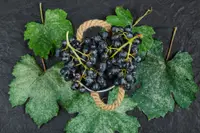
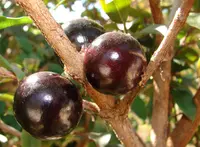
Fox grape, Vitis labrusca, is a hardy deciduous vine best known as a parent of many familiar table and juice grapes. It produces vigorous climbing stems with large, slightly fuzzy leaves and loose clusters of slip-skin grapes that are usually dark purple and strongly aromatic.
This species is native to eastern North America, where it grows along woodland edges, riverbanks, and open fields. It is generally robust and tolerant of cold and humidity, but its vigor and need for support can make care for fox grape more demanding in small gardens.
It prefers full sun, moderately moist but well-drained soil, and good air circulation to limit common grape diseases.

Care Difficulty
Moderate Care

Light Preference
Full Sun

Water Requirements
Moderate Water

Temperature Preference
Cold Hardy

Hardiness Zone
4–8

Soil Texture
Sandy, Loamy, Clay

Soil pH
Acidic (5.5–6.5), Slightly acidic (6.5–7.0)

Soil Drainage
Well-drained

Fertilization
Minimal (feed rarely)
Scan your plant to receive care tips personalized for your specific plant
Available on iOS and Android
Vitis labrusca needs abundant direct sun to produce high-quality fruit and healthy vines.
Vitis labrusca prefers evenly moist, well-drained soil rather than frequent shallow watering.
This grape species thrives in temperate climates with cool winters and warm summers.
Humidity is not a critical factor for Vitis labrusca, which adapts well to typical outdoor ranges.
Vitis labrusca prefers deep, loose, well-drained mineral soils that support strong root growth and steady moisture.
This species can be grown in large containers outdoors, but only with careful attention to root space and stability.
Vitis labrusca grows well in moderately fertile soil but benefits from thoughtful feeding in production settings.
Pruning Vitis labrusca is essential for controlling vigor and maintaining fruiting wood.
Fox grape is usually grown in-ground, so care focuses on correct planting and occasional transplanting of young vines.
Vitis labrusca is commonly propagated vegetatively to maintain cultivar traits and consistent fruit quality.
Vitis labrusca is generally cold hardy in many temperate regions and often needs only minimal winter care in the ground.

Plant Health Check
Not sure what's wrong with your plant? Check your plant's health inside the app.
The berries produce a characteristic “foxy” aroma and flavor due to specific volatile compounds such as methyl anthranilate, which clearly separates them from European wine grapes like Vitis vinifera.
The fruits are slipskin grapes, meaning the tough skin separates easily from the juicy pulp, a trait that makes them well suited for fresh eating, jellies, and juices but less ideal for many classic wine styles.
This North American species is a major genetic parent of many table and juice grape cultivars, including well-known types like 'Concord', which inherit its cold hardiness and disease resistance.

Vitis labrusca vines played a key role in rescuing European vineyards in the 19th century because their rootstocks, along with other American species, were resistant to the devastating phylloxera root louse, leading to widespread grafting of European grapes onto American-resistant roots.
The fruits are edible and commonly used for juice, jelly, and wine, although the thick skins and seeds can be noticeable. Unripe grapes and large quantities of leaves may cause stomach upset in sensitive individuals.
Keep your plants happy and healthy with plant identification, disease detection, and easy care guidance.