Early vine training
Install a low trellis or horizontal netting when vines are 15–20 cm long and gently weave new growth through the mesh every few days to reduce tangling and improve air movement around the foliage.

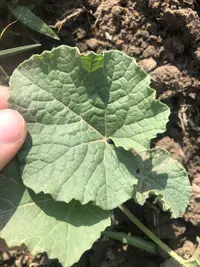
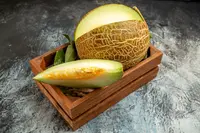
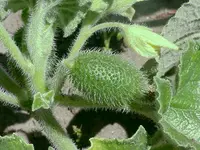
Ulcardo melon, Cucumis melo var. agrestis, is a small-fruited melon variety in the cucurbit family, related to common muskmelons and cucumbers. It typically grows as a trailing or climbing annual vine with slender stems, tendrils, and small, often patterned fruits.
This plant is thought to occur in parts of Asia and nearby regions, where it grows in warm, open habitats. It usually prefers full sun, moderate moisture, and well-drained, fertile soil.
Vigorous growth and a need for warmth mean it can be moderately challenging for beginners, especially in cooler climates. Understanding how to care for ulcardo melon mainly involves managing temperature, space for vines, and steady but not excessive watering.

Care Difficulty
Moderate Care

Light Preference
Full Sun

Water Requirements
Regular Water

Temperature Preference
Tropical / Frost Sensitive

Hardiness Zone
9–11

Soil Texture
Sandy, Loamy, Organic-rich

Soil pH
Acidic (5.5–6.5), Slightly acidic (6.5–7.0)

Soil Drainage
Moist but well-drained

Fertilization
Moderate (every 2–4 weeks)
Scan your plant to receive care tips personalized for your specific plant
Available on iOS and Android
This vining melon prefers strong, direct light to fruit well in open-field conditions.
This melon needs consistent soil moisture but is sensitive to waterlogged conditions.
This warm-season annual thrives in stable, frost-free conditions.
This melon tolerates a fairly wide humidity range but grows best with moderately dry air.
This species prefers loose, well-aerated ground that drains quickly yet holds steady moisture.
This melon can be grown in containers if the pot is large, stable, and drains efficiently.
This annual melon benefits from moderate, targeted feeding to support strong vines and fruiting.
Thoughtful pruning of Cucumis melo var. agrestis helps manage vine spread and improve fruit quality.
This melon is usually started in small containers or trays, then transplanted outdoors once conditions are warm.
This cucurbit is most reliably propagated from seed, rather than from cuttings or division.
This warm-season annual does not survive true winter conditions and is usually grown fresh each year.

Plant Health Check
Not sure what's wrong with your plant? Check your plant's health inside the app.
This plant is considered a wild or weedy relative of cultivated melons and is often used in breeding programs to introduce traits like stress tolerance and disease resistance into commercial Cucumis melo lines.
Populations of this variety show notable genetic and morphological variation in traits such as fruit size, skin pattern, and sugar content, making it a useful model for studying melon domestication and evolution.
In parts of Asia and Africa it commonly appears as a volunteer or weed in agricultural fields, where its small, often bitter fruits are sometimes used locally for food or animal feed when palatable types are found.
This species forms long, branching vines that sprawl along the ground and can climb if given support. Stems often root at the nodes, allowing it to spread widely in warm seasons if not managed.
Keep your plants happy and healthy with plant identification, disease detection, and easy care guidance.