Allegheny blackberry Care (Rubus allegheniensis)

Also known as: American blackberry
Allegheny blackberry

About Allegheny blackberry

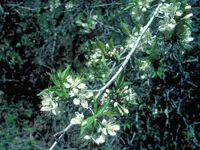
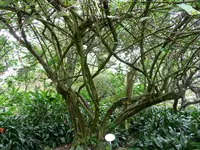
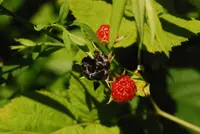
Allegheny blackberry, Rubus allegheniensis, is a deciduous bramble native to eastern North America. It forms arching, thorny canes and dense thickets over time. Leaves are typically divided into three to five leaflets, and white to pale pink flowers appear in clusters, followed by dark, edible berries. This growth habit makes it useful for wildlife habitat and natural hedging. The plant thrives in full sun to light shade, with moderate moisture and well-drained, slightly acidic soil. It is generally vigorous and resilient but can spread aggressively if not managed. Basic pruning and site selection are usually enough to care for Allegheny blackberry successfully.

Main Plant Requirements

Care Difficulty

Easy Care

Light Preference

Full Sun

Water Requirements

Moderate Water

Temperature Preference

Cold Hardy

Hardiness Zone

4–8

Soil Texture

Sandy, Loamy, Clay

Soil pH

Acidic (5.5–6.5), Slightly acidic (6.5–7.0)

Soil Drainage

Moist but well-drained

Fertilization

Minimal (feed rarely)

Get Personalized Care Plan

Scan your plant to receive care tips personalized for your specific plant

Available on iOS and Android

How to Care for the Allegheny blackberry

This species thrives in full sun but tolerates some light shade, especially in warmer climates.

  • Aim for 6–8 hours of direct sun daily; fruiting and cane strength are highest with open, unshaded exposure.
  • In hot summer regions, prioritize morning sun with light afternoon shade to reduce leaf scorch and protect ripening berries.
  • In partial shade (3–4 hours of sun), Allegheny blackberry survives but yields fewer, smaller fruits, especially if shaded during midsummer.

This shrub prefers evenly moist, well-drained soil rather than constant saturation.

  • Water when the top 3–5 cm of soil feels dry, focusing on the root zone instead of wetting foliage to limit disease risk.
  • During flowering and fruit set, maintain slightly moist soil; in cool or rainy periods, skip watering if soil stays damp for 24–48 hours.
  • Signs of overwatering include soft, yellowing lower leaves and sour smell; underwatering shows as dull, folding leaves and small, dry berries on Rubus allegheniensis canes.

This hardy bramble tolerates a wide temperature range but performs best with moderate summers and cold winters.

  • Optimal growing-season temperatures are about 65–80°F (18–27°C), which support strong cane growth and good fruit quality.
  • Established plants tolerate winter lows near -20°F (-29°C); canes may die back in colder snaps, but crowns often resprout in spring.
  • In heat above 90°F (32°C), expect stress; mulch roots 5–8 cm deep and ensure soil moisture to reduce damage from hot, dry conditions.

This species is largely unconcerned with indoor humidity and does not require special humidity management.

Rubus allegheniensis grows best in loose, moist, well-drained mineral soil with moderate organic matter.

  • Aim for a loamy or sandy-loam texture that crumbles easily and does not form dense clods when wet.
  • Maintain slightly acidic to neutral pH around 5.5–7.0, avoiding strongly alkaline or saline sites.
  • Incorporate 20–30% compost or well-rotted manure into native soil to boost structure and moisture retention without waterlogging.
  • Improve drainage and aeration on heavier soils by mixing in coarse sand or fine gravel, and avoid low-lying areas that stay saturated.

This species can be grown in containers, but it is better suited to large, stable outdoor pots than to small decorative ones.

  • Choose a deep, heavy container at least 40–50 cm wide to anchor the spreading canes and keep the root zone cool.
  • Use a weighted or low, broad pot shape to prevent tipping as long canes and fruit clusters make the plant top-heavy.
  • Position the container where it can be secured to a wall, trellis, or railing so cane support structures do not pull the pot over.

Native Rubus allegheniensis usually needs little feeding in the ground, but light nutrition can support fruiting in poorer soils.

  • Use a balanced granular or slow-release fertilizer (around 10-10-10) or well-rotted compost in early spring.
  • Apply once at the start of the growing season; a second light application midseason only if growth is weak.
  • Use half-strength if applying liquid feed to avoid soft, weak canes and excessive leafy growth.
  • Do not fertilize in late fall or winter, as this can stimulate tender growth vulnerable to freeze damage.

Pruning Rubus allegheniensis keeps canes productive, manageable, and healthy.

  • Carry out main pruning in late winter to early spring before buds break.
  • Remove dead, diseased, or damaged canes at ground level, along with the oldest, least productive stems.
  • Thin crowded canes, keeping strong, well-spaced shoots to improve airflow and fruit quality.
  • Use sharp bypass pruners, making clean cuts, and dispose of infected material rather than composting it.

This blackberry is usually field grown, so focus on careful transplanting rather than routine repotting.

  • Transplant in early spring or late fall when plants are dormant and air is cool.
  • Move plants that show crowded, weak growth or roots circling a container or planting hole.
  • Lift with as much root ball as possible, disturb roots minimally, and replant at the same depth in well-drained soil.
  • Water deeply after transplanting, then keep soil evenly moist and shaded for 1–2 weeks to limit transplant shock.

Rubus allegheniensis is commonly propagated for new thickets using simple vegetative methods.

  • Use tip layering in late summer by pegging a flexible cane tip into moist soil until rooted, then severing next season.
  • Take semi-ripe stem cuttings in midsummer, place in a free-draining mix, and maintain high humidity and bright shade.
  • Divide young suckers in early spring, ensuring each division has healthy buds and roots, then replant promptly.
  • Seeds can be sown after cold stratification, but this method is slower and more variable than vegetative propagation.

This species is cold hardy and generally needs minimal winter care in the ground.

  • In colder regions, add a 5–8 cm mulch layer around the root zone after the ground cools, keeping mulch off canes.
  • Leave healthy canes standing through winter, then remove winter-killed tips in early spring.
  • Container-grown plants benefit from shelter against drying winds or moving pots into an unheated but frost-free space.

Care Tips

Cane training system

Install sturdy wires or a simple trellis and tie up first-year canes loosely with soft ties to keep them upright, improve air flow, and make harvesting and pruning easier in later seasons.

Annual cane renewal

After fruiting, remove all floricanes (second-year canes) at ground level and thin the remaining first-year canes to the strongest 4–6 per plant to maintain vigor and reduce disease pressure.

Tip layering propagation

In late summer, bend a healthy first-year cane so its tip touches the soil, pin it down, and cover with 2–5 cm of soil; by next spring it will have rooted and can be separated as a new plant to expand a row or replace weak plants.

Root spread control

Edge the planting area 2–3 times per year with a sharp spade and promptly remove suckers that appear beyond the intended patch to keep the thicket contained and easier to manage.

Bird and wildlife protection

Use bird netting over a simple frame just before berries begin to color so that most of the crop is protected while still allowing good air movement and access for harvesting when growing Allegheny blackberry.

Common Pests and Diseases

Raspberry crown borer

This pest is a clearwing moth whose larvae tunnel inside canes and crowns, causing wilting, poor vigor, and eventual cane death. Symptoms include weak new growth, canes that break easily, and swollen or split crown tissue near the soil line.

Solution

Remove and destroy badly infested or collapsing canes at the base to reduce larvae. For how to take care of Allegheny blackberry in infested areas, keep plantings vigorous with good nutrition, avoid water stress, and, where allowed, apply a targeted soil or crown drench with a labeled systemic insecticide in late summer to early fall when eggs hatch, following local regulations and product directions.

Redberry mite

These insects are microscopic eriophyid mites that feed on developing fruit, causing clusters of drupelets that stay hard, bright red, and fail to ripen. Symptoms include unevenly colored berries with scattered hard red segments that remain inedible.

Solution

Prune and remove old fruiting canes after harvest to remove overwintering mites and improve airflow. Where infestations recur, use a labeled horticultural oil or sulfur spray during dormancy or just before budbreak, making sure to cover canes thoroughly and avoiding applications during very hot weather or near sulfur-incompatible products.

Orange rust

This disease is a systemic fungus that infects canes and roots, causing weak, spindly shoots and bright orange, powdery pustules on the undersides of leaves in spring. Symptoms include distorted growth, early leaf yellowing, and plants that never fruit properly.

Solution

Promptly dig out and destroy entire infected plants, including roots, because the fungus persists internally and will not clear up with sprays. Space new plants to improve air circulation, keep foliage as dry as possible, and avoid bringing in plants from unknown sources; fungicides labeled for bramble rusts may help protect nearby healthy plants but will not cure infected ones.

Anthracnose

This disease is a fungal canker that produces small, sunken, gray lesions with purple margins on young canes and may cause cracking, dieback, and reduced yields. Symptoms include rough, spotted bark, weakened canes, and smaller or fewer berries.

Solution

Prune out and destroy infected or dead canes during dry weather, cutting back well into healthy tissue, and thin stands to improve light and airflow. Apply a labeled preventive fungicide (such as a lime-sulfur or copper product) at budbreak and again after pruning if disease pressure is high, and avoid overhead irrigation to keep canes and foliage drier.

Rose rosette disease

This disease is caused by a virus-like pathogen spread by tiny eriophyid mites and can infect wild and cultivated Rubus in rose-rich landscapes, leading to witches’-broom growth, red distorted shoots, and eventual plant decline. Symptoms include excessive thorniness, twisted leaves, and abnormal clusters of thin shoots from a single point.

Solution

Remove and destroy symptomatic plants promptly, including roots, to limit spread, and do not replant susceptible brambles in the same exact spot immediately. Reduce nearby multiflora rose and unmanaged rose bushes that act as reservoirs, and consider using miticide treatments on remaining brambles only if confirmed mite activity is present and products are specifically labeled for ornamental or bramble use.

Interesting Facts

Key early-successional shrub

This blackberry is a classic early-successional species in eastern North American forests, often dominating recently logged or burned sites and helping stabilize soil while tree seedlings establish.

High wildlife food value

Its large, sweet fruits and winter-persistent canes are a major food and shelter source for birds, black bears, small mammals, and many insect species in mixed hardwood forests.

Thorns and leaf chemistry

The plant combines stout, recurved prickles with tannin-rich leaves, a dual defense that reduces damage from browsing mammals and many leaf-chewing insects.

Botan icon

Did you know?

Rubus allegheniensis can form extensive clonal thickets from a single genetic individual, and in some forest study plots, one clone has been shown to occupy large patches that strongly influence understory light conditions and the regeneration pattern of tree species.

FAQs about Allegheny blackberry

This species spreads vigorously by arching canes and underground rhizomes. In favorable conditions it can form dense thickets, outcompeting nearby vegetation. Regular pruning, mowing around patches, and root-barrier edging help keep it contained in garden settings.

Grow Healthy Plants with Botan Care

Keep your plants happy and healthy with plant identification, disease detection, and easy care guidance.

Botan plant care app — identify plants on mobile

Explore More Plants