Rubus grabowskii Care

Rubus grabowskii

About Rubus grabowskii

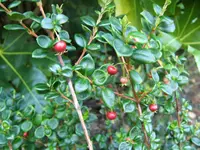
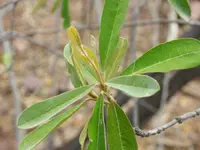
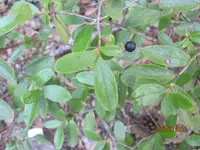
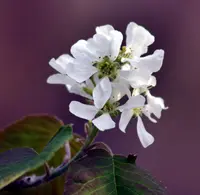
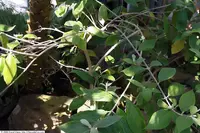
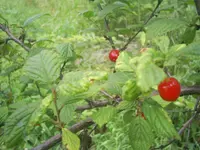
Rubus grabowskii is a wild bramble species in the rose family, related to raspberries and blackberries. It forms arching, prickly canes and a shrubby, thicket-like habit. Small compound leaves and seasonal white to pale pink flowers give it a typical bramble appearance. It is mainly found in parts of Europe, often in sunny to lightly shaded, well-drained sites with moderate moisture. The plant can spread by canes and suckers, which makes it vigorous but also somewhat invasive in suitable conditions. Gardeners who want to care for Rubus grabowskii should be prepared for its strong growth and need for space and basic pruning control.

Main Plant Requirements

Care Difficulty

Moderate Care

Light Preference

Full Sun

Water Requirements

Moderate Water

Temperature Preference

Cold Hardy

Hardiness Zone

5–8

Soil Texture

Loamy, Sandy, Organic-rich

Soil pH

Acidic (5.5–6.5), Slightly acidic (6.5–7.0)

Soil Drainage

Moist but well-drained

Fertilization

Minimal (feed rarely)

Get Personalized Care Plan

Scan your plant to receive care tips personalized for your specific plant

Available on iOS and Android

How to Care for the Rubus grabowskii

This species prefers full sun in most climates but tolerates some partial shade, especially in hotter regions.

  • Provide 6–8 hours of direct sun daily, with morning sun and light afternoon shade ideal in areas with very hot summers.
  • Allow partial shade (around 3–4 hours of direct sun) in warm zones; in cool, cloudy regions, choose an open, unshaded site for stronger growth and fruiting.
  • Watch for scorched, bleached leaves as a sign of excessive intense afternoon sun, and weak, elongated canes as a sign of insufficient light for growing Rubus grabowskii.

This shrub prefers consistently moist but not saturated soil, with slight drying between waterings.

  • Water when the top 3–5 cm of soil feels dry, applying a deep soak that moistens the root zone rather than frequent light splashes.
  • Reduce watering frequency in cool, rainy seasons and during winter dormancy, but do not allow the root area to stay bone dry for long periods.
  • Improve drainage with organic matter; yellowing soft leaves and stem dieback suggest overwatering, while wilting, crisp leaf edges, and small berries suggest underwatering in Rubus grabowskii.

This bramble is cold hardy and tolerates a wide temperature range but grows best in moderate conditions.

  • Aim for active growth in 60–75°F (16–24°C), which supports strong cane development and reliable flowering and fruiting.
  • Mature plants tolerate winter lows down to about 0°F (−18°C) when fully dormant, but young plants benefit from mulch for root insulation in colder areas.
  • In summer, short periods up to 90–95°F (32–35°C) are tolerated if soil moisture is maintained; prolonged extreme heat or sudden hard frosts can damage new shoots and flowers.

This species tolerates a wide range of outdoor humidity and usually does not need special humidity management.

Rubus grabowskii prefers well-aerated, moisture-retentive yet freely draining mineral soils.

  • Use a loamy soil with moderate organic matter, such as a mix of garden loam, compost, and coarse sand or fine grit.
  • Aim for a slightly acidic to neutral pH around 6.0–7.0 to support nutrient availability and root health.
  • Improve aeration and drainage on heavier soils by incorporating coarse sand, fine gravel, or horticultural grit at 20–30%.
  • Avoid compacted, waterlogged, or very shallow soils that promote root rot and weak, disease-prone growth.

This species can be grown in containers if the pot is large and stable enough for its spreading, shrubby habit.

  • Choose a deep, wide, heavy container to accommodate spreading roots and resist tipping in wind once canes elongate.
  • Use a fast-draining mix, such as 2 parts loam-based compost with 1 part coarse sand or grit, to prevent soggy conditions around the crown.
  • Position the container where trailing or arching canes can be trained onto a support or allowed to spill safely without obstructing paths.

This shrub is adapted to low-fertility soils, so Rubus grabowskii usually needs only light feeding in cultivation.

  • Apply a thin layer of well-rotted compost or leaf mold around the root zone once in early spring.
  • If growth is weak, use a balanced slow-release fertilizer (around 10-10-10) at label rates in spring.
  • Avoid high-nitrogen products, which encourage soft, disease-prone shoots and reduce flowering and fruiting.
  • Do not feed in late summer or winter to prevent tender growth that may be damaged by cold.

Pruning helps maintain plant health, control spread, and support flowering and fruiting on Rubus grabowskii.

  • Carry out main pruning in late winter or very early spring before new growth starts.
  • Remove dead, diseased, or damaged canes at ground level using clean, sharp bypass pruners or loppers.
  • Thin out crowded, crossing, or very old canes to improve light and air movement through the clump.
  • Shorten excessively long or arching stems to guide shape and keep the plant within its allocated space.

This bramble is usually grown in the ground, so focus on thoughtful transplanting rather than frequent repotting.

  • Transplant in late fall or early spring when the plant is dormant and soil is workable.
  • Look for signs such as slow growth, dense suckering, or roots circling a container if it is pot-grown.
  • Lift with as much root ball as possible, minimize disturbance, and replant at the same depth in well-drained soil.
  • Water thoroughly after planting, then keep soil evenly moist for several weeks to reduce transplant shock.

Rubus grabowskii is commonly multiplied for landscape or restoration use through simple vegetative methods.

  • Use tip layering in late summer by pegging a young, flexible cane tip into moist soil until roots form.
  • Take semi-ripe stem cuttings in midsummer, place in a free-draining mix, and maintain high humidity until rooted.
  • Divide suckering clumps in early spring or late fall, ensuring each division has healthy buds and roots.
  • Sow seeds outdoors in fall or after cold stratification, as many Rubus seeds need prolonged chilling to germinate.

This species is generally cold hardy in temperate climates and needs only modest winter attention in the ground.

  • Apply a 5–8 cm layer of organic mulch around the root zone in late fall, keeping it slightly away from the canes.
  • In very cold or exposed sites, mound extra mulch or straw over the crown to buffer freeze–thaw cycles.
  • Move container-grown plants into a sheltered, unheated area where soil does not freeze solid for long periods.

Care Tips

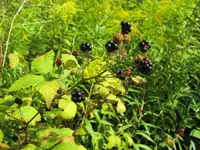
Two-wire trellising

Install a sturdy 2-wire trellis at about 60 cm and 120 cm height, then fan out the canes and tie them loosely with soft ties to keep fruiting wood well spaced and improve air flow and picking access.

Annual cane selection

After fruiting, remove spent canes at ground level and retain only the strongest 6–8 new canes per plant, which concentrates energy into fewer, higher-quality fruiting canes the following season.

Targeted mulch band

Apply a 5–8 cm band of organic mulch only over the root zone, keeping it 5–8 cm away from the crown to suppress weeds, stabilize soil moisture, and reduce crown rot risk.

Preemptive pest monitoring

From spring onwards, use yellow sticky cards and weekly underside-leaf inspections to detect aphids, spider mites, or cane borers early so that interventions can be timed before populations build up, which is critical when caring for Rubus grabowskii.

Row sanitation routine

During dormancy, remove and dispose of fallen leaves, mummified berries, and dead twig tips from around plants to reduce overwintering inoculum of fungal diseases such as cane blight and spur blight.

Common Pests and Diseases

Cane blight

This disease causes sudden wilting and death of canes, often with sunken, dark lesions and cracking bark near pruning cuts or mechanical wounds. Symptoms include poor shoot growth and dieback from the infected area upward.

Solution

Prune out and destroy affected canes well below visible damage during dry weather, and make clean angled cuts that shed water. Avoid injuring canes, improve airflow in the planting, and if cane blight is recurrent, use a labeled fungicide spray at bud break and after pruning as part of broader Rubus grabowskii care instructions.

Anthracnose

This disease produces small purple spots on young canes that enlarge into pale, sunken lesions with dark margins, which can girdle canes and reduce vigor. Symptoms include spotting and shot-hole on leaves and poor fruit quality on heavily infected plants.

Solution

Remove and destroy infected canes after harvest and rake up fallen leaves to reduce spores. Maintain good spacing and trellising for airflow, avoid overhead irrigation, and apply a suitable fungicide at early shoot growth and pre-bloom if the problem is persistent and locally common.

Raspberry cane borer

This pest is a beetle whose larvae tunnel inside young canes, causing wilting and bending of shoot tips in a characteristic double-girdled pattern. Symptoms include drooping tops and hollow, damaged cane tissue above the girdle marks.

Solution

As soon as wilted tips appear, prune and destroy the affected cane section 5–8 in below the lower girdle to remove larvae. Keep plantings clean of wild Rubus species that can host the borer and use row covers or timing of new cane growth to avoid peak adult activity where infestations are severe.

Raspberry sawfly

These insects are green, slug-like larvae that skeletonize leaves, often leaving only veins and causing significant defoliation on young canes. Symptoms include irregular holes and translucent patches on leaves that can progress to near-complete leaf loss.

Solution

Inspect plants regularly in spring and early summer and hand-pick or shake larvae into soapy water when numbers are low. For heavier infestations, target young larvae with a labeled insecticidal soap or spinosad spray, ensuring thorough coverage of the underside of leaves while avoiding treatment during peak bee activity.

Raspberry leaf spot

This disease produces small, round, pale spots with darker borders on leaves, which can merge and cause premature leaf drop and reduced cane vigor. Symptoms include thinning foliage, reduced yield, and weakened plants over several seasons if not managed.

Solution

Remove and discard heavily infected leaves and canes after harvest, and keep the planting area free of fallen debris. Improve air circulation by pruning and proper spacing, avoid wetting foliage with irrigation, and in areas with a history of the disease, use a labeled protectant fungicide starting at early leaf emergence in spring.

Interesting Facts

Central European range

This bramble is native to Central and parts of Eastern Europe, with records from countries such as Germany, Poland, and neighboring regions, where it grows mainly in lowland and submontane habitats.

Narrow habitat preference

The species typically occurs at forest edges, in light woodland, and along hedgerows, preferring moderately moist, nutrient-rich soils rather than very dry or waterlogged sites.

Taxonomically localized

Rubus grabowskii belongs to the highly complex Rubus fruticosus aggregate, but its distribution and diagnostic characters are considered geographically restricted enough that some floras highlight it as a regionally important bramble taxon.

FAQs about Rubus grabowskii

This species can form thickets over time through arching canes and underground shoots. In suitable conditions it may spread aggressively, so gardeners often use root barriers, regular pruning, and removal of unwanted canes to keep it contained.

Grow Healthy Plants with Botan Care

Keep your plants happy and healthy with plant identification, disease detection, and easy care guidance.

Botan plant care app — identify plants on mobile

Explore More Plants